


 SK Hynix Shares Fall as Workers Reject Wage Deal
  Nvidia Revenue Soars 106% as AI Demand Hits ‘Inflection Point’
  Meta Agrees to $18 Billion Settlement, Tightens Teen Social Media Rules
  MediaTek Shares Jump 10% on Nvidia’s $3.5 Billion Investment
  U.S. Probes Apex Logistics Over Nvidia AI Chip Shipments to China
  Faraday Future Delivers First Robots in Middle East, Plans September Launches
  Pinterest Stock Falls as CFO Julia Brau Donnelly Resigns
  BofA Names ASML Top Semiconductor Equipment Pick on Growth, Valuation
  SoftBank Eyes $20 Billion Bond Sale to Refinance OpenAI Loan
  Nvidia Pauses AI Cloud Financing Deals Amid Antitrust Concerns
  Google Expands Gemini Enterprise With AI Tools for Legal Sector
  SpaceX Mobile Network Could Cost Up to $130 Billion, Bernstein Says
  Unitree Shares Plunge 45% After Blockbuster IPO, Raising China Tech Bubble Fears
  OpenAI Rejects Apple Trade Secret Theft Claims
  HP Stock Drops 9% Despite Q3 Earnings Beat and Raised 2026 Outlook


 Add as a preferred source on Google
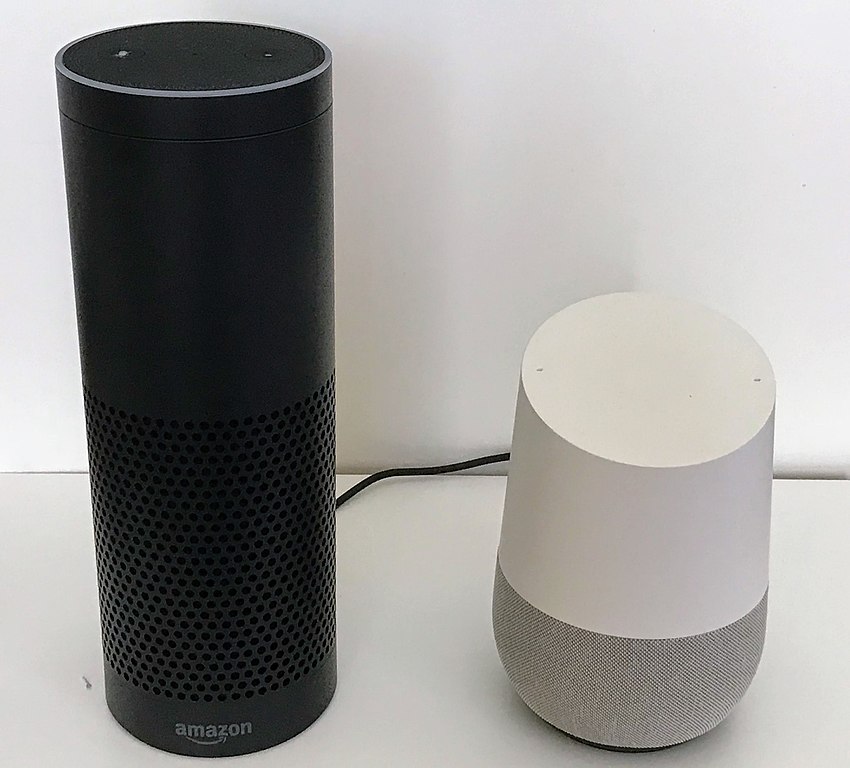
Needless to say, the convenience that smart speakers like Amazon Echo and Google Home bring to households is praiseworthy. Just the fact that people can now turn off their lights or play music around the house by simply dictating them to a digital assistant is a reason enticing enough for one to purchase a smart speaker.
However, as already proven time and again, the presence of cybersecurity threats and risks grows along with the technologies available in consumer electronics. And smart speakers are not spared from this reality.
Recently, VentureBeat reported several cybersecurity risks on smart speakers based on a study released this month by various researchers from Indiana University, the Chinese Academy of Sciences and the University of Virginia.
There are two possible methods that attackers may execute to obtain private information through malicious apps accessible on smart speakers.
For one, ill-motivated cyber actors may employ a technique dubbed “voice squatting.” To execute a massive cyber attack, hackers may start by introducing a malware-infected application with a name similar to a legitimate app.
So when a smart speaker owner dictates to it to install or activate a legitimate app, the digital assistant may be tricked or confused to instead look for the malicious app due to their very similar-sounding names.
The security researchers also identified a technique called “voice masquerading.” Attackers, basically, may trick less tech-savvy smart speaker users that they have already terminated or closed a malicious app. This is reportedly executable through two methods called the “in-communication skill switch” and “faking termination.”
In-communication skill switch has a malicious app pretending that the digital assistant has moved to activate a different app following the user’s orders. The fake termination, on the other hand, may program an app to dictate replies that may indicate it has been successfully closed. But, in both cases, the malicious apps may still be covertly running in the background.







