


 Australian PM Anthony Albanese Apologizes After Kylie Minogue Podcast Remarks Spark Backlash
  Trump Administration Proposes Repeal of 702 Federal Regulations in Major Deregulation Push
  Khamenei Funeral Draws Massive Crowds as Iran’s New Supreme Leader Remains Absent
  Burgum Defends Free Speech as Patriot Front July 4 March Sparks Debate
  Trump Marks America’s 250th Anniversary With National Mall Rally Amid Political Divide
  Israel Cabinet Rejects Supreme Court Ruling, Sparking Constitutional Crisis Fears
  Russia Strikes Kyiv as Ukraine Faces Patriot Missile Shortage Before NATO Summit
  France Battles Mediterranean Wildfires as Heatwave Fuels Fire Risk
  Russia Claims Capture of Kostiantynivka as Putin Pushes Donetsk Offensive
  Air Force Investigates Officer After Capitol Protest Calling for Trump, Vance Impeachment
  China Submarine Missile Test Sparks Concern Across Asia-Pacific
  Michigan Senate Race Narrows as Mallory McMorrow Ends Democratic Campaign
  Israeli Airstrike Kills Two in Gaza City as Ceasefire Violations and Truce Talks Persist
  US Ambassador Prioritizes Cook Islands Critical Minerals, Warns of China’s Pacific Influence
  Amy Coney Barrett Faces Conservative Backlash After Key Supreme Court Rulings Against Trump
  Iran Holds State Funeral for Ali Khamenei as Security Fears Shape Succession
  Trump Offers to Help Advance Ukraine Peace Talks in Call With Putin


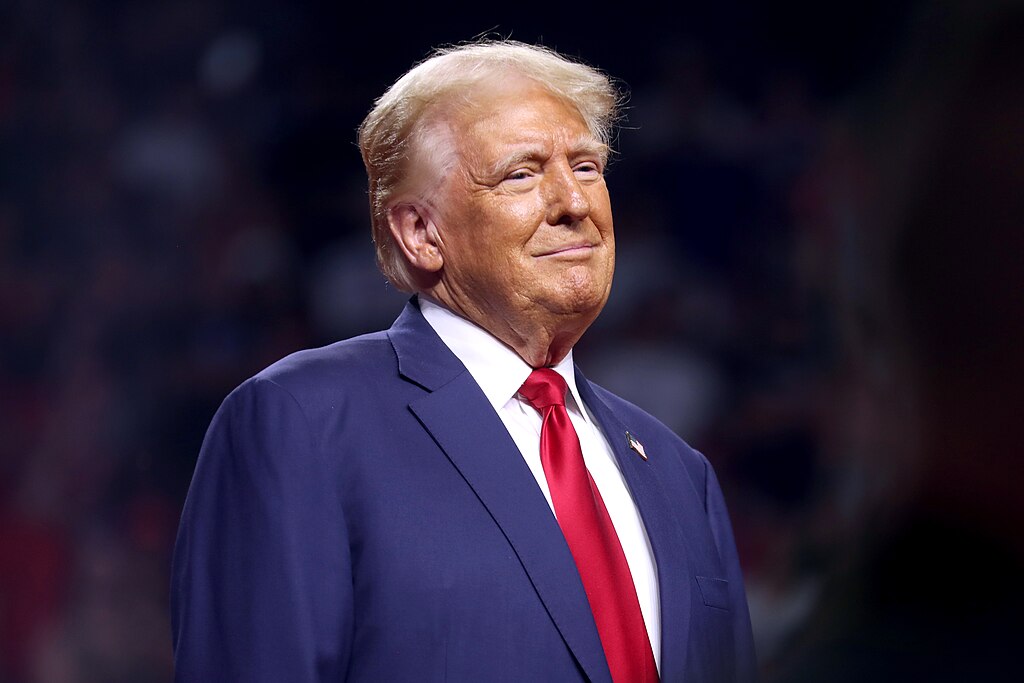
Reports indicate that former President Donald Trump’s transition team is compiling a list of U.S. military officers involved in the controversial 2021 Afghanistan withdrawal for potential courts-martial. The move, which would mark an unprecedented step in holding military leaders accountable for operational failures, has sparked a fierce debate among political and military circles.
Accountability or Political Retaliation?
According to sources close to the Trump transition team, the list includes both current and former military officers who played significant roles in the chaotic withdrawal from Afghanistan. The operation, which ended the United States’ 20-year presence in the country, has been widely criticized for its disorganized execution, including the rapid Taliban takeover and the deadly attack at Kabul airport that claimed 13 American lives.
Trump’s team reportedly sees the courts-martial as a means to restore accountability in the military hierarchy and address perceived failures in leadership. However, critics argue that the move could politicize the military and set a dangerous precedent.
Revisiting the Afghanistan Withdrawal
The 2021 withdrawal, conducted under the Biden administration, faced bipartisan scrutiny for its planning and execution. Key decisions, including the evacuation timeline, the abandonment of Bagram Airfield, and the lack of contingency plans, have been subjects of intense criticism. Military leaders at the time defended their actions as being constrained by strategic decisions made at the political level.
Trump, who has previously criticized the withdrawal, is now reportedly focusing on identifying and prosecuting military officers he deems responsible for the fiasco. The courts-martial would aim to investigate decisions leading to what many have described as a national humiliation.
Legal and Ethical Implications
Legal experts are divided on whether such courts-martial could proceed without politicizing military justice. Under the Uniform Code of Military Justice (UCMJ), officers can be court-martialed for dereliction of duty and other offenses. However, critics warn that targeting officers for decisions made within a highly politicized context could undermine the apolitical nature of the military.
“There’s a real risk that this will be seen as a political witch hunt,” said one legal analyst. “It could erode trust in the chain of command and weaken morale within the armed forces.”
Additionally, some military experts argue that the focus should be on systemic issues rather than individual accountability. “The Afghanistan withdrawal was a collective failure involving multiple administrations and agencies, not just the military,” said a retired general.
Public and Political Reaction
The proposal has drawn mixed reactions from lawmakers and the public. While some Republican lawmakers have expressed support for the idea, others caution against weaponizing military accountability. Meanwhile, Democrats have condemned the move as a political stunt designed to deflect criticism from Trump’s own role in negotiating the withdrawal agreement with the Taliban in 2020.
As the Trump transition team prepares to take office, the potential courts-martial could become a contentious issue, reigniting debates about the Afghanistan withdrawal and the role of accountability in military operations.







