


 Russian Forces Advance Toward Kostiantynivka as Fighting Intensifies in Eastern Ukraine
  U.S. Weapons Delays Raise Concerns Among European Allies Amid Iran Conflict
  FEMA Reinstates Employees After Dissent Letter, Signaling Shift in Workforce Stability
  Cuba Condemns New U.S. Sanctions, Calls Measures “Collective Punishment”
  Trump Criticizes German Chancellor Merz Over Iran War and Ukraine Policy
  Rising Tensions in US-Europe Relations Amid Trump Policies and Iran War
  Kim Jong Un Highlights Youth Role in North Korea’s Military and Political Agenda
  U.S. Fast-Tracks $8.6 Billion Arms Sales to Middle East Allies Amid Rising Tensions
  Iran Proposal on Strait of Hormuz and U.S. Blockade Faces Rejection from Trump
  US Gaza Coordination Overhaul Raises Concerns Over Ceasefire and Aid Efforts
  U.S. Military Presence in Germany Strengthens NATO Readiness and Training
  Iran-U.S. Conflict Escalation Threatens Global Oil Supply and Economic Stability
  Judge Rules Use of Military Lawyers in Civilian Prosecutions Is Lawful
  Trump Signals Possible Renewal of U.S. Strikes on Iran
  U.S. Flags Vietnam as “Priority Foreign Country” Over Intellectual Property Concerns
  Trump Expands Cuba Sanctions Targeting Key Sectors and Foreign Entities


Chinese air force activity around Taiwan has dropped significantly in recent weeks, marking an unusual pause in what had previously been near-daily military operations. According to Taiwan government data compiled by the research group Secure Taiwan Associate Corporation (STA), no Chinese military aircraft entered Taiwan’s air defense identification zone (ADIZ) during the past week. This sudden lull has raised questions among analysts about whether Beijing is adjusting its strategy toward Taipei.
So far in 2026, China has sent approximately 460 military aircraft—including fighter jets, surveillance planes, and drones—into Taiwan’s ADIZ. This figure represents a 46.5% decrease compared with the same period last year, highlighting a notable reduction in Chinese military pressure around Taiwan. In February alone, Taiwan detected 190 Chinese aircraft near the island, the lowest monthly total since the Taiwanese defense ministry began publishing detailed daily military activity data in 2022.
Taiwan views these incursions as part of Beijing’s long-running pressure campaign, designed to test Taiwan’s defenses and improve China’s military readiness for potential conflict. The exercises have often included large-scale war games and coordinated air and naval operations.
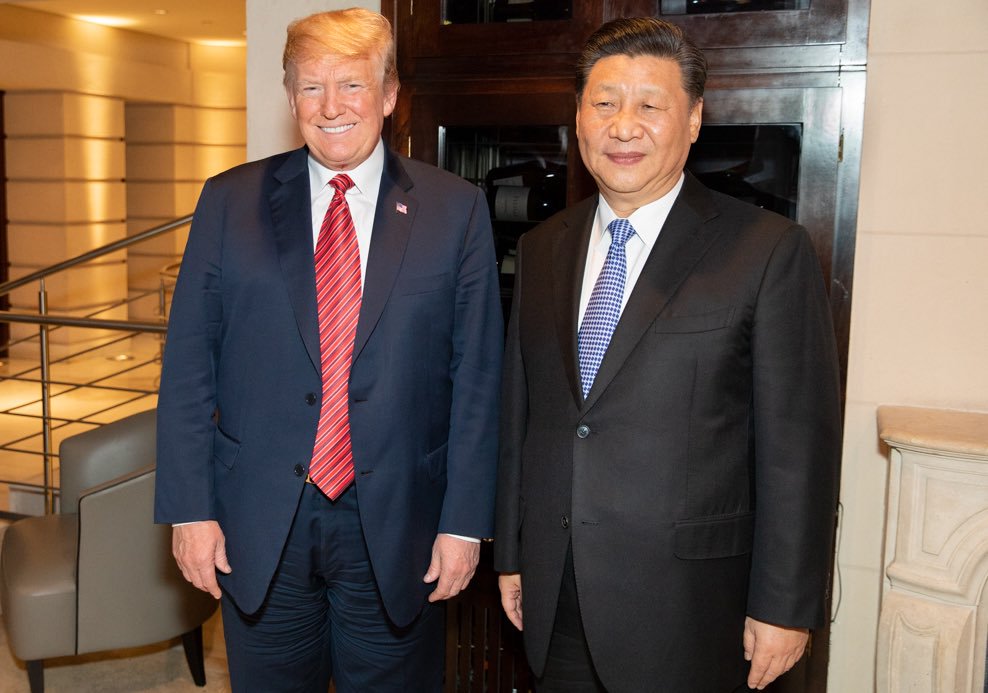
Some Taiwanese officials believe the drop in Chinese air force activity may be connected to upcoming diplomatic developments. Analysts suggest Chinese President Xi Jinping could be reducing visible military pressure ahead of a potential meeting with U.S. President Donald Trump later this month. According to a senior Taiwanese security official, Beijing may be trying to project a more peaceful image in hopes that Washington will reconsider arms sales to Taiwan.
However, other experts point to internal factors within China’s military. A sweeping anti-corruption campaign within the Chinese armed forces may be disrupting command structures and reducing operational readiness. Su Tzu-yun, a researcher at Taiwan’s Institute for National Defence and Security Research, said the military purge could be a major reason for the temporary slowdown.
Taiwanese defense officials also noted that China may be reviewing lessons from recent military drills before launching further operations. Despite the decrease in air activity, China’s navy and coast guard continue to operate near Taiwan, indicating that Beijing has only scaled back the most politically sensitive aerial maneuvers.
Security analysts caution that the pause does not signal a long-term shift in China’s stance toward Taiwan. Officials warn that Chinese military activity could resume at any time, potentially at an even larger scale as Beijing continues to refine its strategic pressure campaign in the Taiwan Strait.







