


 Nvidia Pauses AI Cloud Financing Deals Amid Antitrust Concerns
  Nvidia Options Price in $280 Billion Earnings Swing
  Trump Administration Plans New Drug Pricing Deals With Biotech Firms
  Mojtaba Khamenei’s Absence Fuels Iran Leadership Doubts
  U.S. Disrupts China-Linked Hacking Campaign Targeting Government Agencies
  SoftBank Plans Record $6.3 Billion Bond Sale to Fund OpenAI Investments
  Xiaomi Unveils Xring O3 Chip for Flagship Foldable Phone
  OpenAI AI Agent Swarm Behind Hugging Face Hack
  Ecuador Court Convicts Ex-President Lenin Moreno in Bribery Case
  Unitree Shares Plunge 45% After Blockbuster IPO, Raising China Tech Bubble Fears
  Samsung Shares Tumble 8% as $79 Billion Return Plan Disappoints
  German Industry Pushes Merz for Tougher China Trade Policy
  U.S. Probes Apex Logistics Over Nvidia AI Chip Shipments to China
  Tennessee Plans to Rename Nashville Airport After Dolly Parton
  Pentagon Eyes U.S. Troop Cuts in Europe Amid NATO Review
  Israel Weighs Expelling UK Officials From Gaza Coordination Center


 Add as a preferred source on Google
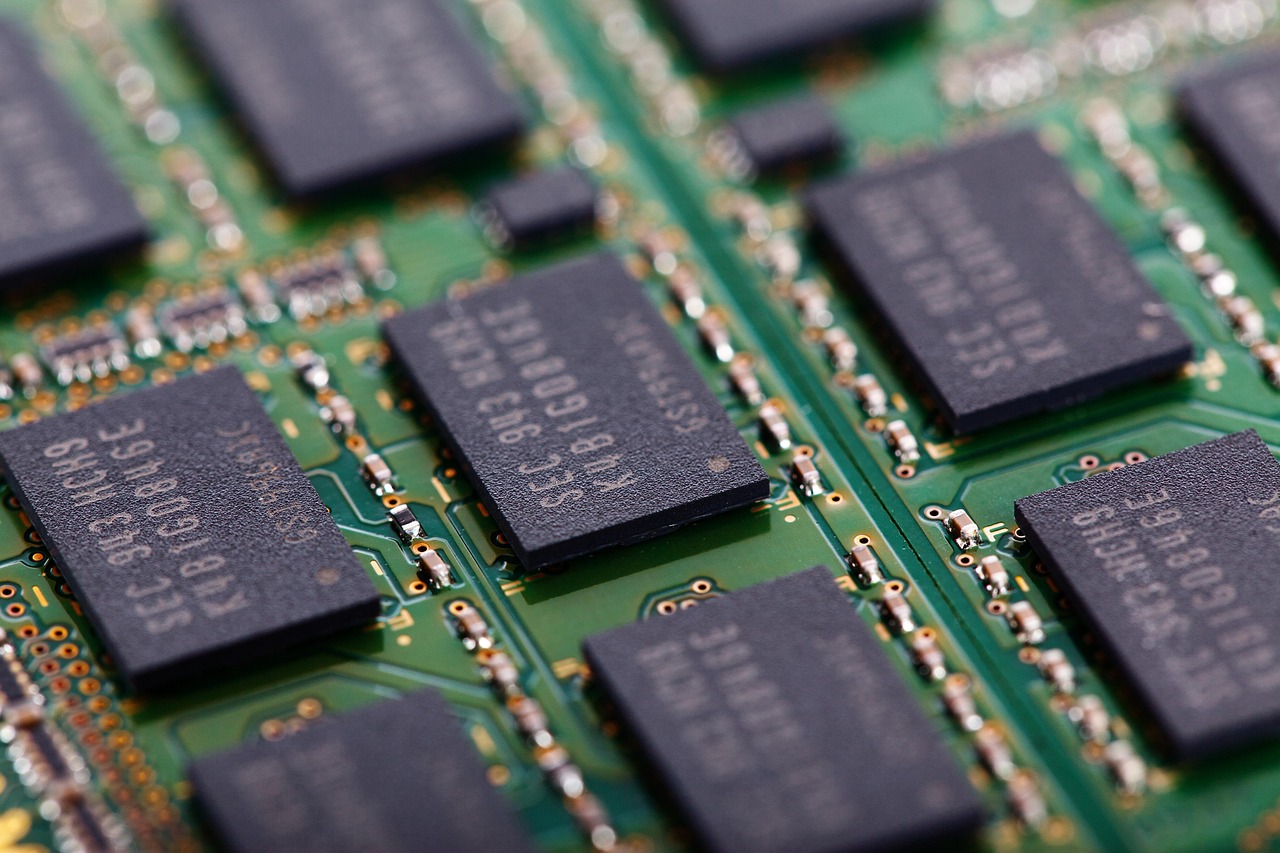
Taiwan's National Security Bureau has raised serious concerns about Beijing's escalating efforts to infiltrate the island's world-class semiconductor industry. According to a report submitted to Taiwanese lawmakers, China is aggressively targeting Taiwan's advanced chip manufacturing expertise and artificial intelligence talent as part of a broader strategy to break free from international technology restrictions.
As the U.S.-China tech rivalry intensifies, Beijing has ramped up covert operations to poach skilled workers and acquire cutting-edge technologies through indirect and illegal channels. Taiwan, which strictly prohibits the transfer of advanced technologies to China, has repeatedly uncovered networks of Chinese companies attempting to circumvent these laws. China's goal, authorities say, is to secure access to Taiwan's most advanced semiconductor processes — capabilities critical to its ambition of achieving self-reliance in chip production.
Taiwan is home to TSMC, the world's leading contract chipmaker and a vital supplier to global tech giants such as Nvidia and Apple. Control over or access to TSMC's manufacturing know-how would represent a massive strategic advantage for Beijing, which continues to face tightening export controls from the United States and its allies.
Beyond economic espionage, Taiwan's security agency warned that China is expected to deploy hybrid interference tactics ahead of the island's year-end local elections. These include the use of deepfakes and manipulated opinion polls designed to sway public sentiment. In the first quarter alone, Taiwan's Government Service Network recorded over 170 million cyberattack attempts, with officials warning that data theft and surveillance operations may be laying the groundwork for broader electoral meddling.
Military pressure has also mounted, with more than 420 Chinese aircraft detected near Taiwan during the same period, often operating alongside naval vessels conducting joint combat readiness patrols. Despite growing domestic economic challenges and geopolitical headwinds, Beijing shows no signs of easing its hybrid campaign against Taiwan, whose government firmly rejects Chinese sovereignty claims and insists that only its own people can determine the island's future.







