


 Iran-U.S. Conflict Escalation Threatens Global Oil Supply and Economic Stability
  Asian Stocks Slip as Oil Prices Surge and Fed Signals Inflation Risks
  EU Warns of Response as U.S. Considers 25% Tariffs on Car Imports
  Stock Market Update: Fed Holds Rates Steady as Tech Earnings and Geopolitical Tensions Shape Outlook
  China Factory Activity Extends Growth in April Despite Global Pressures
  Gold Prices Hold Steady as Iran War and Interest Rate Outlook Weigh on Markets
  Wall Street Surges to Record Highs Amid Strong Earnings and Economic Stability
  Oil Prices Surge Amid U.S.-Iran Tensions and Supply Disruption Fears
  Dollar Gains Slightly as Yen Volatility Continues After Japan Intervention
  Oil Prices Rise Amid Iran Conflict and Strait of Hormuz Disruption
  US Stock Futures Rise as S&P 500 and Nasdaq Hit Record Highs Amid Earnings Optimism and Iran Tensions
  Tokyo Inflation Slows Despite Energy Pressures and BOJ Policy Outlook
  Oil Prices Ease but Remain Set for Strong April Gains Amid Middle East Tensions
  US Stock Futures Mixed as Fed Holds Rates, Oil Prices Surge, and Big Tech Earnings Drive Market Moves
  Yen Weakens After Intervention Spike as Dollar Stabilizes Amid Global Tensions
  Panama Defends Port Takeover Amid U.S.-China Tensions and Canal Dispute


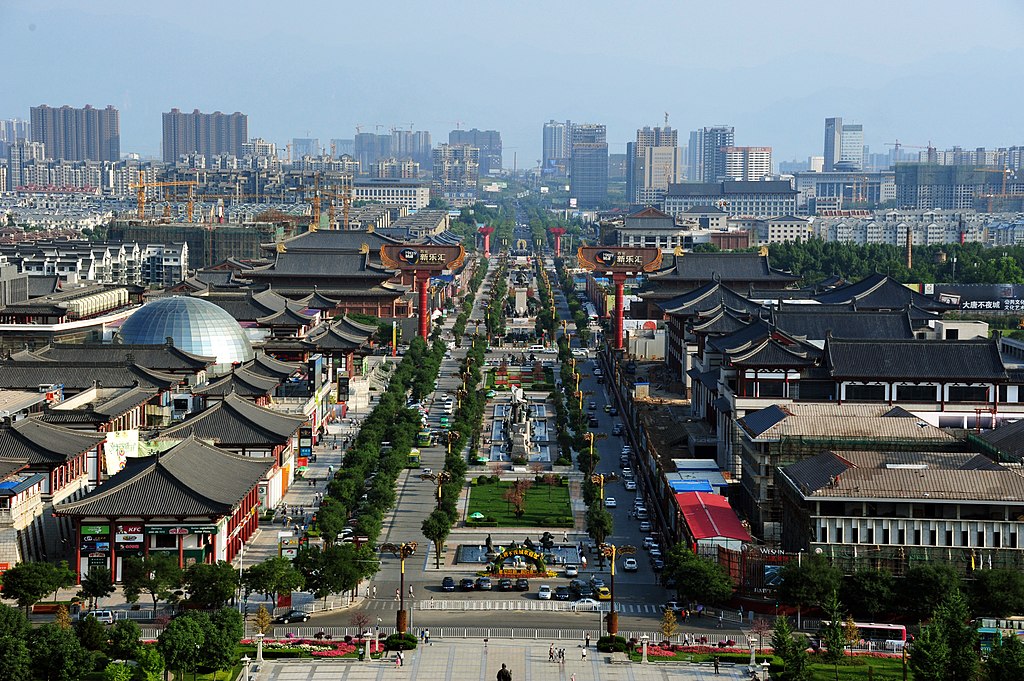
China’s mainland stock markets opened higher on Tuesday following the extended Lunar New Year holiday, supported by easing U.S. trade tariff concerns and strong consumer spending data. The Shanghai Shenzhen CSI 300 Index climbed 1% in early trading, while the Shanghai Composite Index advanced 0.8%, marking their first session since February 13.
Investor sentiment improved after the U.S. Supreme Court ruled that a significant portion of former President Donald Trump’s trade tariffs were illegal, leading to their revocation starting Tuesday. Although new tariffs were introduced under a different legal structure, the revised duties are notably lower, offering near-term relief for Chinese exporters. Export-focused stocks led gains, building on momentum seen in Hong Kong markets a day earlier.
Optimism was further fueled by robust Lunar New Year economic data. The 2026 Lunar New Year featured a nine-day official holiday, the longest on record, as Beijing extended the break and introduced additional stimulus measures to strengthen domestic demand. The holiday period, traditionally one of China’s peak spending seasons, delivered encouraging results.
According to the Ministry of Commerce, foot traffic and sales revenue in major shopping districts rose nearly 5% year-over-year. Domestic travel reached a record 5.08 billion trips since early February, while outbound tourism—particularly to Southeast Asia—also surged. These figures highlight resilient consumer spending and improving economic momentum.
Domestically focused companies are expected to benefit most from the rise in local consumption, while export-oriented firms gain support from reduced trade tensions. Analysts are now closely watching upcoming economic data for February and March to assess the full impact of holiday spending and policy stimulus on China’s broader economic growth outlook.
With improving trade conditions and strong seasonal demand, China’s stock market outlook appears increasingly supported in the near term.







