


 US Revises UN Resolution on Iran Strait of Hormuz Attacks Amid Russia-China Opposition
  White House Withdraws Trump’s National Park Service Nominee Amid Criticism
  Mexico President Claudia Sheinbaum Reconsiders Early School Closure Plan Ahead of 2026 World Cup
  US Sanctions Target Iran’s Shadow Banking Network and Terror Financing
  Trump Says U.S. Navy Destroyers Passed Strait of Hormuz Under Iranian Fire
  Trump-Xi Beijing Summit to Focus on Trade, Taiwan, and Boeing Deal
  US Adds European Union to Section 301 Watchlist Amid Trade Concerns
  Ukraine-Russia Ceasefire Confirmed as Prisoner Swap Deal Advances
  FEMA Reinstates Employees After Dissent Letter, Signaling Shift in Workforce Stability
  Trump Invites Top CEOs Including Nvidia, Apple, Boeing to China Summit With Xi Jinping
  U.S., South Korea Launch Shipbuilding Partnership Initiative
  CDC Monitors U.S. Travelers After Hantavirus Outbreak on Luxury Cruise Ship
  Trump Reportedly Approves Plan to Remove FDA Commissioner Marty Makary Amid Growing Controversies
  Judge Delays SEC Settlement With Elon Musk Over Twitter Stock Disclosure Case
  Rubio Presses Italy Over Iran Support as Tensions Test U.S.-Italy Alliance
  China Banks Halt New Loans to Sanctioned Refineries Amid U.S.-Iran Oil Crackdown
  U.S. Sanctions Former DR Congo President Joseph Kabila Over Rebel Support


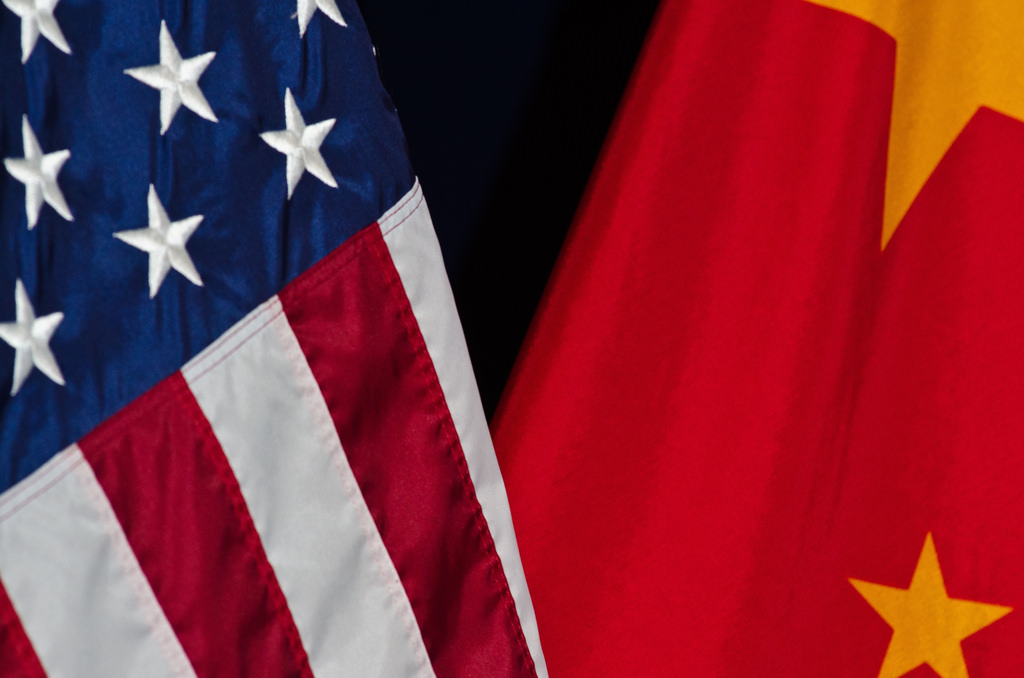
BEIJING — China has announced sanctions targeting several U.S. lawmakers, government officials, and heads of non-governmental organizations in retaliation for what it described as “egregious behavior” concerning Hong Kong. The move follows Washington’s decision last month to sanction six Chinese and Hong Kong officials over alleged human rights violations and undermining Hong Kong’s autonomy.
According to China’s Ministry of Foreign Affairs, the countermeasures are a direct response to U.S. interference in what Beijing considers its internal affairs. Spokesperson Guo Jiakun condemned the U.S. actions, calling them a violation of international norms and a threat to China's sovereignty.
"Any wrong action taken by the U.S. side on the Hong Kong-related issue will be met with resolute and reciprocal counteraction by the Chinese side," Guo stated during a press briefing on Monday. While the exact list of sanctioned individuals was not disclosed, the ministry emphasized that the move is intended to defend China’s interests and deter further foreign intervention in Hong Kong.
This latest escalation adds tension to the already strained U.S.-China relations, with previous clashes over trade, technology, Taiwan, and the South China Sea. Both nations have used sanctions in recent years as a diplomatic tool to express disapproval and influence policy decisions.
Analysts say the tit-for-tat actions highlight the deepening divide between the two global powers and pose challenges for future dialogue. As Washington and Beijing continue to clash over political values and regional influence, Hong Kong remains a flashpoint in their ongoing geopolitical rivalry.
The sanctions are expected to further complicate bilateral relations, with potential spillover effects in areas such as investment, travel, and multilateral cooperation.







