


 Germany Rejects Putin’s Proposal for Schroeder to Mediate Ukraine Peace Talks
  Qatar LNG Tanker Crosses Strait of Hormuz Amid Iran War Tensions
  China Banks Halt New Loans to Sanctioned Refineries Amid U.S.-Iran Oil Crackdown
  S&P 500, Nasdaq Hit Record Highs as AI Stocks Rally and Strong Jobs Data Boost Confidence
  Trump Signals Possible U.S.-Iran Peace Deal as Markets Rally on Hopes of War Ending
  Dominican Republic Halts GoldQuest Mining Project Amid Environmental Protests
  Rubio Approves $25.8 Billion Weapons Sale to Middle East Allies
  U.S. Fast-Tracks $8.6 Billion Arms Sales to Middle East Allies Amid Rising Tensions
  Iran-U.S. Peace Deal Near as Oil Prices Fall and Nuclear Disputes Persist
  Japan Tech Stocks Surge as AI Optimism Lifts SoftBank, Chipmakers
  Trump Invites Top CEOs Including Nvidia, Apple, Boeing to China Summit With Xi Jinping
  Judge Rules DOGE Humanities Grant Cuts Unconstitutional
  US Sanctions Target Iran’s Shadow Banking Network and Terror Financing
  Judge Rules Use of Military Lawyers in Civilian Prosecutions Is Lawful
  Israeli Strikes in Gaza Kill Three as Ceasefire Tensions Continue
  Russia Accuses Ukraine of Ceasefire Violations Amid Drone and Artillery Attacks
  Australia Launches Public Hearings on Bondi Beach Shooting and Rising Antisemitism


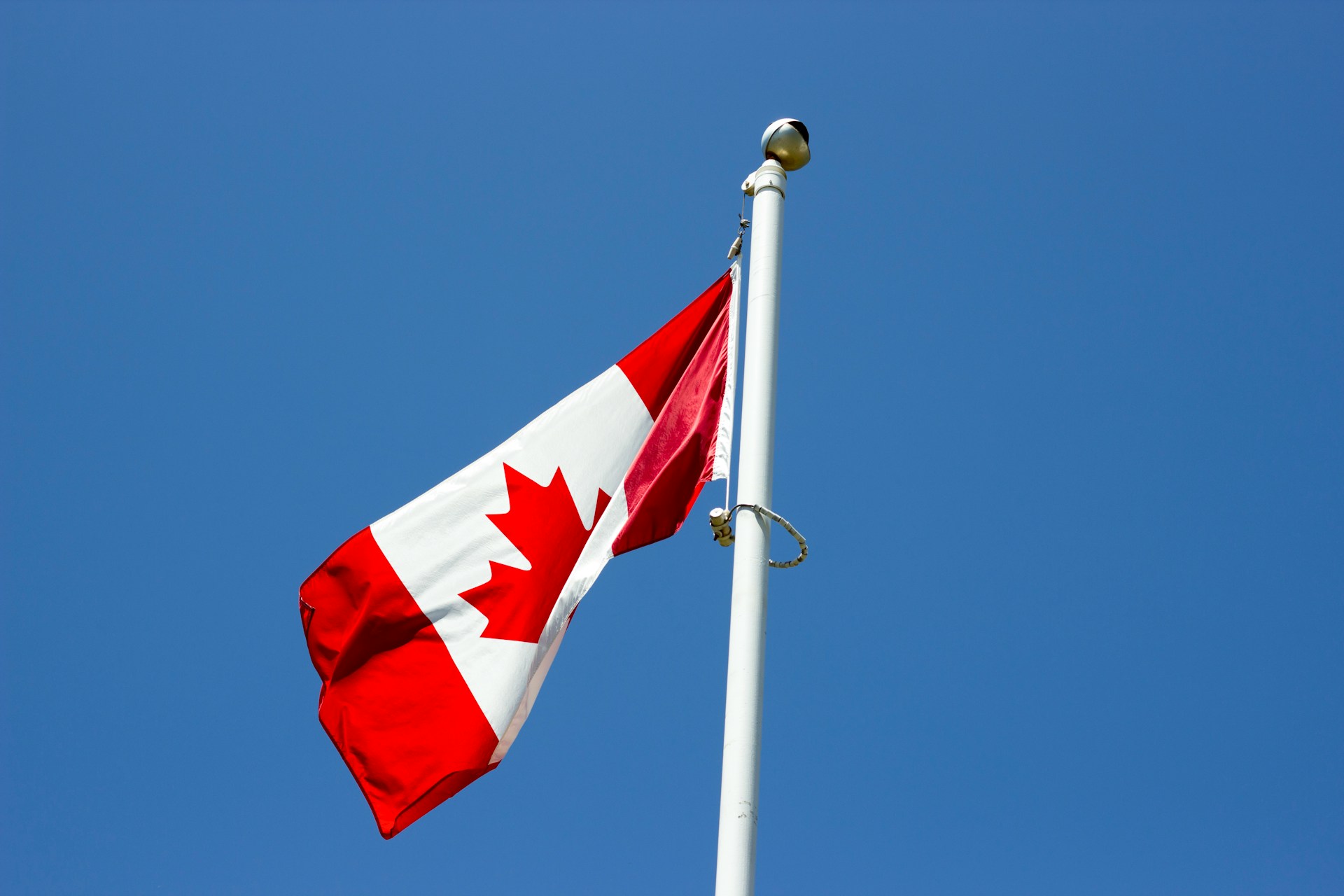
Canada’s Finance Minister François-Philippe Champagne has directed all federal ministries to identify long-term savings, reduce program spending, and reallocate funds toward key national priorities. In a joint letter with Treasury Board President Shafqat Ali, Champagne emphasized the need for financial discipline amid growing fiscal pressures.
The move aligns with Prime Minister Mark Carney’s dual goals of launching large-scale infrastructure and defense investments while also committing to a balanced operating budget by 2028-29. However, economists remain skeptical, warning that without significant cost reductions or a surge in economic growth, Canada may face persistently high deficits.
According to a senior government official, ministries have been asked to reassess their budgets, evaluate program effectiveness, and eliminate overlapping efforts with provincial and municipal governments. Departments must also identify their top three priorities and shift resources from lower-impact programs to fund these core initiatives.
The fiscal directive includes specific annual reduction targets: 7.5% cuts in 2026-27, 10% in 2027-28, and 15% in 2028-29. These measures are aimed at reshaping government operations to ensure more efficient spending while supporting strategic investments.
The finance ministry is currently preparing its fall budget, expected in early October. While no official comments have been issued yet, the move signals a shift toward leaner government operations amid rising public spending and economic uncertainty.
Originally reported by The Globe and Mail, the internal push reflects a growing urgency within Canada’s federal leadership to rein in costs while sustaining long-term investment in key sectors such as housing, infrastructure, and national defense.
This budget-tightening initiative highlights Ottawa’s commitment to fiscal responsibility and efficient governance, setting the stage for a critical fall budget announcement.







