


 FEMA Reinstates Employees After Dissent Letter, Signaling Shift in Workforce Stability
  BHP Attracts AI-Focused Investors as Copper Demand Surges
  Arm Stock Drops Despite Strong AI Chip Demand and Earnings Beat
  Dell Stock Hits Record High After Trump Endorsement, AI Server Demand Fuels Rally
  Rubio Approves $25.8 Billion Weapons Sale to Middle East Allies
  BMW Keeps 2026 Outlook Despite 25% Profit Drop Amid Tariff Pressure
  Federal and State Authorities Conduct Widespread Fraud Raids Across Minnesota
  Broadcom Eyes $35 Billion AI Chip Financing Deal With Apollo and Blackstone
  Trump Expands Cuba Sanctions Targeting Key Sectors and Foreign Entities
  Brazil Pension Fund Crackdown After Banco Master Collapse Raises Investment Concerns
  Philips Reaffirms 2026 Outlook After Strong Q1 Sales and Margin Beat
  AI-Driven Inflation Raises U.S. Consumer Prices, Goldman Sachs Says
  Senate Stablecoin Bill Sparks Clash Between Banks and Crypto Industry
  Dominican Republic Halts GoldQuest Mining Project Amid Environmental Protests
  Israel Expands Gaza Restricted Zones, Raising Concerns for Civilians and Aid Access
  Lufthansa Q1 Loss Narrows as Strong Summer Travel Demand Boosts Outlook
  Trump Administration Dismisses Entire National Science Board, Sparking Debate Over Scientific Independence


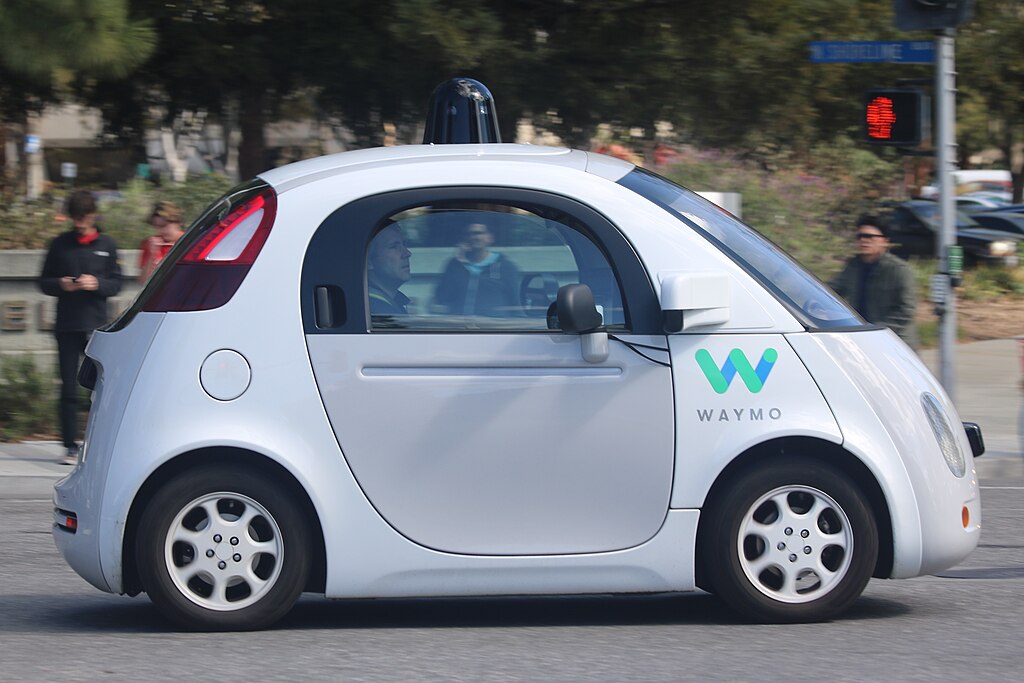
The California Department of Motor Vehicles (DMV) is taking a significant step toward strengthening the safety framework for autonomous vehicles by working closely with self-driving car manufacturers on expanded operational plans, with a strong emphasis on emergency response protocols. This move comes as autonomous vehicle deployment continues to grow across California, particularly in major cities like San Francisco.
The DMV announced on Friday that it is drafting new regulations aimed at improving oversight of remote drivers and remote assistants who support autonomous vehicle operations. Under the proposed rules, manufacturers will be required to ensure that these remote operators meet strict standards for safety, accountability, and responsiveness. The goal is to guarantee that human support systems behind autonomous vehicles are capable of reacting effectively during unexpected or high-risk situations.
This regulatory initiative follows a series of recent incidents involving Alphabet-owned Waymo robotaxis. During a widespread power outage in San Francisco, several Waymo autonomous vehicles reportedly stalled at intersections where traffic lights were not functioning. As the vehicles were unable to safely navigate intersections without operational signals, they stopped in place, leading to traffic congestion and disruptions for other road users.
The incidents raised broader concerns about how autonomous vehicles handle emergency scenarios, including power outages, infrastructure failures, and complex urban traffic conditions. While the vehicles are designed to prioritize safety, the inability to adapt smoothly during such events highlighted gaps in current operational planning and emergency response coordination.
By introducing clearer requirements for remote vehicle support, the California DMV aims to reduce risks associated with autonomous driving technology and ensure public safety remains a top priority. The proposed regulations are expected to require manufacturers to demonstrate that remote operators can intervene promptly, communicate effectively with emergency responders, and make real-time decisions when autonomous systems encounter limitations.
As California continues to lead the nation in autonomous vehicle regulation, these new rules signal a push toward greater accountability and preparedness. For autonomous vehicle companies, compliance will likely mean enhanced training, improved monitoring systems, and closer collaboration with state regulators. For the public, the changes are intended to build trust and confidence in the evolving self-driving car ecosystem while addressing real-world safety challenges.







