


 ECB May Stop Rate Hikes After December, Capital Economics Says
  Fed’s Williams Signals One More Rate Hike Before Year-End
  Oil Prices Slide as Middle East Flows Recover
  Central Banks Could Buy 20,000 Tonnes of Gold: BofA
  US Stocks Slip as Treasury Yields Ease, AI Trade Rebounds
  Asian Stocks Rise as Bond Yields Ease Ahead of U.S. Inflation Data
  Trump Eyes $54 Billion South Korean Investment in Alaska LNG
  Asian Stocks Fall as Bond Yields and Oil Prices Surge
  BOJ Flags Import Costs and Yen Shocks as Persistent Inflation Risks
  Gold Steady as Softer U.S. Inflation Eases Fed Rate Hike Bets
  Oil Prices Steady as Middle East Crude Flows Recover
  RBA Hikes Interest Rate to 4.60% as Inflation Risks Rise
  BlackRock’s Rick Rieder Favors Bonds Over Stocks as Treasury Yields Surge


 Add as a preferred source on Google
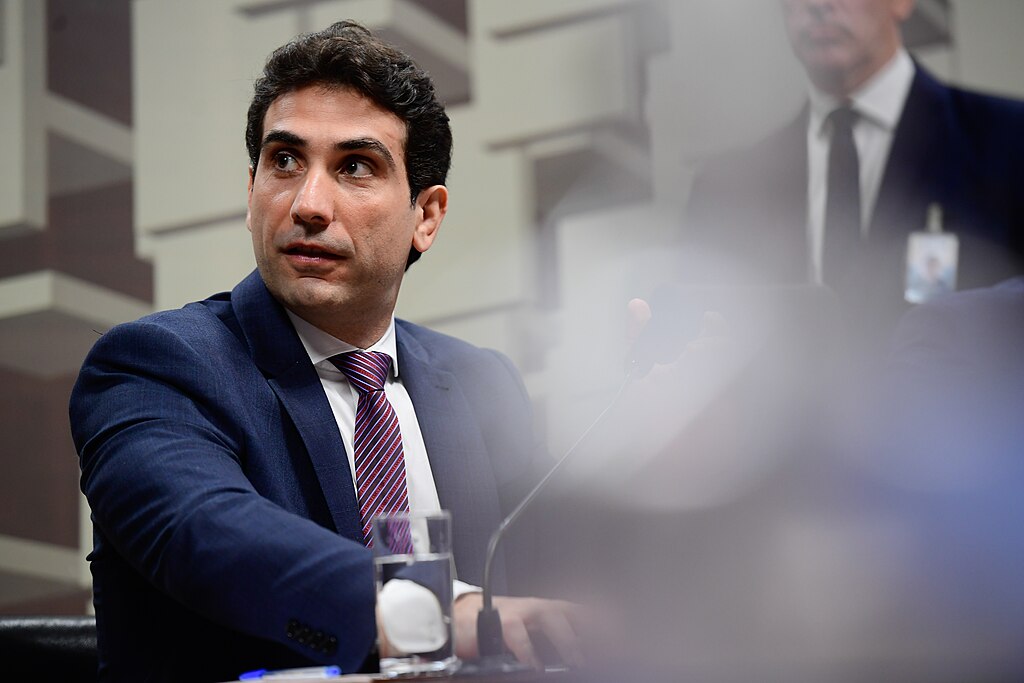
Brazil’s central bank is signaling a data-driven and flexible approach to its upcoming interest rate decision, according to Governor Gabriel Galipolo. Speaking at an Esfera Brasil event on Saturday, Galipolo emphasized that “flexibility” and “caution” will guide the bank’s monetary policy as it prepares for its next rate-setting meeting on June 17–18.
Galipolo stated the central bank would keep its policy options open and base its decisions on the latest economic indicators. “Flexibility means we will enter our next meeting digesting the data,” he said, underlining a cautious stance amid economic uncertainty.
The comments come as Brazil continues to grapple with persistent inflation. In May, the central bank raised its benchmark Selic rate by 50 basis points to 14.75%, marking the sixth consecutive rate hike. This move pushed borrowing costs to their highest level in nearly two decades, underscoring the aggressive policy tightening aimed at stabilizing prices.
The central bank’s inflation-fighting measures have faced scrutiny as high interest rates weigh on consumer spending and investment. However, Galipolo’s remarks suggest the bank is not committing to a preset course and will remain responsive to shifting economic conditions.
Market analysts are closely watching upcoming inflation and employment data for signs of whether the central bank might pause or continue tightening in June. The balance between controlling inflation and supporting economic growth remains delicate, and Galipolo’s emphasis on adaptability reinforces a pragmatic policy outlook.
As Brazil navigates economic challenges, the central bank’s June decision will be a key moment for investors and economists seeking clarity on the country’s monetary trajectory. With inflation still sticky and borrowing costs surging, policymakers face tough choices in the weeks ahead.







