


 Asian Currencies Steady Ahead of Warsh Speech
  Tennessee Plans to Rename Nashville Airport After Dolly Parton
  Pentagon Eyes 100-Year Lease on Venezuela Oil Fields
  Fed Chair Warsh Faces Key Jackson Hole Test
  Qatar Pushes Iran Diplomacy as Trump Rules Out Talks
  Oil Prices Jump as U.S.-Iran Tensions Threaten Hormuz Supply
  Japan Industrial Output, Retail Sales Beat Forecasts in July
  Asian Stocks Mixed as KOSPI Falls Ahead of Fed Speech
  Bessent Defends US Yen Intervention Over Treasury Market Risks
  Iceland Counts Votes in Close EU Membership Talks Referendum
  Nepal Declines Foreign Rescue Aid After Deadly Flash Flood
  US Treasury Plans Weekly Iran Sanctions Push
  Iran Weighs Conditions to Reopen Strait of Hormuz
  South Korea, Japan and US Plan Joint Military Drills
  Tokyo Inflation Rises in August as BOJ Rate Hike Bets Grow
  Iran’s Khamenei Urges Muslim, Gulf Unity Against ‘Real Enemy’
  UN Criticizes US Terror Label for Palestine Action


 Add as a preferred source on Google
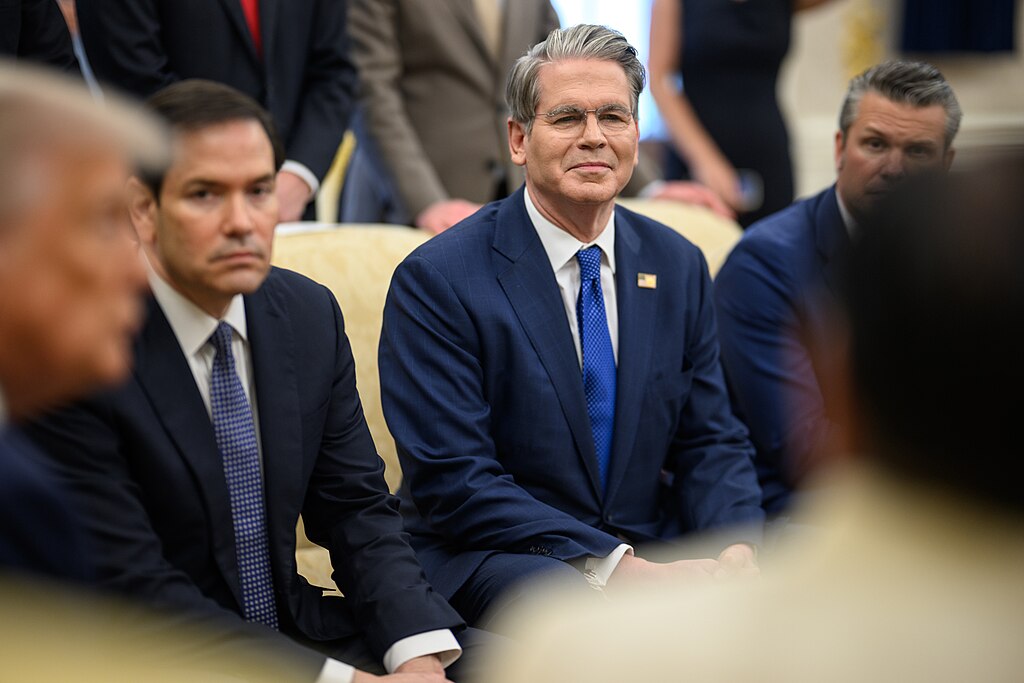
U.S. Treasury Secretary Scott Bessent is calling on G20 countries to reassess their trade relationships with China, arguing that Beijing’s export-heavy economic model is contributing to widening global imbalances.
Speaking to Reuters on Sunday ahead of a meeting of G20 finance leaders, Bessent said China needs to shift its economy away from dependence on exports and toward stronger domestic consumption. He warned that the country’s growing trade surplus cannot be sustained indefinitely.
“The world cannot have a China with a $1.2 trillion trade surplus,” Bessent said. He added that China’s economy remains relatively weak, prompting Beijing to rely heavily on overseas sales to support growth.
According to Bessent, the United States has already reduced its exposure to many Chinese imports through steep tariffs and restrictions on certain products. Chinese automobiles are among the goods facing significant barriers in the U.S. market.
Those measures have contributed to what Bessent described as a “rapidly improving” U.S. trade position with China. However, they have also encouraged Chinese exporters to redirect more goods toward other markets, particularly Europe and Latin America.
Bessent said this shift means other major economies may need to reconsider the conditions under which they trade with Beijing. Such action, he argued, could provide China with greater incentives to stimulate domestic demand instead of relying on exports to offset economic weakness.
“The rest of the world is going to have to examine their terms of trade with China,” Bessent said.
His comments signal that China’s trade surplus and export policies are likely to feature prominently in discussions among G20 finance officials. Washington has increasingly raised concerns about Chinese industrial overcapacity and the impact of low-cost exports on manufacturers in other economies.
Bessent’s message also broadens the U.S.-China trade debate beyond Washington and Beijing, putting greater emphasis on how Europe, Latin America and other G20 economies respond to rising Chinese exports.
The Treasury secretary is expected to use the G20 meeting to encourage coordinated scrutiny of global trade imbalances while pressing China to pursue an economic model driven more heavily by household consumption and domestic demand.







