


 Qatar PM Heads to Tehran to Revive Iran-US Diplomacy
  Dan J. Sullivan Advances in Alaska Senate Race, Setting Up Name Confusion
  U.S. Probes Apex Logistics Over Nvidia AI Chip Shipments to China
  ICE Awards $16.7M Contract for Electric Shock Gloves
  German Industry Pushes Merz for Tougher China Trade Policy
  34 Australians Missing After Deadly Nepal Floods
  Australia Pledges $3.6M for Nepal-China Flood Relief
  Iran Weighs Conditions to Reopen Strait of Hormuz
  CIA Director John Ratcliffe Visits Moscow for Talks With Russian Officials
  U.S. Caribbean Vessel Strike Kills Four in Latest Anti-Drug Operation
  Israel Weighs Expelling UK Officials From Gaza Coordination Center
  South Korea, Japan and US Plan Joint Military Drills
  Prince Harry and Meghan Return to Britain With Children After Six Years in U.S.
  Trump Floats ‘Lake America’ Rename as US-Canada Trade Tensions Deepen
  CIA Chief Ratcliffe Holds Talks With Russian Intelligence in Moscow
  Trump Administration Plans New Drug Pricing Deals With Biotech Firms
  Mojtaba Khamenei’s Absence Fuels Iran Leadership Doubts


 Add as a preferred source on Google
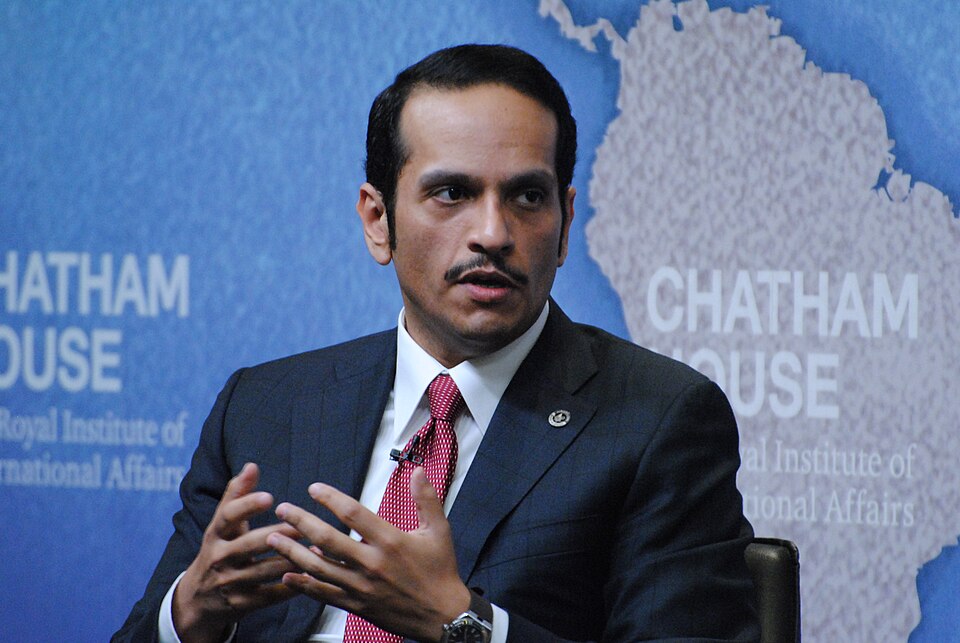
Qatar’s prime minister visited Tehran on Thursday in a renewed effort to revive diplomacy over the Iran conflict, even as U.S. President Donald Trump said Washington was not currently interested in negotiations with Tehran.
“We don’t want to speak to them. We’re not looking to meet or anything,” Trump told reporters at the White House. His comments came as Washington pledged to maintain economic pressure on Iran until Tehran shows willingness to negotiate meaningfully.
Major fighting has been paused for several weeks, but efforts to secure a broader peace agreement and reopen the Strait of Hormuz remain stalled. Six months after U.S. and Israeli forces attacked Iran, Tehran continues to face severe economic pressure while maintaining control and showing limited urgency to negotiate.
In Tehran, Qatari Prime Minister Sheikh Mohammed bin Abdulrahman Al Thani met Iran’s top negotiator Mohammad Baqer Qalibaf and called for renewed diplomacy. Iranian officials, meanwhile, urged neighboring countries not to allow their territory to be used for U.S. military or economic actions against Iran.
Mohsen Rezaei, secretary of Iran’s Supreme National Security Council, warned that Tehran could target U.S. military and economic interests if Washington took further hostile action. He said the United States must meet Iranian conditions before the Strait of Hormuz can reopen, including lifting the blockade on Iranian ports, removing sanctions and providing compensation.
The strategic waterway remains a major obstacle to diplomacy. Before the war, roughly one-fifth of global energy supplies passed through the Strait of Hormuz. Iran has sought greater control over shipping and proposed charging authorized vessels, while Washington insists the route must remain an open international waterway.
Qatar said discussions also covered a temporary Iranian-Omani shipping corridor and a joint mine-clearing initiative. Iran and Oman have agreed in principle on managing maritime traffic, although details remain unresolved.
White House press secretary Karoline Leavitt confirmed that no U.S.-Iran negotiations are currently taking place and said Trump continues to keep “all options on the table.”
Iran still possesses missile and drone capabilities capable of threatening Gulf states hosting U.S. forces and disrupting Hormuz shipping. The International Maritime Organization has recorded 70 incidents in the strait since February 28, killing 19 seafarers.







