


 34 Australians Missing After Deadly Nepal Floods
  Pentagon Eyes U.S. Troop Cuts in Europe Amid NATO Review
  US Military Uses Laser to Shoot Down Cartel Drones at Mexico Border
  Iran Weighs Conditions to Reopen Strait of Hormuz
  German Industry Pushes Merz for Tougher China Trade Policy
  European Allies Seek to Reassure Pentagon as US Reviews Troop Presence
  Ecuador Court Convicts Ex-President Lenin Moreno in Bribery Case
  U.S. Probes Apex Logistics Over Nvidia AI Chip Shipments to China
  Tennessee Plans to Rename Nashville Airport After Dolly Parton
  King Haakon VIII Honors Late Father Harald in First Address
  UN Criticizes US Terror Label for Palestine Action
  Nepal Declines Foreign Rescue Aid After Deadly Flash Flood
  Judge Rejects Minnesota Bid to Force ICE Agent Extradition
  U.S. Disrupts China-Linked Hacking Campaign Targeting Government Agencies
  Israel Weighs Expelling UK Officials From Gaza Coordination Center
  Carney’s Trump Tariff Pushback Wins Canadian Support, but Economic Risks Mount
  South Korea Leveraged Chip ETF Trading Plunges After New Rules


 Add as a preferred source on Google
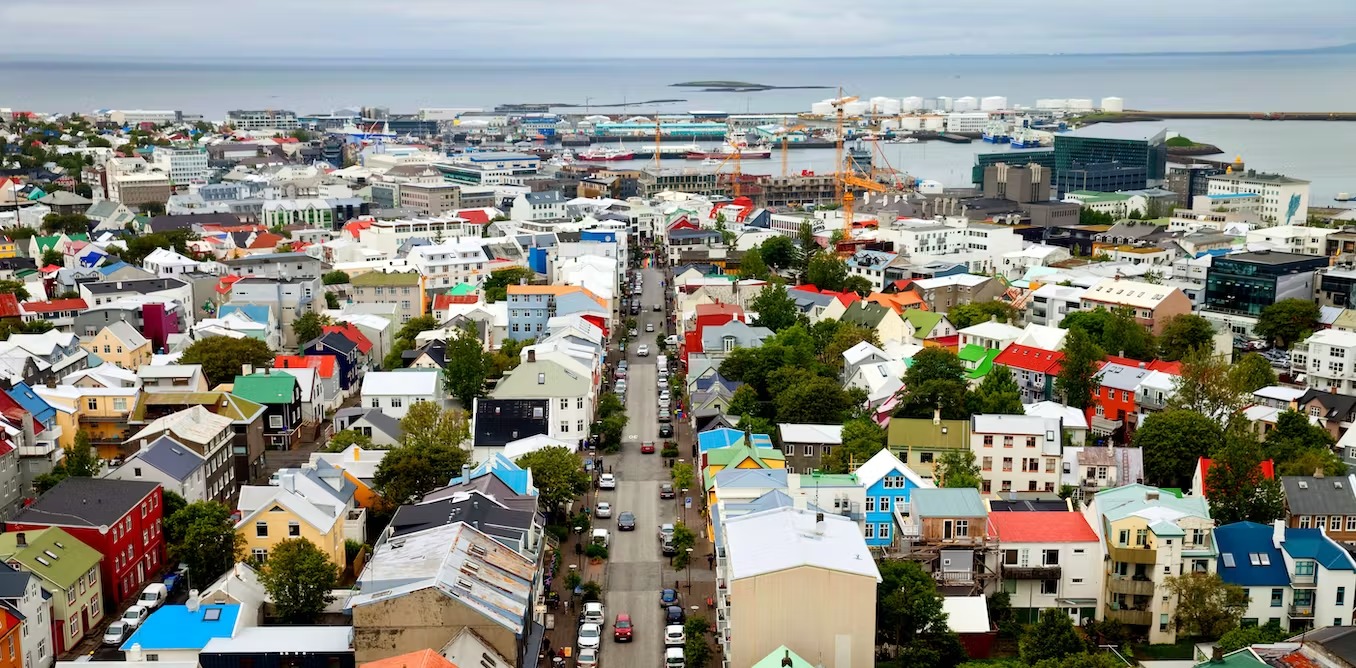
Iceland began counting ballots late Saturday after voters took part in a closely contested referendum on whether the country should reopen European Union membership negotiations, reviving a decades-long debate over sovereignty, economic stability and fishing rights.
Polling stations closed at 10 p.m. local time, after which ballots from towns and remote communities were transported by plane, boat and car for counting. Election officials said a reliable result may not emerge until around midday Sunday.
A Gallup poll released Friday indicated a narrow majority opposed restarting EU accession talks, reversing earlier surveys that had shown a slight advantage for the “yes” campaign.
Supporters of renewed negotiations argue that closer integration with the European Union could help Iceland address high borrowing costs and strengthen its security amid geopolitical uncertainty, including the war in Ukraine and U.S. President Donald Trump’s threats involving Greenland. Opponents warn that EU membership could weaken Icelandic sovereignty and threaten control over its economically important fishing waters.
Prime Minister Kristrun Frostadottir said the referendum had intensified discussion about Iceland’s future and its relationship with Europe. Her government would continue its work regardless of the result, she said after voting in Reykjavik.
A victory for the “yes” side would only authorize Iceland to restart negotiations with Brussels. Any final decision to join the EU would require another referendum, potentially several years later.
Iceland originally applied for EU membership in 2009 following the global financial crisis but suspended accession talks in 2013 after a Eurosceptic government took power.
Economic concerns have dominated the latest campaign. Iceland has struggled with elevated inflation and expensive mortgages, while its central bank interest rate stands at 8%, compared with 2.25% at the European Central Bank. EU supporters argue eventual euro adoption could help reduce borrowing costs, while opponents say Iceland must solve its economic challenges domestically.
Fisheries remain one of the most contentious issues. Critics fear EU quota rules could eventually undermine Iceland’s control over its waters despite assurances that historical fishing patterns could protect its interests.
According to a foreign ministry memo, accession negotiations could begin by the end of 2026 and last 18 to 24 months if voters approve reopening talks.







