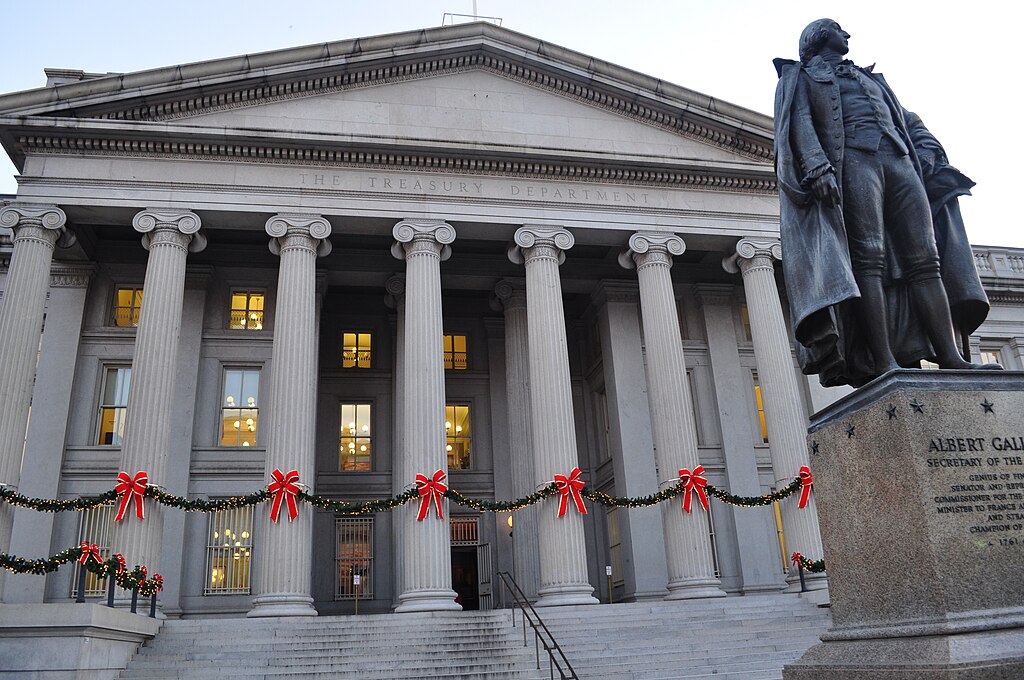
The U.S. Treasury Department is preparing to roll out new secondary sanctions against Iran on a weekly basis as Washington seeks to intensify economic pressure on Tehran, Treasury Secretary Scott Bessent told Reuters on Sunday.
The campaign is expected to initially target banks and other financial institutions that maintain ties with Iran. Bessent said the Treasury could eventually take stronger action by completely cutting offending institutions off from the U.S. dollar-based financial system.
“You’re going to see a lot more of these every week,” Bessent said ahead of a Group of 20 finance leaders meeting. “We’re starting with the banks, and we’re telling the banks it’s not okay to have Iranian money and to aid the regime.”
His comments came after the Treasury imposed penalties on the United Arab Emirates branches of Egypt’s Banque Misr on Friday. U.S. authorities alleged that the bank’s UAE operations had financial connections to Iran, making the action part of Washington’s broader effort to restrict Tehran’s access to international financial networks.
Bessent indicated that the latest measures are only the beginning of a wider sanctions campaign. Secondary sanctions can affect foreign companies and financial institutions that conduct business with sanctioned Iranian entities, potentially restricting their access to the U.S. financial system even when they are not based in the United States.
The Treasury secretary also plans to use the G20 finance leaders meeting to urge finance ministers and central bank governors to reduce their countries’ economic exposure to Iran.
According to Bessent, governments and financial institutions will face a clear choice: scale back economic relationships with Tehran or risk becoming targets of U.S. secondary sanctions.
The planned weekly measures could further isolate Iran from global banking channels and increase pressure on foreign institutions to review transactions involving Iranian funds. The strategy underscores Washington’s growing reliance on financial sanctions and access to the dollar system as tools to pressure Tehran and discourage international businesses from supporting the Iranian government.