


 RBA Hikes Interest Rate to 4.60% as Inflation Risks Rise
  Fed Unveils Stablecoin Rules Under GENIUS Act
  XRP Price Targets $1.70 as Bullish Momentum Builds
  US Stocks Slip as Treasury Yields Ease, AI Trade Rebounds
  Yen Sinks as BOJ Rate Hike Fails to Impress Markets
  Fed’s Hammack Says Bond Yield Surge Is Not Driven by Inflation Fears
  Asian Stocks Rise as Bond Yields Ease Ahead of U.S. Inflation Data
  RBI Uses $10 Billion Currency Swaps to Drain Excess Rupee Liquidity
  BOJ Raises Interest Rate to 31-Year High as Yen Weakens
  Asian Currencies Weaken as Dollar, Oil Prices Rise
  Fed’s Williams Signals One More Rate Hike Before Year-End


 Add as a preferred source on Google
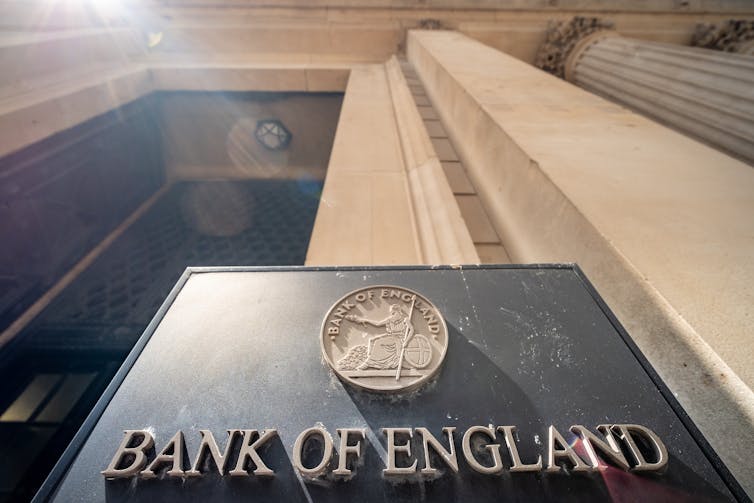
The Bank of England (BoE) is expected to keep interest rates steady at 4.25% on Thursday, as policymakers assess weakening inflation and economic signals alongside rising energy costs from the Israel-Iran conflict. British inflation eased slightly in May after a sharp rise in April, with services price growth — a key BoE concern — slowing notably. Wage growth also decelerated, and labor market data showed signs of softening.
April’s economic output contracted the most since 2023, partly due to the end of a home sales tax break and U.S. President Donald Trump’s new trade tariffs. Despite these factors, BoE Governor Andrew Bailey and his Monetary Policy Committee (MPC) remain cautious about rate cuts. Oil prices have surged 8.5% within a week due to Middle East tensions, adding inflationary pressure.
A Reuters poll shows a likely 7-2 MPC vote in favor of holding rates. Most economists expect the next 25-basis-point rate cut in August, with a further drop to 3.75% by year-end. In May, the MPC narrowly voted to cut rates, revealing divisions over the pace of monetary easing.
The BoE has matched the U.S. Federal Reserve in rate cuts since mid-2024, although it trails the European Central Bank, which recently reduced rates after eurozone inflation hit its 2% target. UK interest rates are forecasted to fall more quickly than in the eurozone but similarly to the U.S., as both central banks weigh inflation risks from tariffs and oil prices.
Analysts warn the BoE may struggle to balance growth concerns with inflation, especially amid geopolitical uncertainty. However, a recent UK-U.S. tariff deal may help cushion the economic impact. The BoE continues to signal a gradual, data-driven approach.







