


 RBA Set for September Rate Hike as Inflation Stays High
  US Dollar Hits Two-Month High as Aussie, Pound Slide
  Asian Currencies Mixed as Yen Weakens, RBA Hike Looms
  Bitcoin Slides Below $84K as Trump Signals Possible New Iran Strikes
  Yen Sinks as BOJ Rate Hike Fails to Impress Markets
  White House Blames Democrats as CLARITY Act Stalls
  Trump, Tech Leaders Sign ‘Morally Binding’ AI Safety Accord
  BOJ Flags Import Costs and Yen Shocks as Persistent Inflation Risks
  China, US Extend Trade Truce Through January 10 After Trump-Xi Summit
  Hong Kong Home Prices Stabilize in August After July Decline
  China Industrial Profit Growth Slows as Weak Demand Offsets AI Gains
  UK Police Probe Foreign State Link in RAF Fairford Plot
  Pope Leo Urges Europe to Pursue Peace Through Compromise


 Add as a preferred source on Google
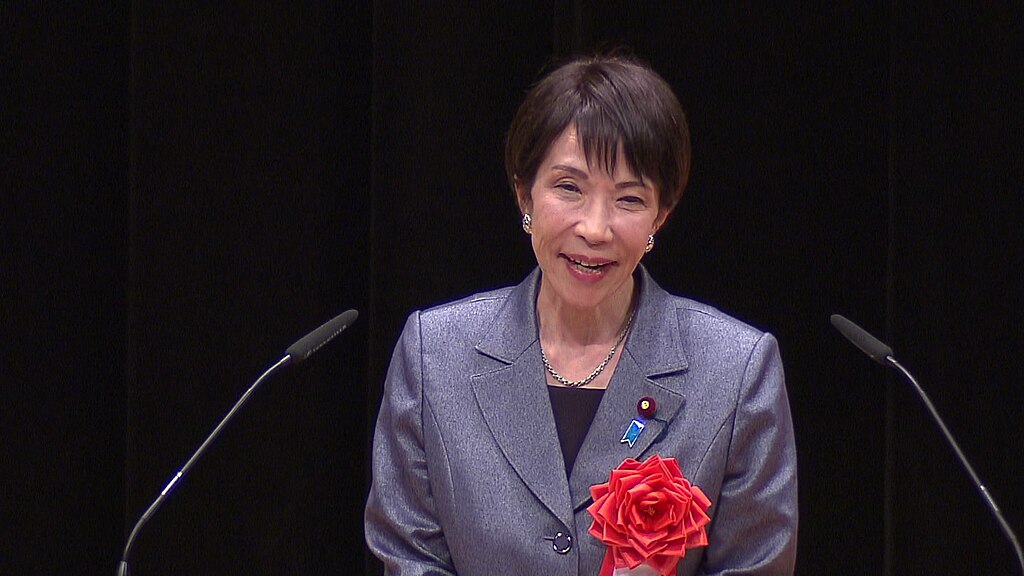
Bank of Japan Governor Kazuo Ueda and Prime Minister Sanae Takaichi are set to hold their first bilateral meeting on Monday since the ruling party’s landslide election victory, a discussion that could shape expectations for the Bank of Japan’s next interest rate decision. The meeting, scheduled for 5 p.m. (0800 GMT), comes as financial markets increasingly speculate that the BOJ may raise interest rates as early as March or April amid persistent inflation and currency volatility.
The Japanese yen has been a central factor in the rate-hike debate. After weakening to near the psychologically significant 160 level against the U.S. dollar in January, the yen rebounded nearly 3% last week—its strongest gain since November 2024. On Monday, the dollar traded at 152.66 yen in Asian markets. Analysts suggest that the yen’s recent recovery could influence the government’s stance on the pace of further monetary tightening.
Ueda and Takaichi last met in November, shortly before the BOJ raised its short-term policy rate in December to 0.75%, marking a 30-year high. At the time, the yen had been under pressure amid concerns that Takaichi, known for supporting expansionary fiscal and monetary policies, might oppose early rate hikes. However, Ueda later said the prime minister appeared to understand the central bank’s gradual approach to achieving its 2% inflation target.
Since taking office, Ueda has overseen the BOJ’s exit from its predecessor’s massive stimulus program in 2024 and implemented multiple rate increases. With inflation remaining above the 2% target for nearly four years, the central bank has emphasized its readiness to tighten policy further. Markets currently price in roughly an 80% probability of another rate hike by April.
Political influence remains a key consideration. While the Bank of Japan operates independently under Japanese law, currency movements and rising living costs often intensify government pressure. Takaichi also holds the authority to appoint two new members to the BOJ’s nine-member policy board this year, a move that could significantly impact Japan’s future monetary policy direction.







