


 Asian Stocks Fall as Oil Surge, Bond Yields and AI Concerns Hit Markets
  U.S. Stock Futures Steady as AI, Rate Concerns Weigh
  UK Housebuilder Stocks Surge on New First-Time Buyer Loan Scheme
  BlackRock’s Rick Rieder Favors Bonds Over Stocks as Treasury Yields Surge
  Fed Unveils Stablecoin Rules Under GENIUS Act
  Oil Prices Jump Nearly 3% as Iran Holds Firm on Hormuz Conditions
  Hong Kong Home Prices Stabilize in August After July Decline
  RBA Says ASX Still Falls Short on Governance and Risk Controls
  Asian Currencies Mixed as Yen Weakens, RBA Hike Looms
  RBI Uses $10 Billion Currency Swaps to Drain Excess Rupee Liquidity
  Gold Plunges 4% as Treasury Yields Surge and Fed Rate Hike Bets Rise
  Australia Budget Deficit Narrows to A$22.3 Billion on Stronger Tax Revenue
  Asian Currencies Weaken as Dollar, Oil Prices Rise
  Asian Chip Stocks Tumble as OpenAI Safety Pause Sparks AI Growth Concerns
  South Korea Tax Windfall Could Top 50 Trillion Won on Chip Boom


 Add as a preferred source on Google
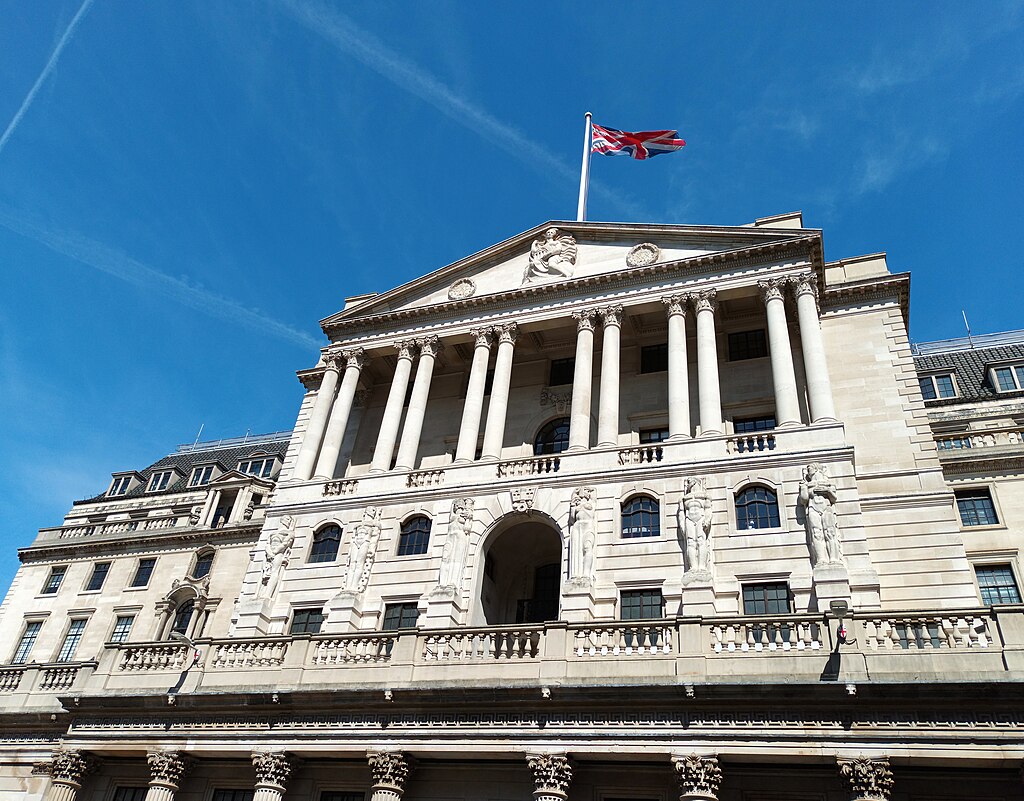
The Bank of England (BoE) is widely expected to keep interest rates unchanged this week as policymakers assess the growing economic risks tied to the ongoing Iran war and rising inflation pressures. After maintaining borrowing costs at 3.75% in March, the central bank is likely to adopt a cautious stance again, balancing concerns over economic slowdown with persistent inflation threats.
Financial markets, however, are signaling a different outlook. Investors are increasingly betting on potential rate hikes later this year, with expectations of incremental increases starting as early as July, followed by possible moves in September. Despite these projections, BoE Governor Andrew Bailey has indicated that raising rates too soon could be premature given the uncertain economic environment.
Economists remain divided. A Reuters poll suggests most analysts expect the Monetary Policy Committee (MPC) to vote overwhelmingly—possibly 8-1—to hold rates steady. Still, some policymakers may push for a proactive increase to 4.0% to curb inflation risks, especially as memories of the UK’s inflation surge above 11% in 2022 remain fresh.
The UK economy is particularly sensitive to rising energy prices due to its heavy reliance on natural gas. Recent data highlights a sharp increase in business input costs and record-high expectations for future price hikes, raising concerns about sustained inflation. The International Monetary Fund forecasts UK inflation could peak at 4% this year, reinforcing the pressure on policymakers.
BoE Chief Economist Huw Pill recently emphasized the risks of waiting too long to act, noting that delayed responses could worsen inflation outcomes. Meanwhile, other MPC members are weighing weakening consumer confidence, slower hiring, and broader economic uncertainty.
With limited clarity on how long the Iran war will disrupt global energy markets, the BoE is expected to reiterate its readiness to respond if conditions worsen. Updated economic forecasts due this week will likely show higher inflation and weaker growth through 2026 and 2027. For now, the central bank appears focused on gathering more data before making any decisive policy shifts.







