


 BOJ Set for 25-Basis-Point Rate Hike as Yen Weakness Fuels Inflation
  U.S. Stock Futures Fall as Iran, Oil and AI Risks Rattle Markets
  Dollar Eases Near Two-Month High as Yen Rebounds
  China Cuts Tariffs on U.S. Farm Goods but Excludes Soybeans
  UK Housebuilder Stocks Surge on New First-Time Buyer Loan Scheme
  Fed’s Williams Signals One More Rate Hike Before Year-End
  Gold Plunges 4% as Treasury Yields Surge and Fed Rate Hike Bets Rise
  Japanese Yen Retreats as Dollar Rises Ahead of Fed, BOJ Rate Decisions
  RBA Says ASX Still Falls Short on Governance and Risk Controls
  BOJ Flags Import Costs and Yen Shocks as Persistent Inflation Risks
  Japan Factory Output Unexpectedly Falls 1.7% in August


 Add as a preferred source on Google
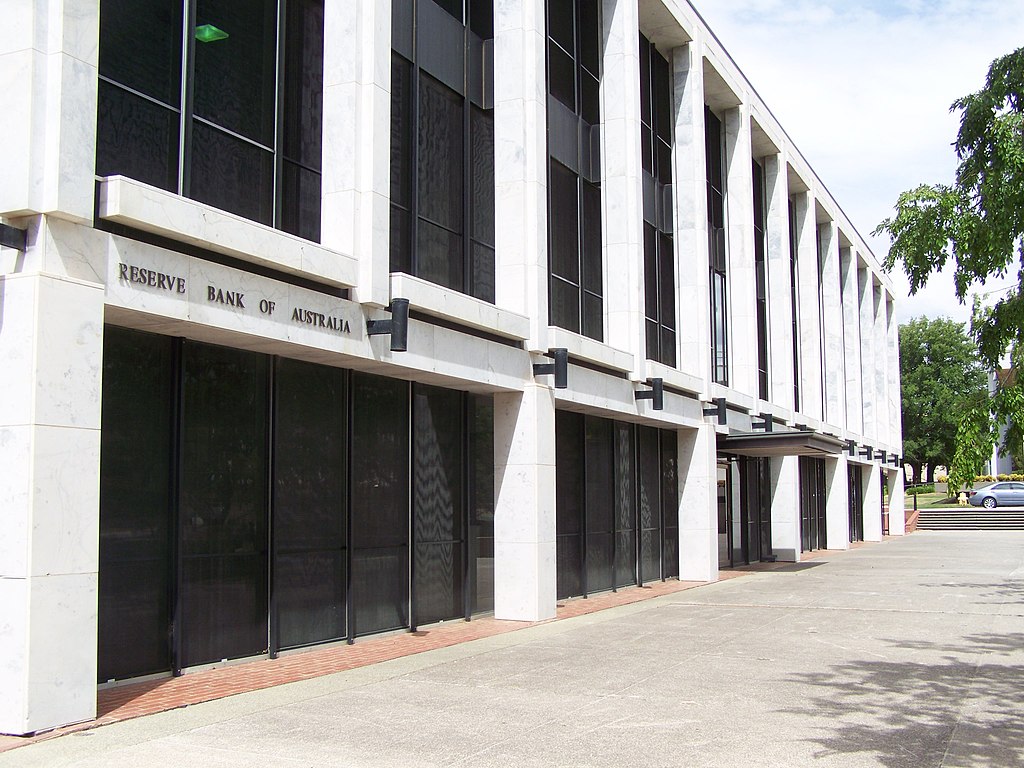
Australia’s central bank is preparing to modernize its interbank settlement infrastructure, which processes about A$300 billion (US$194.9 billion) in daily transactions. Reserve Bank of Australia (RBA) Governor Michele Bullock announced that starting next year, the bank will begin evaluating ways to upgrade the Reserve Bank Information and Transfer System (RITS), a core part of the nation’s payments framework.
In a speech delivered in Sydney, Bullock emphasized that maintaining a secure, efficient, and innovative payments ecosystem is essential for Australia’s economic resilience. “Our payments system must remain safe, reliable, low-cost and easy to use – but also innovative and future-ready,” she said. “Maintaining and evolving our payments system is therefore not optional. It is an economic imperative.”
The RBA’s modernization efforts will explore integrating advanced data exchange technologies, extending settlement hours, and enabling more transactions through central bank money. These updates are designed to ensure RITS continues to meet the demands of an evolving digital economy and remains at the forefront of financial stability.
While RITS currently functions securely and efficiently, Bullock noted that modernization is crucial to keep it fit for purpose in the long term. The system serves as the backbone of Australia’s financial infrastructure, underpinning interbank settlements and the overall payments landscape.
Bullock’s address did not touch on interest rates or broader monetary policy ahead of the RBA’s upcoming meeting scheduled for November 3–4. Her remarks, however, underscore the central bank’s focus on ensuring Australia’s payment systems remain adaptable and globally competitive amid rapid technological advancement.







