


 Google Secures Pentagon AI Deal for Classified Projects
  US Sanctions Target Iran’s Shadow Banking Network and Terror Financing
  Trump-Xi Meeting 2026: U.S.-China Trade Tensions Escalate Ahead of Beijing Summit
  Gold Prices Rise as Weaker Dollar and Iran Ceasefire Hopes Boost Safe-Haven Demand
  Trump-Xi Beijing Summit to Focus on Trade, Taiwan, and Boeing Deal
  Israel Expands Gaza Restricted Zones, Raising Concerns for Civilians and Aid Access
  White House Withdraws Trump’s National Park Service Nominee Amid Criticism
  China EV Truck Boom Accelerates as Iran War Drives Diesel Prices Higher
  Rubio Approves $25.8 Billion Weapons Sale to Middle East Allies
  Asian Stocks Rally as Japan’s Nikkei Hits Record High on U.S.-Iran Peace Optimism
  US-Iran Ceasefire Under Pressure as Fresh Strait of Hormuz Clashes Shake Oil Markets
  Judge Rules DOGE Humanities Grant Cuts Unconstitutional
  Trump Expands Cuba Sanctions Targeting Key Sectors and Foreign Entities
  Oil Prices Surge as U.S.-Iran Conflict Threatens Strait of Hormuz Supply Route
  U.S.-China Beef Trade Deal Hopes Rise Ahead of Trump-Xi Summit
  U.S. Budget Airlines Seek $2.5 Billion Government Aid Amid Rising Jet Fuel Costs
  Qatar Condemns Drone Strike as Iran Conflict Threatens Gulf Shipping and Global Markets


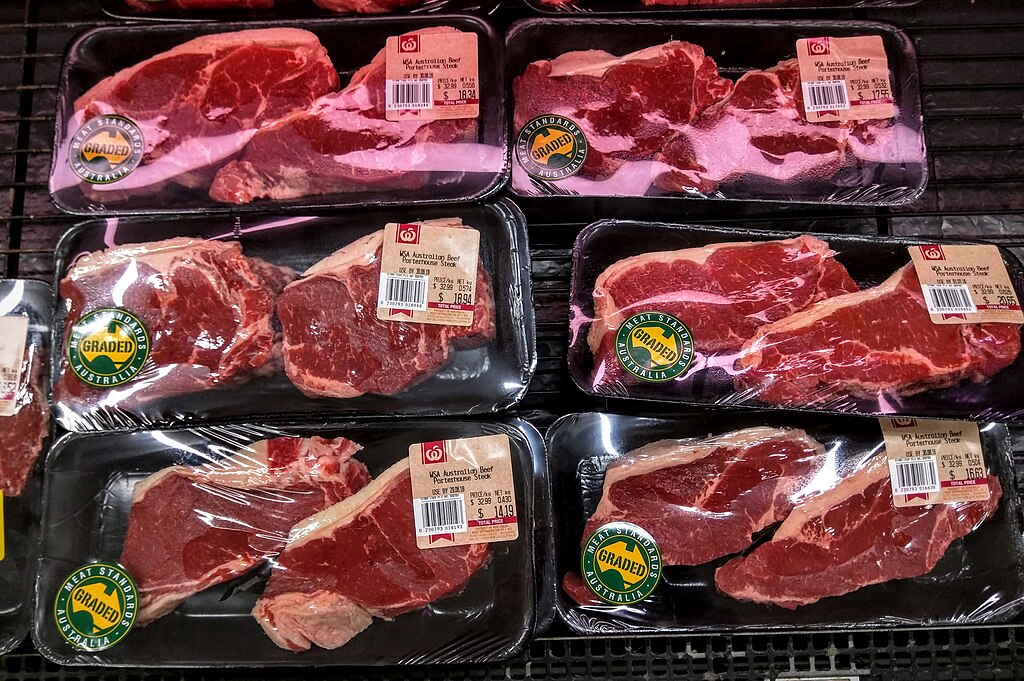
Australia has officially lifted strict biosecurity restrictions on U.S. beef imports following a decade-long scientific and risk-based review, easing a key trade friction point with Washington. Agriculture Minister Julie Collins announced Thursday that the United States has implemented effective biosecurity measures, allowing the removal of longstanding curbs first imposed in 2003 after a mad cow disease outbreak.
Collins emphasized Australia’s commitment to maintaining high biosecurity standards, noting that the review process ensured safety without compromising the country’s disease-free cattle status, vital for premium markets like Japan and South Korea. The move could bolster negotiations for the U.S. to reduce steep tariffs on Australian steel, aluminum, and pharmaceuticals.
The decision comes as U.S. President Donald Trump has criticized trade imbalances in the beef sector. Australian beef exports to the U.S. surged to A$4 billion ($2.64 billion) last year, coinciding with declining U.S. beef production. Despite previous reluctance, Prime Minister Anthony Albanese’s government approved the measure amid broader bilateral trade discussions.
Australia’s import rules will now accept beef from cattle born, raised, and slaughtered in the United States. Enhanced tracking systems introduced by the U.S. now trace cattle from Mexico and Canada through the supply chain, addressing prior concerns over animal origin verification.
Australian beef, prized by U.S. fast-food chains for its leaner quality and competitive pricing, stands to benefit from the policy shift. Conversely, U.S. producers gain access to Australia’s lucrative beef market, signaling a potential thaw in ongoing trade tensions between the two allies.







