


 Pinterest Stock Falls as CFO Julia Brau Donnelly Resigns
  Google Changes EU Spam Policy Amid Antitrust Scrutiny
  U.S. Disrupts China-Linked Hacking Campaign Targeting Government Agencies
  Salesforce Shares Surge as AI Demand Powers Q2 Earnings Beat
  SoftBank Plans Record $6.3 Billion Bond Sale to Fund OpenAI Investments
  Samsung Shares Tumble 8% as $79 Billion Return Plan Disappoints
  New Zealand Moves to Ban Social Media for Children Under 16
  Countries Tighten Social Media Bans for Children
  Nvidia Pauses AI Cloud Financing Deals Amid Antitrust Concerns
  SK Hynix Shares Fall as Workers Reject Wage Deal
  U.S. Probes Apex Logistics Over Nvidia AI Chip Shipments to China
  OpenAI Data Center Chief Chris Malone Exits Ahead of Planned 2027 Listing
  Luxshare Shares Rise as First-Half Profit Jumps 18%
  BofA Names ASML Top Semiconductor Equipment Pick on Growth, Valuation
  HP Stock Drops 9% Despite Q3 Earnings Beat and Raised 2026 Outlook


 Add as a preferred source on Google
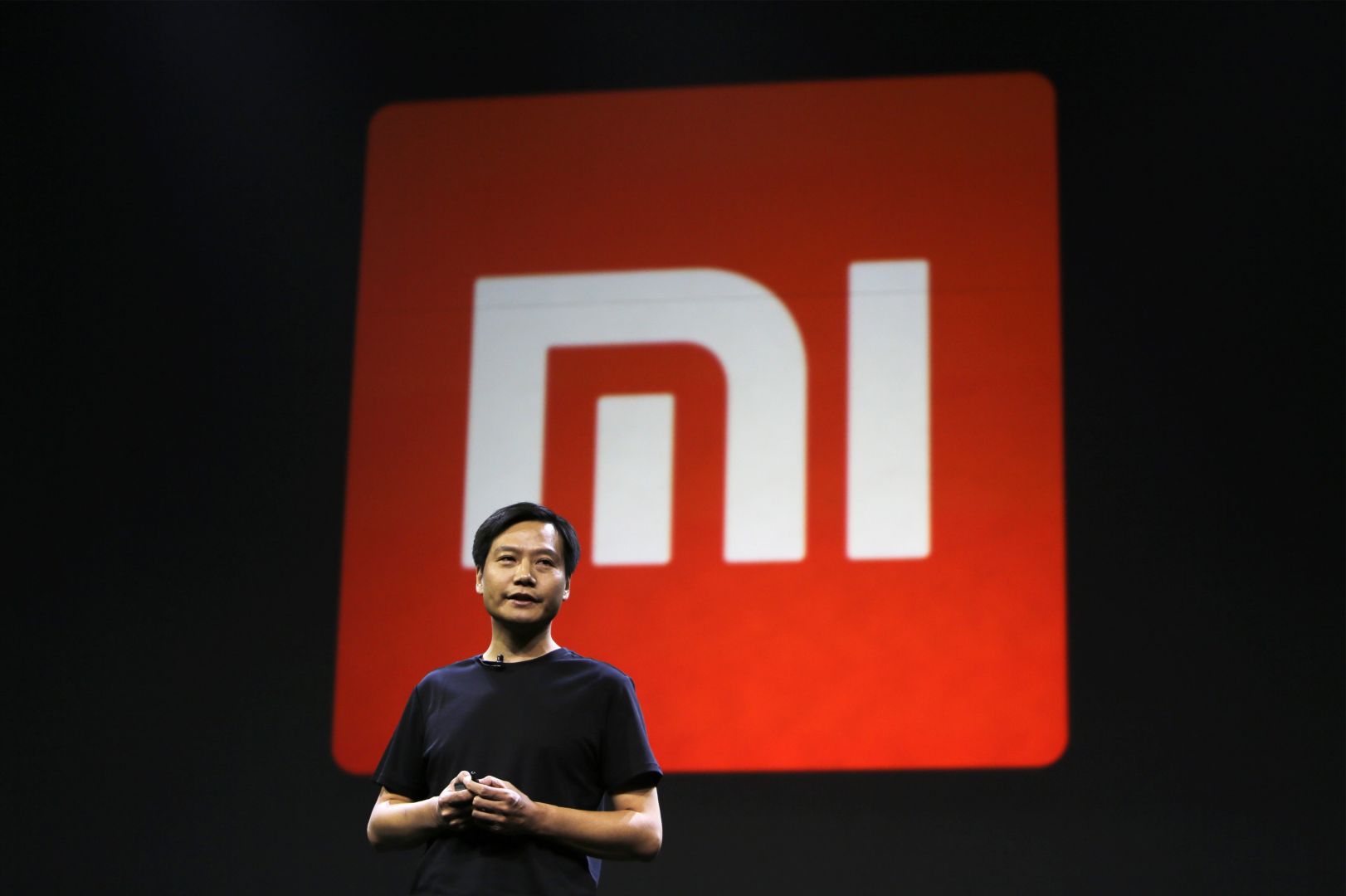
Beijing-based company Xiaomi seems eager to establish itself as an industry leader in mobility devices with its recent debut of a self-balancing scooter. Techcrunch reports that the new device, which is called the Ninebot mini, allows users to steer via detection in the rider’s legs or through a complementary app.
According to Xiaomi, the 12.8-kilogram Ninebot mini, on a single charge, can allow its rider to travel 22 kilometers at a top speed of 16 kilometers per hour. Moreover, Xiaomi’s new “hoverboard” can support riders weighing up to 85 kilograms.
Venture Beat said the scooter, which is currently on retail for USD314, was a product of Xiaomi’s smart investment in transportation robotics startup Ninebot Inc. Ninebot coincidentally bought its US counterpart Segway in 2014, so it made sense for Xiaomi to bank on its strength in being able to produce a cheaper, but formidable alternative to other self-balancing scooters in mainland China.







