


 Mexico, U.S. Launch Sterile Fly Facility to Combat New World Screwworm Outbreak
  Australia Plans Higher Fines for Social Media Firms Failing to Block Underage Users
  Trump Threatens 100% Tariffs on Countries Imposing Digital Services Taxes on U.S. Tech Firms
  Iran Launches Drone Attack on Bahrain After U.S. Strikes, Strait of Hormuz Tensions Escalate
  Serbia Protests Continue as Thousands Rally Despite Vucic’s Resignation Plan
  Russian Attacks on Dnipro, Zaporizhzhia, and Kharkiv Kill 10 as Ukraine Vows Response
  Canada Grants C$7 Million to Greenland Molybdenum Mine to Strengthen Critical Minerals Supply
  Maria Corina Machado’s Return to Venezuela Faces U.S. Hesitation After Deadly Earthquakes
  Israeli Airstrike Kills Three in Central Gaza Despite Ceasefire
  Sheinbaum Says No One Is Above the Law After Abuse Video of Ex-Pemex Chief Emerges
  Russia Intensifies Assault on Kostiantynivka as Ukraine’s Donetsk Defense Faces Mounting Pressure
  Taiwan Coast Guard Officer Finds Strength in Faith as China Increases Pressure in Taiwan Strait
  US, Iran Agree to Halt Attacks Ahead of Doha Talks on Strait of Hormuz
  Despite its best efforts, Iran won’t be able to toll the Strait of Hormuz. Here’s why


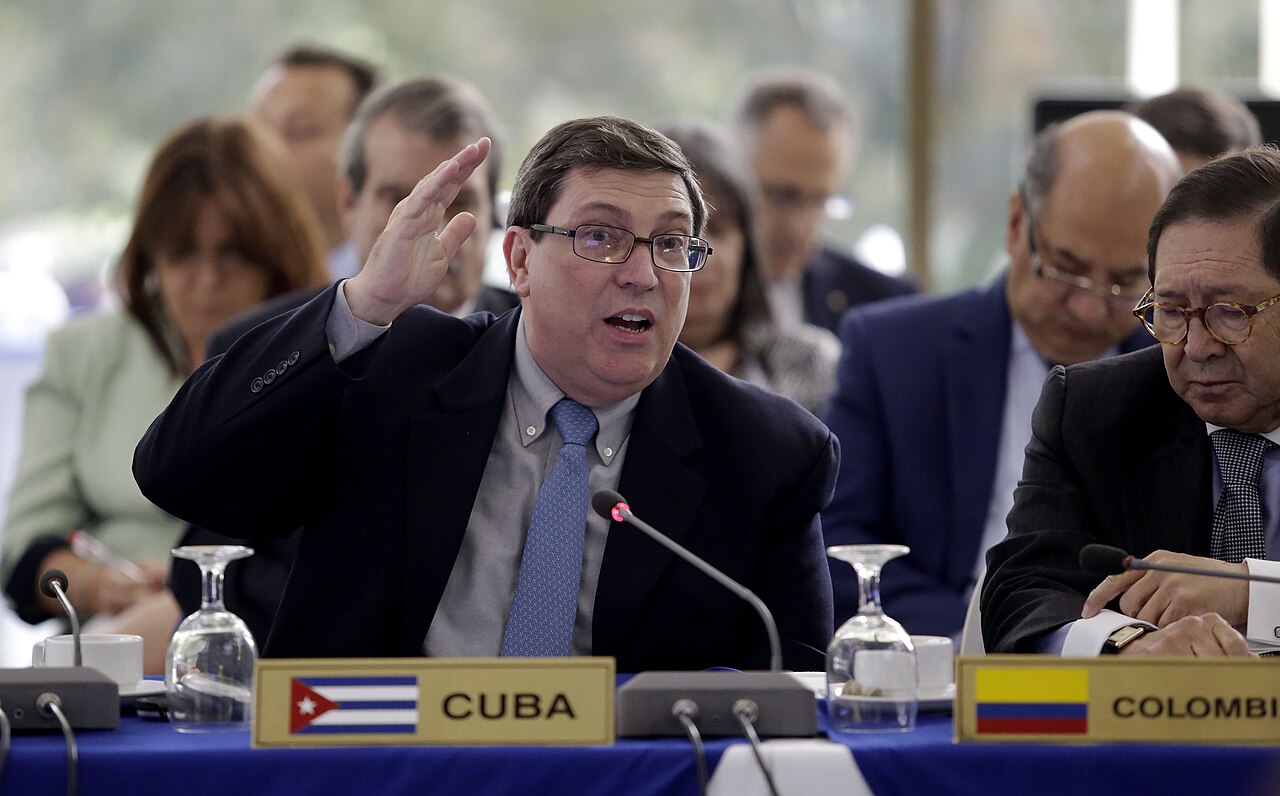
Cuban Foreign Minister Bruno Rodriguez has rejected accusations that Cuba is preparing military aggression against the United States, calling the allegations a “fraudulent case” designed to justify tougher economic sanctions and possible military intervention. His remarks came after an Axios report cited classified U.S. intelligence claiming Cuba had obtained more than 300 military drones.
According to the report, U.S. intelligence officials believe Havana discussed potential plans involving drone attacks targeting the U.S. naval base at Guantanamo Bay, American military ships, and Key West, Florida. Rodriguez did not directly address the drone allegations but insisted that Cuba “neither threatens nor desires war.” In a statement shared on social media, he said the country is prepared only to defend itself against external aggression under rights recognized by the United Nations Charter.
The latest dispute highlights rapidly growing tensions between the United States and Cuba under the Trump administration. A senior U.S. official told Axios that Washington views Cuba as an increasing security concern because of advancements in drone warfare and the reported presence of Iranian military advisers in Havana. Reuters said it could not independently verify the intelligence claims.
Relations between the two countries have worsened in recent weeks. Sources within the U.S. Department of Justice reportedly told Reuters they are preparing charges against former Cuban leader Raul Castro over Cuba’s 1996 downing of planes operated by the humanitarian organization Brothers to the Rescue. An indictment against the 94-year-old revolutionary figure would mark a major escalation in U.S. pressure on the communist-led island nation.
President Donald Trump has also intensified rhetoric toward Cuba after the January capture of Venezuelan President Nicolas Maduro. Trump previously warned that “Cuba is next,” fueling speculation about future U.S. actions in the region.
Amid the heightened tensions, CIA Director John Ratcliffe recently traveled to Havana for rare high-level talks with Cuban officials, including Raul Castro’s grandson, signaling ongoing behind-the-scenes diplomatic engagement despite the growing political conflict.







