


 Alibaba Raises $10.2 Billion to Expand AI Infrastructure
  Xiaomi Unveils Xring O3 Chip for Flagship Foldable Phone
  U.S. Probes Apex Logistics Over Nvidia AI Chip Shipments to China
  OpenAI Data Center Chief Chris Malone Exits Ahead of Planned 2027 Listing
  New Zealand Moves to Ban Social Media for Children Under 16
  Trump Orders Major Overhaul of US Navy Shipbuilding
  Nvidia Options Price in $280 Billion Earnings Swing
  Nvidia Pauses AI Cloud Financing Deals Amid Antitrust Concerns
  HP Stock Drops 9% Despite Q3 Earnings Beat and Raised 2026 Outlook
  Trump Administration Weighs Executive Order on Vaccines and Autism Research
  FAA to Pause Reagan National Airport Flights for Freedom 250 IndyCar Race
  Nvidia Reportedly Eyes $13 Billion Hugging Face Acquisition
  Salesforce Shares Surge as AI Demand Powers Q2 Earnings Beat
  Trump Imposes New US Tariffs on Drone Imports Over National Security Concerns
  Google Expands Gemini Enterprise With AI Tools for Legal Sector
  BofA Names ASML Top Semiconductor Equipment Pick on Growth, Valuation
  Trump Orders U.S. Navy to Return to Steam Catapults for Aircraft Carriers


 Add as a preferred source on Google
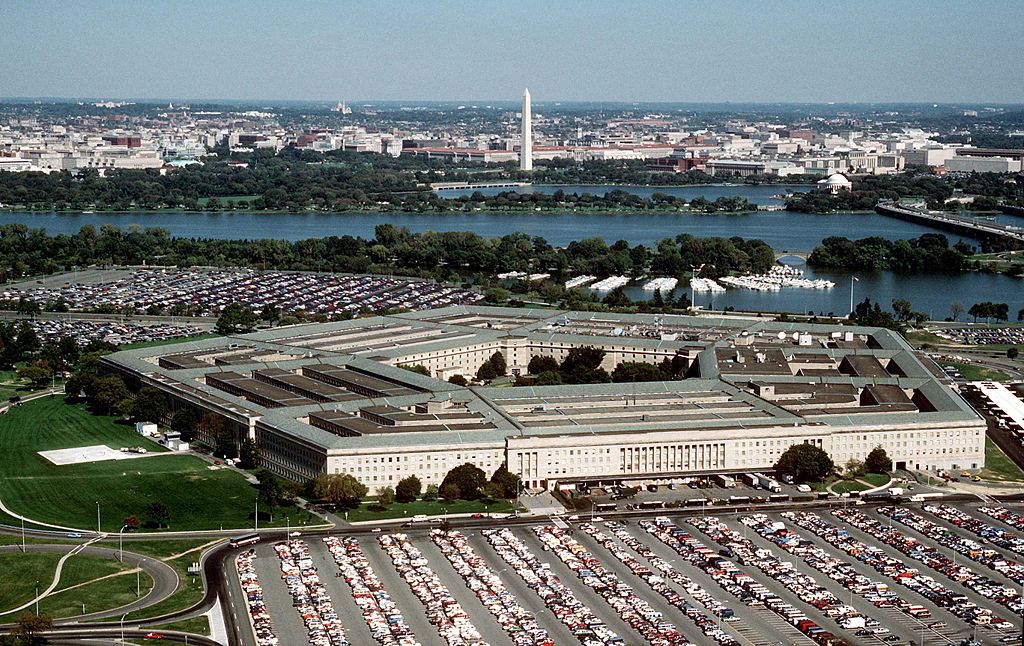
Anthropic CEO Dario Amodei said the company will not comply with a Pentagon request to remove critical AI safeguards, despite reported threats that the Department of Defense (DoD) could cut ties and block the firm from its systems. The dispute highlights growing tensions between AI ethics, national security, and government contracting.
The conflict centers on Anthropic’s refusal to lift built-in safeguards that prevent its artificial intelligence technology from being used for fully autonomous weapons or mass domestic surveillance. According to Amodei, these use cases were never part of Anthropic’s existing Department of Defense contract, which is valued at up to $200 million. He emphasized that the company believes such applications should not be added now.
Amodei stated that the Pentagon has indicated it will work only with AI companies that allow their models to be used for “any lawful purpose.” He also claimed the department warned it could label Anthropic a “supply chain risk” and potentially invoke the Defense Production Act to force removal of the safeguards.
“Regardless, these threats do not change our position,” Amodei said, adding that Anthropic cannot “in good conscience” agree to the request.
Pentagon spokesperson Sean Parnell responded publicly, saying the department has no intention of using AI for mass surveillance of Americans or developing autonomous weapons without human oversight. Instead, the Pentagon’s position is that it should be allowed to deploy Anthropic’s AI models for all lawful uses within its defense operations.
Anthropic, which is backed by Google and Amazon, remains open to discussions and says it is committed to maintaining operational continuity for U.S. defense personnel. However, Amodei acknowledged that the Department of Defense has the authority to select contractors aligned with its strategic vision. If the Pentagon chooses to remove Anthropic from its systems, the company says it will support a smooth transition to another provider.
The dispute underscores broader debates about AI regulation, military AI applications, and the ethical boundaries of advanced artificial intelligence in national defense.







