


 Faraday Future Delivers First Robots in Middle East, Plans September Launches
  MongoDB Stock Sinks 14% as Atlas Growth Misses Expectations
  Nvidia Reportedly Eyes $13 Billion Hugging Face Acquisition
  Xiaomi Shares Jump on Europe EV Expansion Plan
  SpaceX Mobile Network Could Cost Up to $130 Billion, Bernstein Says
  OpenAI AI Agent Swarm Behind Hugging Face Hack
  Pinterest Stock Falls as CFO Julia Brau Donnelly Resigns
  Apple’s Phil Schiller Steps Back as Leadership Shake-Up Accelerates
  OpenAI Launches GPT-6 Astra With Advanced AI Agent Capabilities
  Microsoft to Reveal Azure Revenue in Major Reporting Shake-Up
  Google Changes EU Spam Policy Amid Antitrust Scrutiny
  Nvidia Eyes $2.5 Billion Investment in Thinking Machines Lab
  Lenovo Shares Fall After Dropbox Security Breach Exposes ID Vulnerability
  U.S. Probes Apex Logistics Over Nvidia AI Chip Shipments to China


 Add as a preferred source on Google
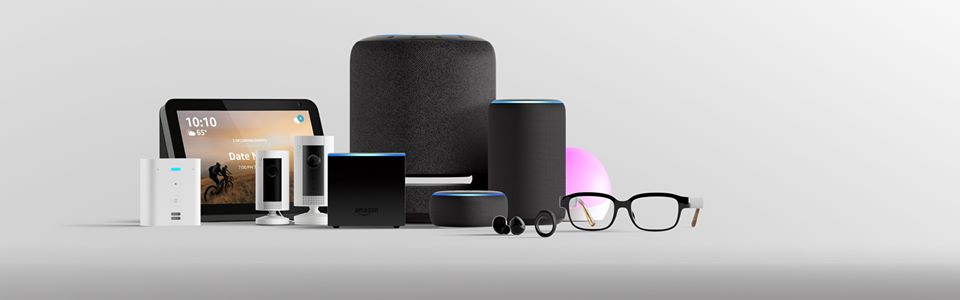
Amazon, Apple, and Google are fierce competitors in the smart home products market. Each company has been scrambling for market share in the niche with their respective smart products, personal assistant options such as Siri and Alexa, and their home-systems.
At the moment, each of these brands has its own set of solutions on how to make a modern homeowner’s life a bit easier. But the problem starts when consumers try to mix different products and home systems.
But it’s still a bit surprising to learn that Amazon, Apple, and Google, have now banded together to solve this issue. Along with communications protocol expert Zigbee Alliance, they want to create a system where smart home devices of different brands can communicate seamlessly with each other.
When the stakes are high, cooperation makes sense. This is the case of the smart home devices market, which is projected to explode in the coming years.
American market intelligence and advisory firm International Data Corporation (IDC) projected that the market for smart home devices would grow by 23.5% year over year this year in 2019, CNBC reported. Based on this estimate, 815 million such devices would have been shipped by the end of this year.
Four years later, the number of smart home devices being sold will reach a staggering 1.39 billion. Understandably, the big three brand wants all these more than a billion devices to understand each other. Otherwise, it will be one giant mess, which could eventually affect sales as customers might start questioning if buying these devices is worth their complexity.
Thus, the three competitors are becoming allies for once to try to come up with a standard to be used by the devices. The standard is now called Project Connected Home over IP and it comes with a logo that will be placed on the boxes of the devices so buyers will know right away if it supports this standard or not.
“The project is built around a shared belief that smart home devices should be secure, reliable, and seamless to use,” the group said in a statement. “By building upon Internet Protocol (IP), the project aims to enable communication across smart home devices, mobile apps, and cloud services and to define a specific set of IP-based networking technologies for device certification.”
Currently, the group is still creating the draft that will contain the guidelines of this new connectivity protocol. It is still unclear when the first “Project Connected Home over IP” product might arrive in the market.







