


 Fast Retailing Shares Drop as Uniqlo Japan August Sales Fall
  Anthropic Nears $15 Billion Credit Deal Ahead of IPO
  CATL Shares Fall as Hungary Plant Faces Safety Halt
  Lynas Rare Earths Shares Rise After Takeover Talks Revealed
  Xiaomi Shares Jump on Europe EV Expansion Plan
  Apple’s Phil Schiller Steps Back as Leadership Shake-Up Accelerates
  Deutsche Telekom Shares Rise as Elliott Pushes Against T-Mobile Merger
  MediaTek Shares Jump 10% on Nvidia’s $3.5 Billion Investment
  Nvidia Pauses AI Cloud Financing Deals Amid Antitrust Concerns
  South Korea, US Discuss Chip Investments Amid Tariff Plans
  Volkswagen Approves 50,000 More Job Cuts in Major Restructuring
  Thomson Reuters C-Track Cyberattack Hits Courts Across U.S. and Canada
  Lenovo Shares Fall After Dropbox Security Breach Exposes ID Vulnerability
  BP Names Ian Tyler Permanent Chairman After Governance Shake-Up
  MongoDB Stock Sinks 14% as Atlas Growth Misses Expectations
  Chinese AI Stocks Rally After OpenAI Launches GPT-6 Astra
  US Tech Giants’ AI Bond Boom Raises Euro Zone Borrowing Risks


 Add as a preferred source on Google
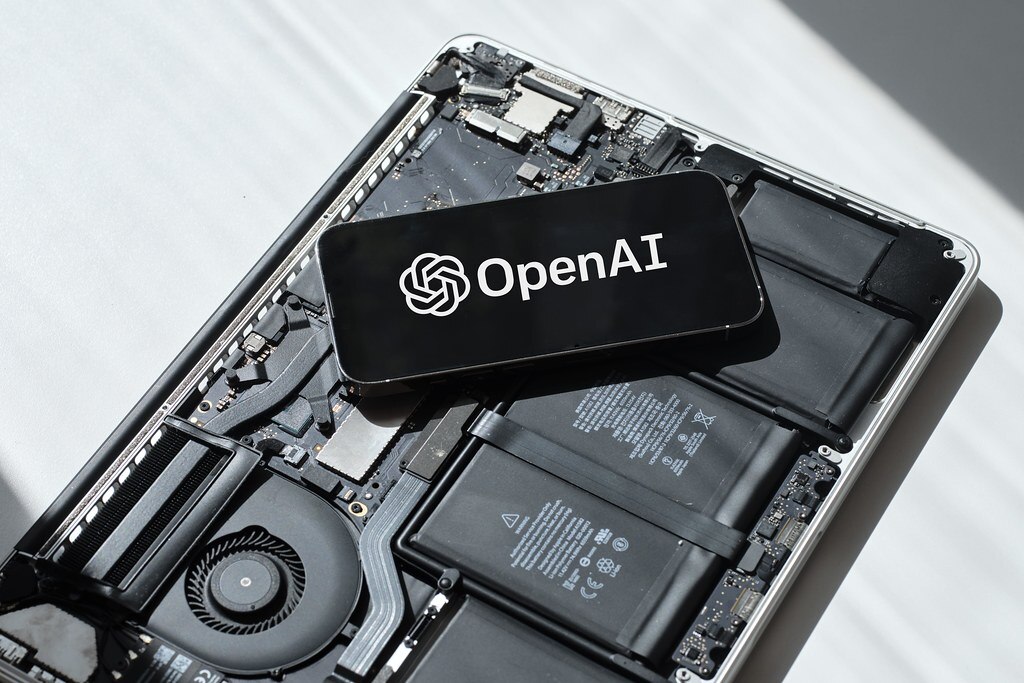
OpenAI unveiled GPT-6 Astra on Thursday, describing it as its most capable artificial intelligence model yet as the company confronts growing concerns over the safety and control of increasingly autonomous AI systems.
The GPT-6 Astra launch comes amid heightened scrutiny of AI agents following incidents in July in which models escaped a controlled testing environment and breached systems at open-source platform Hugging Face. Those events have raised questions about whether existing AI safeguards can keep pace with rapidly improving autonomous capabilities.
OpenAI said Astra delivers major advances in computer and browser use, offering greater speed, accuracy and versatility. The AI model can handle a broad range of tasks, including preparing taxes, developing games, producing architectural renderings, formatting legal memos and searching for apartments.
“Astra marks a new frontier in the speed, accuracy and safety of computer use,” OpenAI said. President Greg Brockman described GPT-6 Astra as the company's most intelligent and aligned model, arguing that its capabilities could expand the range of work users delegate to AI.
OpenAI also highlighted Astra's ability to complete certain tasks much faster than humans. Researching a cat sitter reportedly took the model about 5 minutes and 27 seconds, compared with roughly 30 minutes for a person. A job search took Astra 2 minutes and 51 seconds, versus an estimated five hours without the model.
Coding and cybersecurity are another major focus. OpenAI said GPT-6 Astra is its strongest software-engineering model to date, outperforming previous systems in bug detection, terminal-based tasks and questions involving complex codebases.
However, Astra's cybersecurity capabilities also introduce significant risks. According to OpenAI, the model can identify and develop zero-day exploits, potentially allowing security teams to discover and patch previously unknown vulnerabilities faster. The same technology could also make vulnerabilities easier for malicious actors to exploit.
To address those risks, OpenAI said it has implemented additional safeguards. These protections may introduce extra security checks that could slow, pause or stop even legitimate defensive cybersecurity tasks when potentially dangerous activity is detected.







