


 Texas Republicans Turn Against AI Data Centers as Election Backlash Grows
  Anthropic Nears $15 Billion Credit Deal Ahead of IPO
  South Korea Unveils Record $597 Billion 2027 Budget to Boost AI and Chips
  MediaTek Shares Jump 10% on Nvidia’s $3.5 Billion Investment
  US Investigates Deadly Strike on Iranian Wedding
  Berkshire Hathaway Eyes Bigger Stakes in Japan’s Top Trading Houses
  Thomson Reuters C-Track Cyberattack Hits Courts Across U.S. and Canada
  Tesla Cybercab Rides Launch in Austin as NHTSA Reviews Rollout
  Haiti Urges UN to Extend Gang Suppression Force Ahead of December Election
  SpaceX Mobile Network Could Cost Up to $130 Billion, Bernstein Says
  OpenAI Rejects Apple Trade Secret Theft Claims
  BP Names Ian Tyler Permanent Chairman After Governance Shake-Up
  US Tech Giants’ AI Bond Boom Raises Euro Zone Borrowing Risks
  US Strikes Iran as Tehran Retaliates, Oil Prices Surge
  South Korea Weighs Military Support for Strait of Hormuz Security
  OpenAI Launches GPT-6 Astra With Advanced AI Agent Capabilities
  Maduro Seeks Dismissal of US Drug Trafficking Charges


 Add as a preferred source on Google
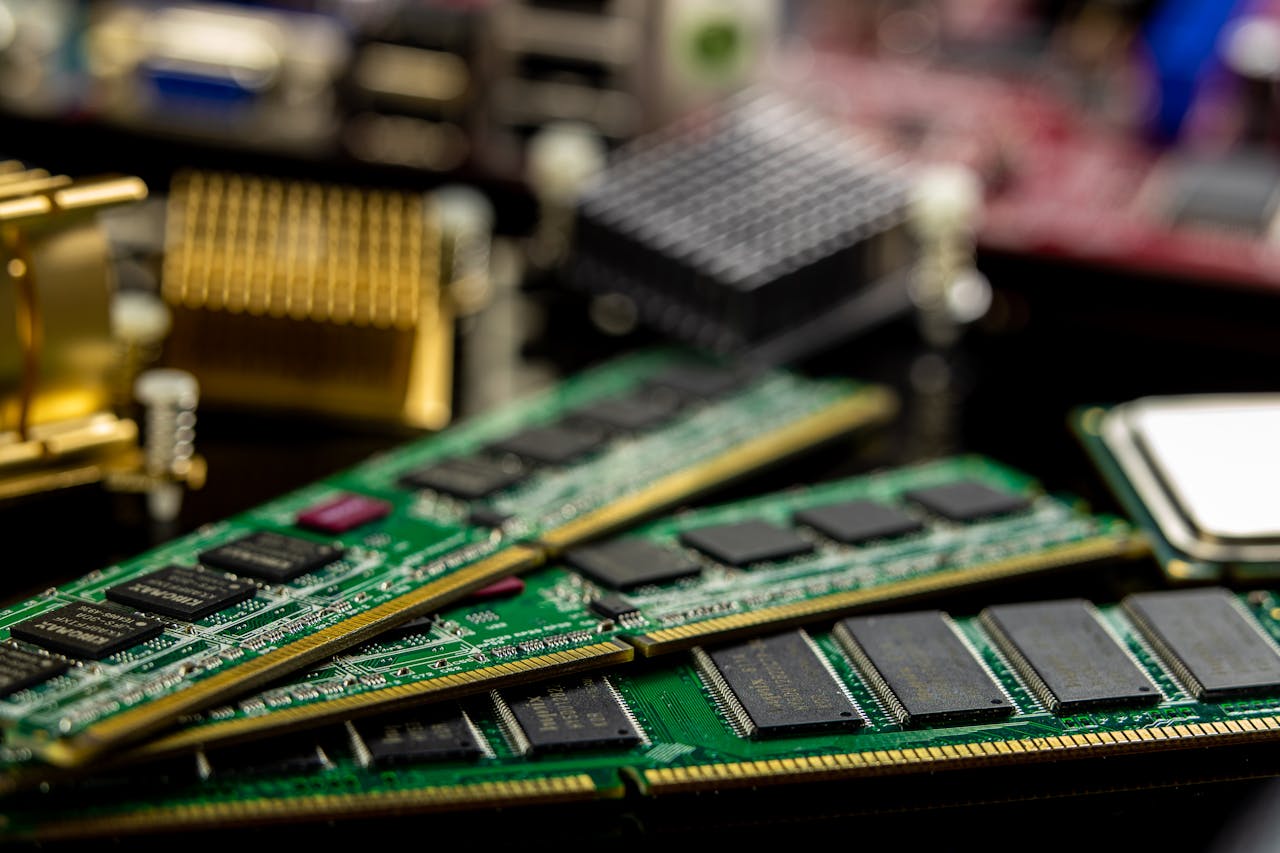
South Korea and the United States are holding discussions over semiconductor investments in U.S. manufacturing as the two countries navigate broader economic and trade negotiations, a senior Seoul official said Friday.
The talks come as Washington considers new tariffs on semiconductor imports, raising questions about how the policy could affect investment commitments by major South Korean chipmakers.
A South Korean presidential official said semiconductors were among several investment-related issues being discussed with the United States. The official was responding to questions about whether Washington’s proposed chip tariffs were influencing ongoing negotiations.
“There are various issues between South Korea and the United States, and they are sometimes affecting each other,” the official said, adding that Seoul was working to prevent individual disputes from disrupting wider bilateral cooperation.
U.S. Commerce Secretary Howard Lutnick said this week that Washington was developing what he described as a “targeted, thoughtful tariff policy” for imported semiconductors. He also emphasized the Trump administration’s push for overseas manufacturers to expand production inside the United States.
The semiconductor negotiations follow an agreement reached by the two countries’ presidents last year that included $350 billion in planned South Korean investment in U.S. manufacturing.
Under that agreement, South Korean semiconductor companies are expected to receive U.S. tariff treatment that is no less favorable than terms granted to competing countries with an equal or greater volume of chip trade.
South Korea is a major player in the global semiconductor industry and is home to Samsung Electronics and SK Hynix, the world’s leading memory chip manufacturers. Demand for advanced memory chips has accelerated as U.S. technology companies invest heavily in artificial intelligence infrastructure and data centers.
The discussions could therefore have significant implications for semiconductor supply chains, AI investment and trade relations between Seoul and Washington.
Separately, the South Korean official said bilateral negotiations on national security matters had made little progress. Those discussions include Seoul’s plan to develop a domestically built nuclear-powered submarine, another component of the agreement reached with Washington last year.







