


 Nicaragua Congress Backs Reform Banning Opposition Parties
  South Korea Weighs Military Support for Strait of Hormuz Security
  US-Iran Conflict Escalates With New Strikes Near Hormuz
  Two Palestinian Teenagers Killed in West Bank Violence
  US, Australia Pledge $580 Million for Pacific Islands
  US Investigates Deadly Strike on Iranian Wedding
  Brazil Warns EU of Retaliation Over Animal Products Ban
  USS Abraham Lincoln Arrives in Thailand After Record 200 Days at Sea
  South Korea, US Discuss Chip Investments Amid Tariff Plans
  US Oil Blockade Deepens Iran’s Economic Crisis
  Greenland Says US Talks Remain Ongoing
  Haiti Urges UN to Extend Gang Suppression Force Ahead of December Election
  Trump Names Adam Telle Acting U.S. Army Secretary
  Vietnam Leader To Lam Plans Russia, France, US and Canada Visits
  Trump Administration Threatens Smithsonian Support Over Leadership Dispute
  Pacific Leaders Raise Alarm Over China Missile Test as Nauru Dissents
  Australia, US Move to Expand Defence Ties in Indo-Pacific


 Add as a preferred source on Google
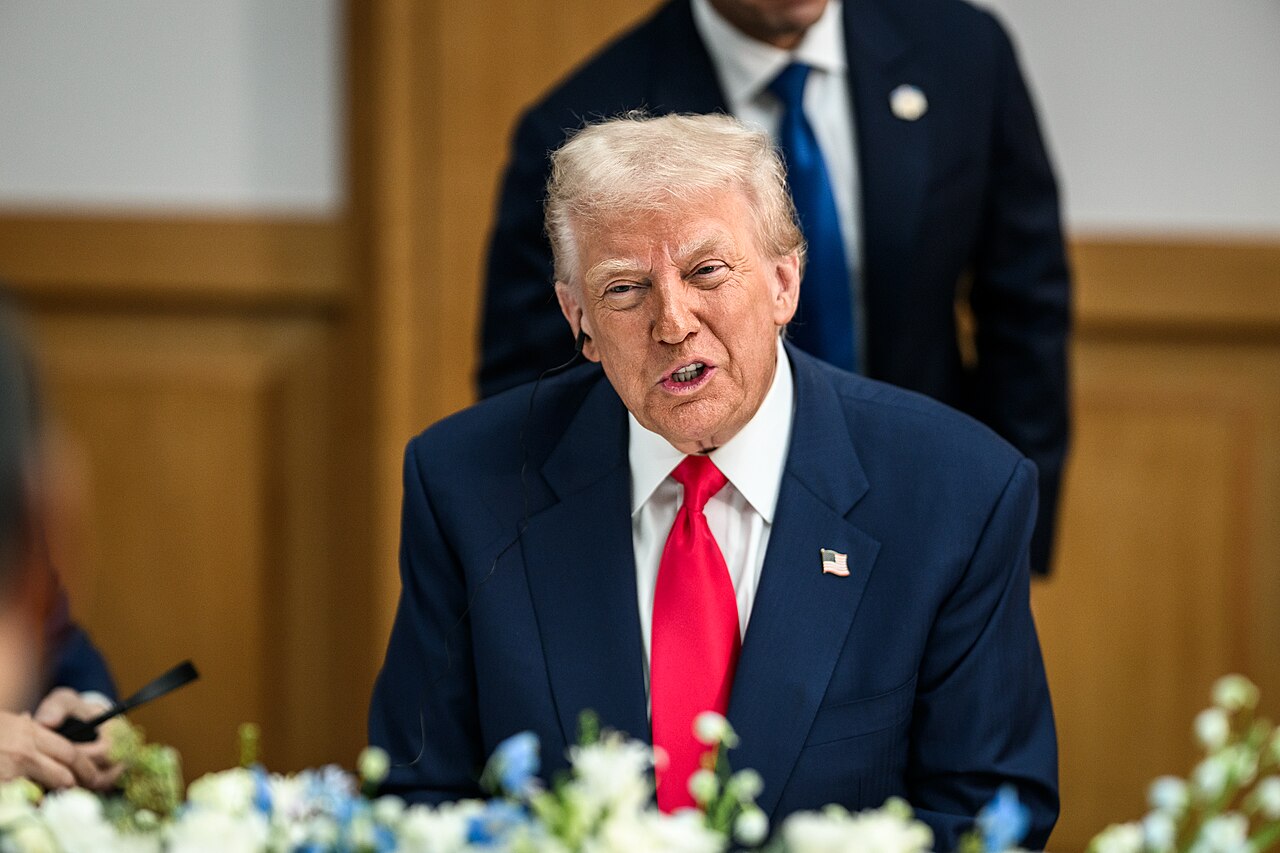
U.S. President Donald Trump said Thursday he plans to ask European nations to reimburse the United States for military aid and munitions previously supplied to Ukraine, while signaling that U.S. weapons sales to allies could temporarily slow as Washington rebuilds its own stockpiles.
In a social media post, Trump criticized reports that U.S. ammunition reserves have been heavily depleted, particularly during the ongoing conflict with Iran. He said the United States is increasing weapons production and prioritizing domestic military inventories before resuming sales to allied countries.
“We are taking them for ourselves, the U.S.A., rather than selling them to others, but the sales to Allies will soon again, begin,” Trump wrote.
Trump also argued that European governments should have covered more of the cost of supporting Ukraine during the war with Russia. He blamed former President Joe Biden’s administration for providing substantial assistance without demanding sufficient reimbursement from Europe.
The United States and NATO established the Prioritized Ukraine Requirements List initiative last year, allowing European countries to finance purchases of U.S.-made weapons destined for Ukraine.
Concerns about American military readiness have intensified amid the separate Iran war. Reuters reported last month that the U.S. Army had consumed much of its inventory of highly accurate long-range missiles during the conflict, raising questions about available stockpiles for potential future crises.
The wars in Ukraine and Iran are also creating economic and political pressures ahead of next year’s U.S. congressional elections, when Republicans will seek to retain control of both chambers.
Oil markets have reflected those geopolitical risks. Brent crude reached fresh six-week highs Thursday as new U.S. strikes on Iran and renewed Israeli threats against Tehran heightened concerns over Middle East supply disruptions, particularly around the Strait of Hormuz.
U.S. Treasury Secretary Scott Bessent also linked rising energy prices to both conflicts, arguing that Ukrainian attacks on Russian energy infrastructure and the Iran war are contributing to upward pressure on global oil and gas prices.







