

 Menu
Menu

 Search

- News

- Economy

- Central Banks
- Investing
- Research
- Roundups
- Digital Currency
- Insights
- Technical Analysis
- Technology
- Business
- Law
- Health
- Nature
- Fintech
- Science
- Topic
- Opinions
- ©Econometrics LLC . All Rights Reserved.

Malcolm M Craig
Lecturer in History, Liverpool John Moores University
BA (Hons) in History and Sociology, Glasgow Caledonian University, 1998. Masters by Research in History, Victoria University of Wellington, 2010. PhD in History, University of Edinburgh, 2014.
Broadly, my main research interests lie in US and UK foreign policy in the post-1945 period, with a particular focus on nuclear weapons and secret intelligence. In a recent article, I argued that – contrary to what we might believe to be the case – US nuclear non-proliferation policy in the 1970s and early 1980s was seldom influenced by fear of the so-called ‘Islamic bomb’. This was the idea that if one Muslim nation (for example, Pakistan) developed nuclear weapons, they would automatically share it with other Muslim nations because of the bonds of faith. Through my research, I’ve managed to demonstrate that such notions were set aside by US presidents and senior foreign policy makers.
This kind of stuff has a direct impact on the world around us. The idea of the ‘Islamic bomb’ still infects media reporting on the nuclear activities of Iran and Pakistan. Yet, it’s always been something of a myth. So why does it persist? That’s what my current research focuses on, looking at how the ‘Islamic bomb’ idea (or meme, if you prefer) evolved during the 1980s, the 1990s, and into the 2000s.
I've also researched and published on issues of official secrecy and the media. In particular, I examined the efforts of the Thatcher government to suppress or censor BBC programming about the secret intelligence services in the early 1980s.
Where did the idea of an 'Islamic bomb' come from?
Feb 09, 2017 14:06 pm UTC| Insights & Views
The heavily freighted idea of an Islamic bomb has been around for some decades now. The notion behind it is that a nuclear weapon developed by an Islamic nation would automatically become the Islamic worlds shared property...
Trump's US could give up the fight to stop nuclear arms from spreading
Nov 16, 2016 23:27 pm UTC| Insights & Views
With a few notable exceptions, Democratic and Republican presidents alike have generally tried to restrain if not reverse nuclear proliferation since nuclear weapons came into existence. But in the era of Donald Trump,...

Fed Unveils Stablecoin Rules Under GENIUS Act

U.S. Dollar Hits Two-Month High as Oil, Treasury Yields Surge

U.S. Treasury Yields Surge as 30-Year Hits 22-Year High

Soybean Futures Slip as Traders Await Trump-Xi Trade Signals

European Stocks Fall as Bond Yields and Geopolitical Risks Weigh

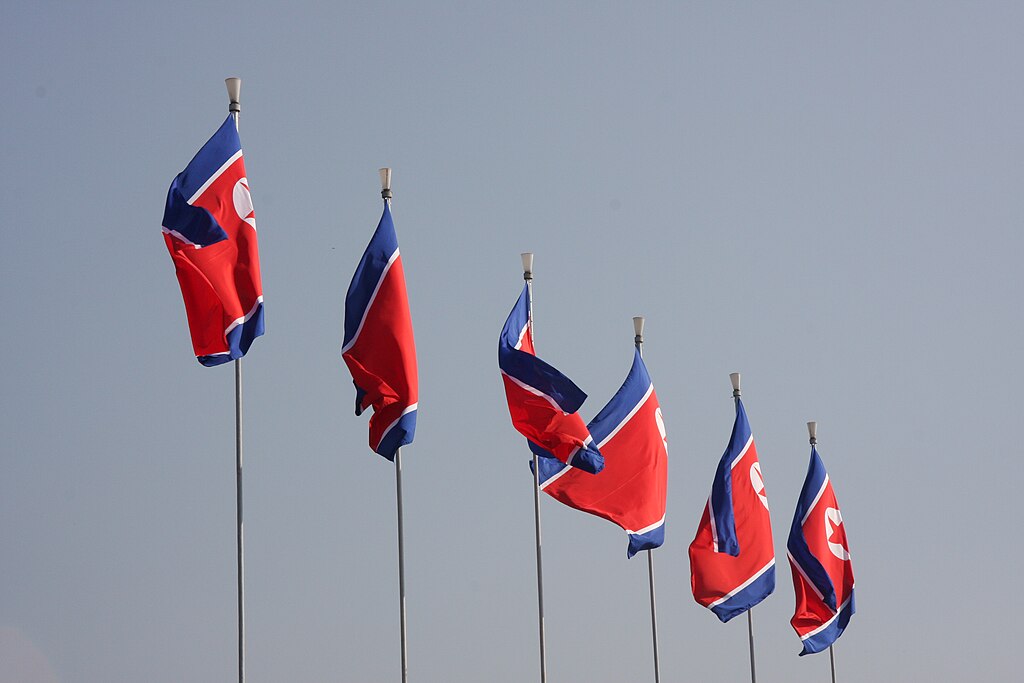
North Korea Warns South Korea Over US-Led Defense Role
Pezeshkian Says US Must Choose When Iran War Ends

Trump Asks Supreme Court to Restore Third-Country Deportations

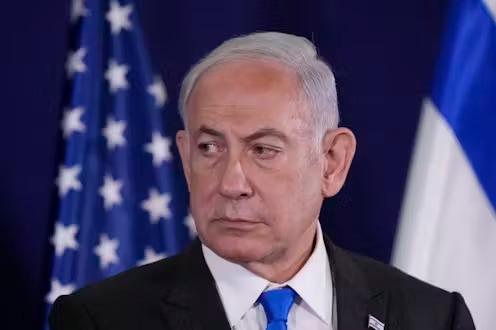
Netanyahu Defends Israel at UN as Delegates Stage Walkout

US Backs Musk in Fight Against EU’s €120 Million X Fine

Blue Origin New Glenn Explosion Could Delay Launch Operations Until 2028

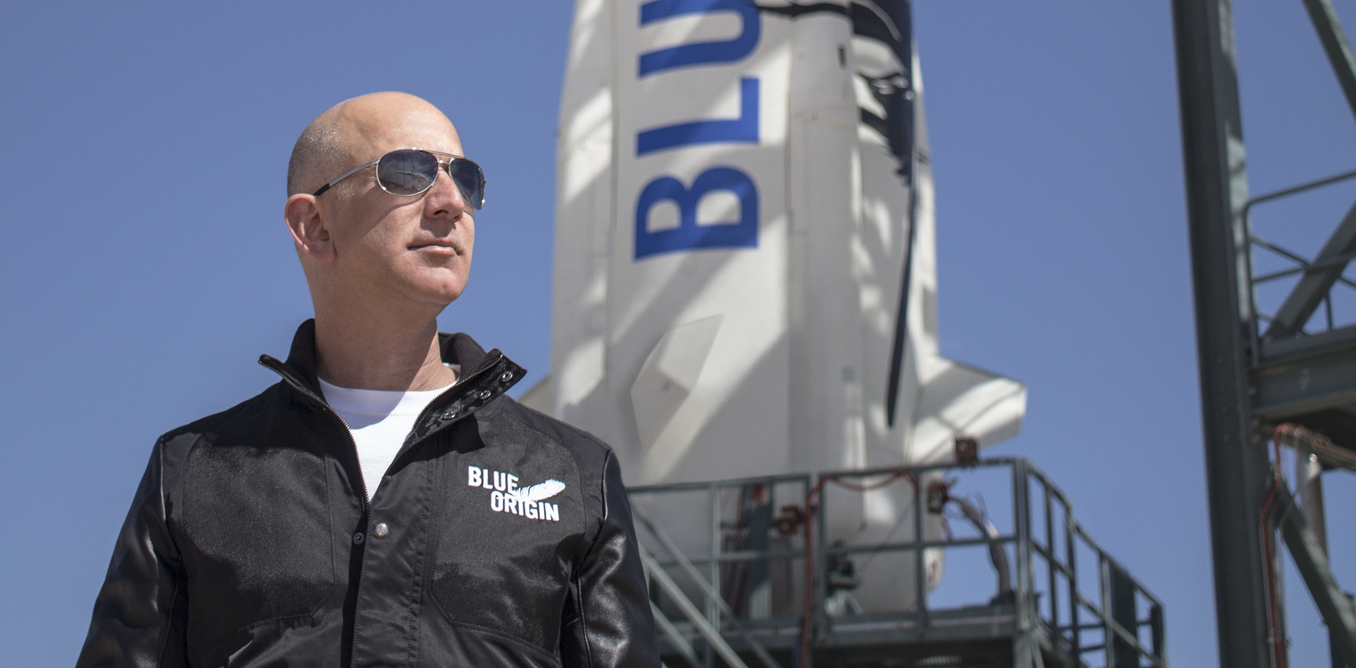
Blue Origin New Glenn Rocket Explodes During Launch Pad Test, Delaying Space Ambitions

SpaceX Delays Starship V3 Launch Ahead of Potential Record IPO

Trump Administration Releases New UFO Files and Apollo Mission Records

China vs. NASA: The New Moon Race and What's at Stake by 2030

Jeff Bezos Invests $32 Billion in Blue Origin as Space Firm Targets Major Growth
OpenAI to Preview GPT-6 Cyber AI Model for Cybersecurity

Former OpenAI Data Center Chief Chris Malone Joins Nvidia

Akamai Shares Surge on $11.6B Anthropic AI Cloud Deal

Oracle Shares Fall as New Mexico AI Data Center Faces Power Delays



- Market Data




