

 Menu
Menu

 Search

- News

- Economy

- Central Banks
- Investing
- Research
- Roundups
- Digital Currency
- Insights
- Technical Analysis
- Technology
- Business
- Law
- Health
- Nature
- Fintech
- Science
- Topic
- Opinions
- ©Econometrics LLC . All Rights Reserved.

Jonathan R. Beloff
Teaching Fellow, Department of Politics and International Studies, SOAS, University of London
My research explores the evolution of Rwanda's foreign policy from its use of the 'genocide guilt card' in orienting itself in the aftermath of the Genocide to its adoption of western discourses and practices around security and humanitarian intervention and pursuit of regional hegemony.
Following the 1994 Genocide, the liberating forces that formed the country's new government, led by Paul Kagame, focused its efforts on state security and on preventing a future genocide. As part of this policy, it sought out and fought against genocide perpetrators across the border in Zaire and later the Democratic Republic of Congo. Questionable acts undertaken in the course of this were justified by parts of the international community on the basis of its admission of guilt at not having intervened to stop the Rwandan Genocide in 1994; and the Rwandan government itself utilised the genocide guilt card to maximise its negotiations for aid from the West.
However, since the end of the Second Congo in 2003, Rwanda's foreign policy has oriented itself more towards state development than security. It accumulates political and economic power through its peacekeeping missions, interventions to secure regional stability, economic and governmental development. Based on its visible commitments to state development and regional peace initiatives, Rwanda has strengthened its strategic relationships with the Western powers with particular focus towards the United States.
It has moved away from its earlier reliance on the genocide guilt card, having accepted their responsibilities and failures in stopping the genocide, Rwanda's international donors became less susceptible to feelings of guilt, and challenged Rwanda to prove that it was prepared to orient itself to a brighter future, as a means of securing financial and political aid, and is fomenting a position of regional power and hegemony through its proven and ongoing track record as an agile negotiator and peace-keeper.

Black Earth Rising: a nuanced portrayal of Rwanda's complex post-genocide history
Nov 04, 2018 14:39 pm UTC| Insights & Views Entertainment
Portrayals of Rwandas recent history on TV and in film can often spark controversy. For many Rwandans, the central question is whether their country is being fairly presented, and if the programme promotes any form of...

Germany’s 2026 Growth Outlook Strengthens on Fiscal Spending

China Agrees to Buy 20 Million Tons of U.S. Coal

Oil Prices Fall on U.S.-Iran Hormuz Deal Hopes

Canadian Dollar Faces Pressure as Fed-BoC Policy Gap Widens

Japanese Yen Rebounds as Trump Flags Currency Weakness

South Africa Seeks US Talks Despite Visa Restrictions
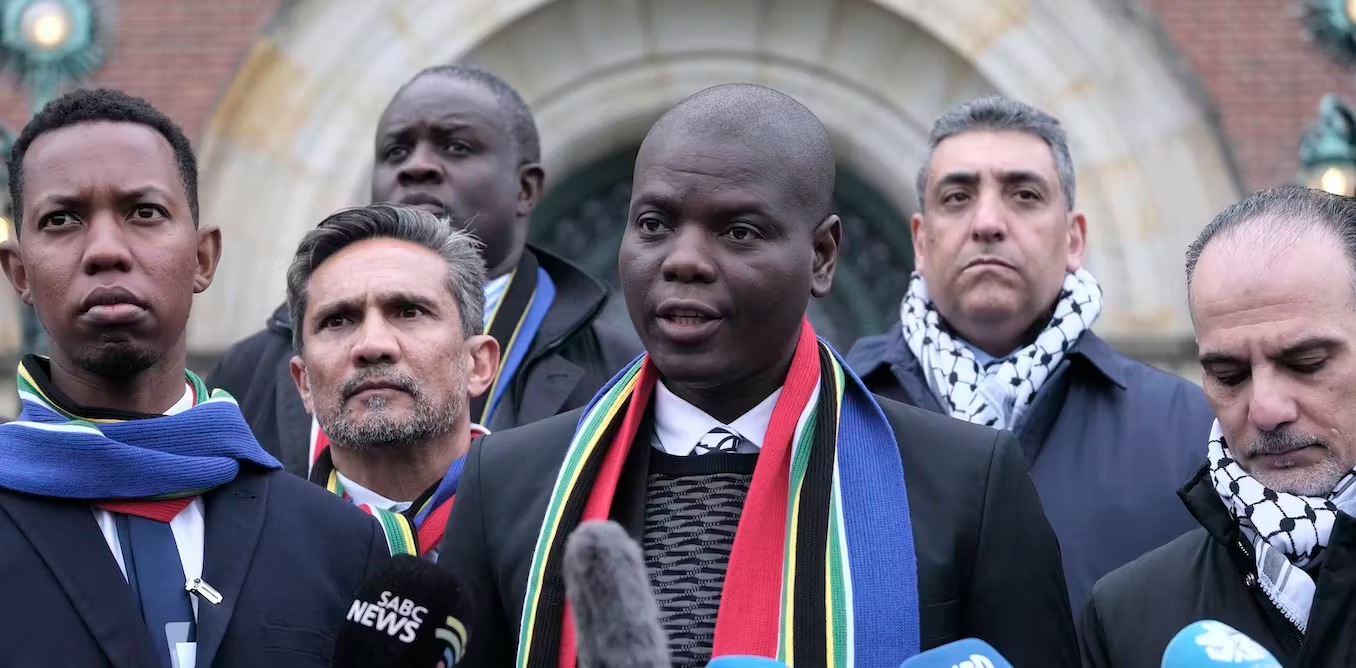
Taiwan Says U.S. Arms Sales Protect Chip Supply

Iran Awaits U.S. Response on Hormuz Ceasefire Proposal

Colombia Extradites FARC Dissident Leader ‘Spider’ to US

Evan Gershkovich Says FSB Set Trap for 2023 Russia Arrest

Blue Origin New Glenn Explosion Could Delay Launch Operations Until 2028

Blue Origin New Glenn Rocket Explodes During Launch Pad Test, Delaying Space Ambitions

SpaceX Delays Starship V3 Launch Ahead of Potential Record IPO

Trump Administration Releases New UFO Files and Apollo Mission Records

China vs. NASA: The New Moon Race and What's at Stake by 2030

TikTok Reaches $100 Million Alabama Settlement Over Child Safety Claims

OpenAI Agents Access U.S. Government Websites During Testing

AMD Hits $1 Trillion as BofA Raises Price Target to $720

US Appeals Court Upholds Anthropic AI Supply Chain Ban

Solidigm Eyes $150 Billion IPO as SK Hynix Expands AI Storage Push





- Market Data




