


 fnny Beta Launches With a Simple Idea: Find an Event, Show Up, Get Rewarded
  Hawkish Fed Fuels Gold Sell-off: Gold Dives Below $4300 Amidst Rate Hike Fears
  Gold Slides to $4,262 as Hawkish Fed Rate Hike Triggers Technical Breakdown
  FxWirePro- Crypto Weekly Alpha: ETF Rebounds, L2 Rallies & Key Resistance Levels
  AI is supercharging money scams – here’s what you can do to protect yourself
  Who should own the knowledge that underpins AI technology?


 Add as a preferred source on Google
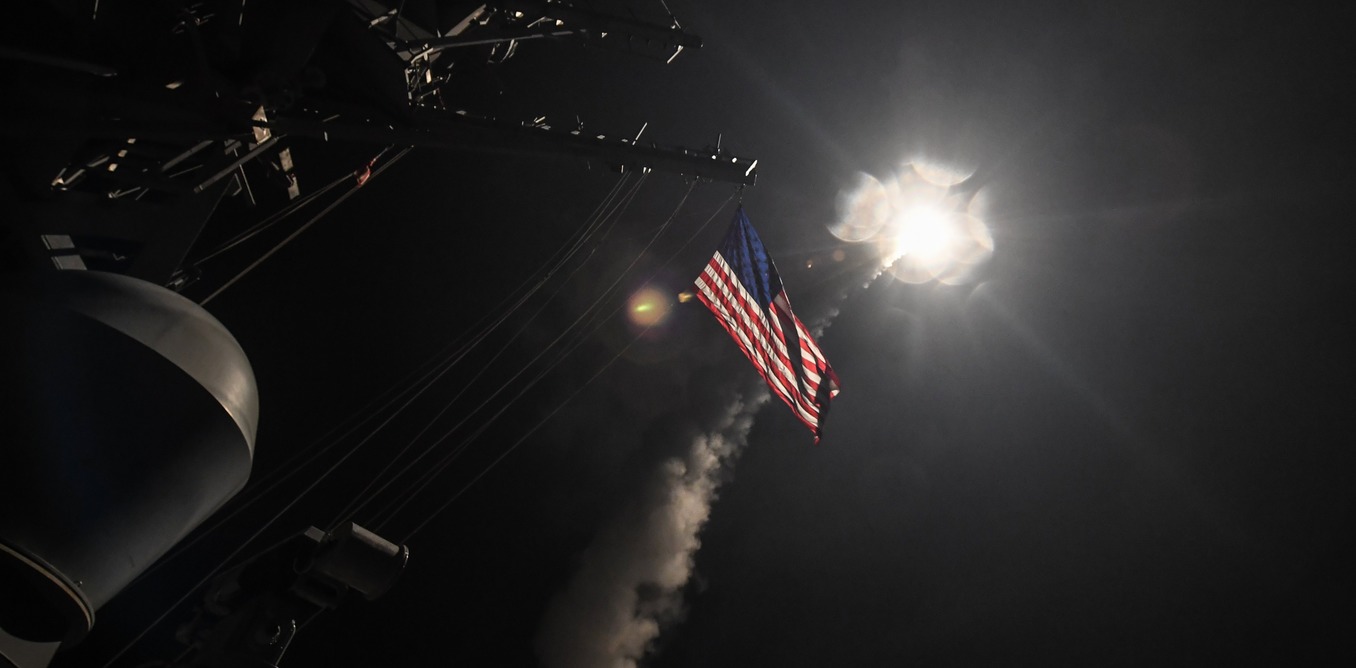

The Syrian people and their Muslim brothers and sisters have been screaming for help for years as crimes against humanity racked up against them and their kin. Yet the West has so far refused to intervene directly and decisively, even as the conflict deepened to the point of catastrophe. But by launching tomahawk missiles on a Syrian government air base, Donald Trump has now made it clear that this policy is at an end.
This is no bad thing. No, Trump’s bombs are not a substitute for a solution to the conflict, but they carried a simple and much-needed message: the US is on their side. To be clear, I am not “cheerleading a warmonger”, as Guardian columnist Owen Jones puts it. Nor do I support Trump, who has shown himself to be anything but a caring leader. But I support the result of these bombs – results that have gone largely unrecognised, in the West at least.
Everyday Syrians have dodged and died from bombs dropped by various nations for six years while Assad himself has been off limits. But, days after a heinous chemical attack claimed scores of lives, they have a clear signal that their cries for help are being heard, and that this war is no longer entirely in the hands of jihadists, dictators and rebels. These bombs are unlikely to save lives, or even prevent further chemical attacks by Assad – but as a signal, they amount to desperately-needed progress.
So far, the Western campaign against the so-called Islamic State (IS) has been waged remotely and from the air, with political and military risks kept to a minimum. But the barrage of drone attacks hasn’t just failed to destroy IS; it’s made the West look cowardly.
Loud and clear
That this has happened isn’t entirely shocking. Anyone looking at Syria, especially through social media, knows that this is a conflict of bitterly contested stories, sides and claims. Its complexity paralyses observers and governments, keeping them from taking decisive judgement and action. The upshot is that as happened in post-invasion Iraq and Afghanistan, the cost of Western reticence is shouldered by people on the ground.
While Trump’s strikes were more symbolic than strategic, they are nevertheless a rare display of Western solidarity. The architects of foreign and defence policy need to understand an awkward truth: there is a massive groundswell of grievances in the wider Muslim world against Western foreign policy, and as long as those sentiments go unaddressed, jihadists will be able to hijack them.
Groups such as IS and al-Qaeda are skilled at appropriating the suffering of others for propaganda purposes, knowing full well the West can never make a credible claim to be defending the interests of the Muslims of Palestine, Chechnya, Kashmir, and so on. Trump has, by design or not, taken one of the few measures to undermine the jihadist rhetoric doing the rounds.
Even purely symbolic gestures matter. Obama’s late-in-the-day swipe at Israeli settlements, while too little too late, at least showed that the US is watching, that its leaders do care to some extent, and that every now and again they might take the Palestinians’ side. That solidarity offers a desperately needed alternative narrative to the despair and rage of jihadism.
Trumps bombs and speeches about Syria’s “beautiful babies” hardly add up to sophisticated statecraft. But after years of inaction, with the US making little contribution to ending the suffering in Syria and elsewhere, that’s not the point. By no means does this make him the hero – but do not be surprised if many Syrians and Trump-haters identify in these missiles a rare glimmer of hope.
 Tom Smith previously received funding from DSTL for separate research into Syria in 2016.







