


 Trump Vows to Keep U.S. Ahead of China in AI Race
  China’s robots can run faster than Usain Bolt – now they are being prepared for war
  SoftBank Shares Plunge 11% After OpenAI Rules Out 2026 IPO
  What is Zionism? The different meanings of a contested term
  China’s Global Times Slams Anthropic CEO’s AI Slowdown Plan as ‘Cold War’ Strategy
  Who should own the knowledge that underpins AI technology?
  Supertanker Orders Surge as US-Iran War Reshapes Oil Trade
  Synthetic data could ease people’s concerns about privacy breaches. But who gets to create it?
  Trump Rejects Calls for Tougher AI Regulation
  SoftBank Shares Jump 8% as SB Energy IPO Optimism Builds
  AI is supercharging money scams – here’s what you can do to protect yourself


 Add as a preferred source on Google
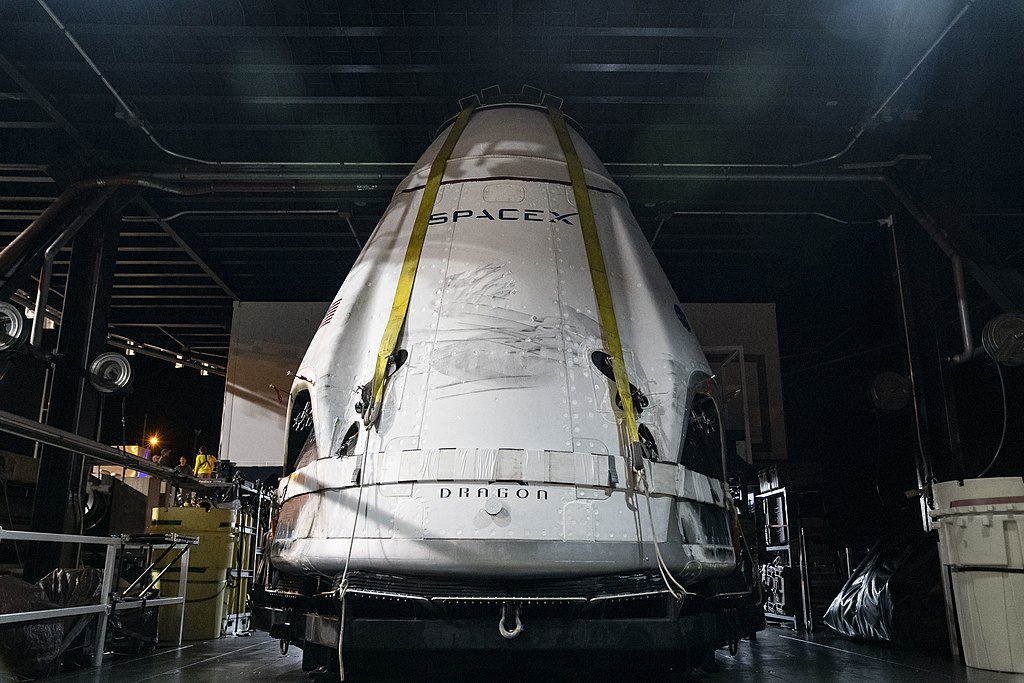
Space Exploration Technologies Corp. (NASDAQ: SPCX) is set to release its first quarterly earnings report on August 4, but Bernstein believes investors should focus less on the financial results and more on management’s confidence in the company’s long-term growth strategy. The investment firm recently initiated coverage of SpaceX with an Outperformrating and a $239 price target, highlighting four major factors that could shape the company's future valuation.
Bernstein views rapid Starship reusability as the most critical milestone. Its forecast assumes SpaceX will complete around 3,600 launches in 2031, a target that requires full reusability of both Starship stages. While the company has successfully landed Starship V2 boosters, V3 boosters have yet to achieve the same milestone. Despite engine issues during Launch 13 on July 20, Bernstein expects reusable booster operations to become a reality over time. Achieving the projected launch cadence would also require at least daily launches and significant expansion of launch infrastructure beyond the current and planned sites.
Another major challenge is securing enough semiconductor capacity to support SpaceX’s satellite ambitions. Bernstein estimates the company may need roughly 20 gigawatts of additional orbital capacity by 2031, requiring nearly 170,000 satellites, around 2.8 million semiconductor wafers annually, and approximately 50,000 wafer starts per month. Meeting that demand could require five dedicated semiconductor fabrication plants costing more than $160 billion over several years.
Regulatory approval also remains a key risk. SpaceX has not yet received clearance for orbital Starship flights, although the FAA has signaled a willingness to ease certain launch restrictions. Bernstein believes future environmental reviews, launch frequency limits, and varying international telecommunications regulations could still slow the company's expansion, particularly under a less supportive political environment.
Finally, Bernstein highlighted compute capacity as another long-term uncertainty. Elon Musk has discussed launching up to one terawatt of computing power into orbit annually, but Bernstein said the current roadmap remains far smaller. The firm noted that SpaceX’s orbital data center ambitions will depend on securing enormous computing resources and questioned whether the industry's current AI-driven infrastructure buildout could eventually create more cost-effective alternatives.







