


 Trump, Xi Focus on Trade and AI at White House Summit
  US Backs Musk in Fight Against EU’s €120 Million X Fine
  Pezeshkian Says US Must Choose When Iran War Ends
  North Korea Rejects Nuclear Test Warning, Calls Nuclear Status Irreversible
  Putin Says Ukraine Peace Proposals Remain on Table
  Iran Rejects Nuclear Concessions in Hormuz Deal
  Ukrainian Drone Attacks Hit Russian Regions, Injuring at Least 12
  Xi Calls for Deeper U.S.-China AI Cooperation in Trump Talks
  Pope Leo Backs Press Freedom After White House Media Ban
  Trump Warns China Against Supporting Iran in Xi Talks
  Saudi Arabia Seeks Military Support as Houthi Attacks Escalate
  US Comfortable With Canada Trade Standoff as Import Bans Loom
  What ‘Taiwan Independence’ Means as Xi Presses Trump on US Policy
  US Supreme Court Revives Trump Administration Voter Citizenship Database
  Kremlin Says No Decision Yet on Putin-Trump December Summit
  Trump, Xi Visit US National Archives After White House Summit
  Abbas Reaffirms November 28 Palestinian Elections


 Add as a preferred source on Google
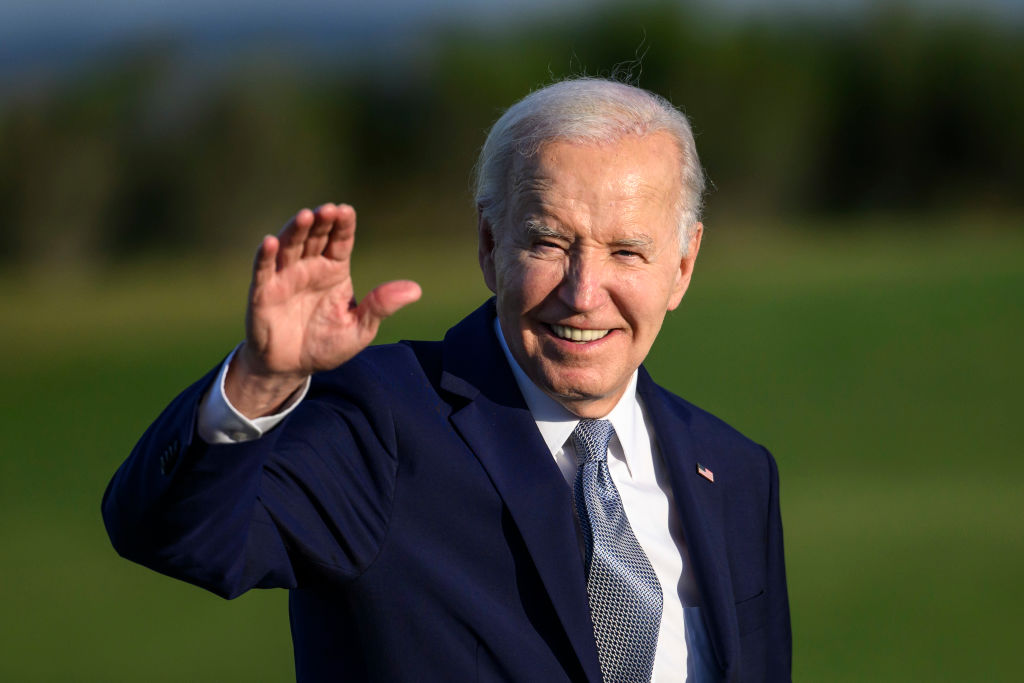
The White House announced plans to send an additional $2.5 billion in military aid to Ukraine, a significant escalation in U.S. support as the Eastern European nation continues its defense against Russian aggression. The decision has reignited debates domestically and internationally over the allocation of resources and America’s role in the ongoing conflict.
Details of the Aid Package
The aid package, revealed on Thursday, includes advanced weaponry, munitions, and logistical support aimed at bolstering Ukraine’s counteroffensive capabilities. Among the items listed are Patriot missile systems, HIMARS rocket launchers, and precision-guided artillery shells. According to the Pentagon, the package is designed to enhance Ukraine’s defensive and offensive operations during the winter months.
President Joe Biden emphasized the importance of the aid, stating, “This is about defending freedom and democracy against unprovoked aggression. We stand with Ukraine and will continue to support its sovereignty.”
White House officials have framed the assistance as critical to maintaining global stability and deterring further Russian aggression. Critics, however, question whether such significant spending is sustainable or appropriate given domestic challenges like inflation, housing shortages, and health care access.
Criticism and Support Divide Public Opinion
The announcement has drawn mixed reactions across political lines. Supporters argue that aiding Ukraine is a moral and strategic imperative, while detractors criticize the hefty price tag, citing pressing issues at home.
Senator Mitch McConnell (R-Ky.) expressed bipartisan support, stating, “Helping Ukraine defends our values and strengthens our alliances.” Conversely, Representative Marjorie Taylor Greene (R-Ga.) lambasted the move, tweeting, “America First means taking care of Americans, not sending billions overseas while our own people suffer.”
Social Media Reactions Highlight Polarized Views
The latest aid package sparked heated discussions across social media, with users voicing both support and dissent.
Twitter user @FreedomFighterUSA praised the move, writing, “Standing with Ukraine is standing for global democracy. We can’t let tyranny win.” Conversely, @TaxpayerSOS tweeted, “Another $2.5 billion while Americans struggle to pay rent? Where’s the aid for us?”
Other users called for a more balanced approach. @GlobalRealist posted, “Support Ukraine, but let’s not forget about domestic priorities. We can’t ignore our own crises.” Meanwhile, @WorldPeaceNow argued, “We need diplomacy, not endless arms shipments. Wars don’t end by escalating violence.”
Some reactions reflected frustration over accountability. @BudgetHawkUSA tweeted, “Who’s tracking how this money is spent? Americans deserve transparency on where their tax dollars go.” On the other hand, @DefendAllies stated, “This aid isn’t charity—it’s an investment in preventing a broader war.”
What’s Next for U.S.-Ukraine Relations?
As the Biden administration doubles down on military support, questions loom over the long-term implications of sustained aid to Ukraine. While the assistance strengthens Ukraine’s ability to defend itself, it also strains U.S. resources and tests public patience.
The decision underscores Washington’s commitment to its NATO allies and democratic principles but has further fueled debates over the balance between international obligations and domestic needs.







