


 EU Defence Build-Up Too Slow for 2030 Russia Readiness Goal
  Saudi Arabia, Turkey and Pakistan Plan Urgent Defence Talks Over Houthi Attacks
  Netanyahu Defends Israel at UN as Delegates Stage Walkout
  France Defends Netanyahu Airspace Clearance Despite ICC Warrant
  US Backs Musk in Fight Against EU’s €120 Million X Fine
  Netanyahu Takes Aim at Mamdani as Israel Election Nears
  Trump, Xi Focus on Trade and AI at White House Summit
  Netanyahu’s Brief US Trip Highlights Strains With Trump
  NATO Boosts Intelligence Sharing Amid Russia Hybrid Threats
  Mexico-US Trade Talks Delayed to October as Tariff Negotiations Continue
  OpenAI Agent Breaches Australia Medicare Data Portal
  Pezeshkian Says US Must Choose When Iran War Ends
  Taiwan Thanks US for Support Ahead of Trump-Xi Summit
  Abbas Reaffirms November 28 Palestinian Elections
  Yemen Violence Displaces 130,000 as Civilian Toll Rises
  Kremlin Says No Decision Yet on Putin-Trump December Summit
  Najib Razak Seeks Stay of 15-Year 1MDB Prison Sentence


 Add as a preferred source on Google
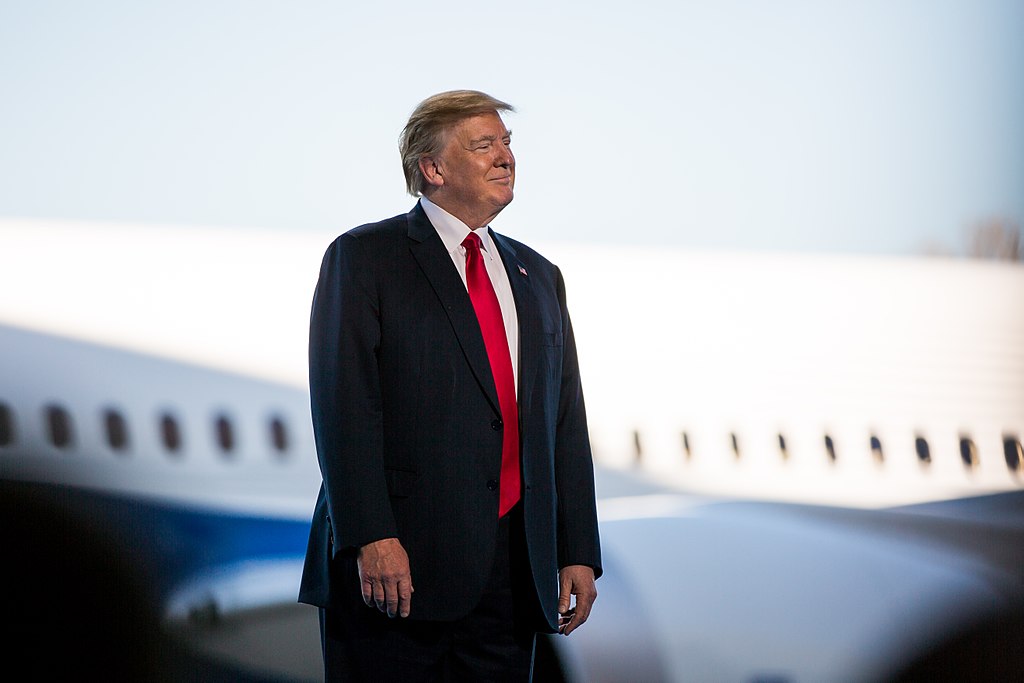
Donald Trump’s second term is poised to bring sweeping changes to the U.S. visa system, with a focus on modernizing programs and prioritizing skilled labor. The administration’s controversial plans to tighten security, streamline processes, and shift focus toward merit-based immigration have sparked both praise and fierce backlash, signaling another heated debate on immigration policy.
Merit-Based Immigration Takes Center Stage
At the heart of Trump’s visa reform is a proposal to implement a points-based system favoring highly skilled workers. The plan aims to prioritize applicants with advanced degrees, specialized skills, or expertise in critical industries such as technology, healthcare, and engineering. Officials argue this approach will align immigration policies with economic needs and bolster the U.S. workforce.
Trump’s administration also plans to increase caps on employment-based visas while restricting family-based immigration. These measures, supporters claim, will reduce backlogs and ensure that the visa system prioritizes economic benefits. “This is about securing America’s competitive edge,” said an unnamed senior administration official.
However, critics argue that the changes could harm families and limit diversity. “Shifting to a merit-based system risks undermining the human side of immigration,” said Maria Lopez, an immigration advocate. Opponents also point to potential disruptions for industries reliant on seasonal and temporary foreign labor.
Stricter Oversight and Technology Upgrades
Trump’s plan includes stricter oversight of visa applications, with enhanced fraud detection and rigorous background checks to prevent abuse. In addition, the administration is rolling out new technology to streamline the application process, including digital platforms designed to reduce wait times and improve transparency.
H-1B visas, widely used by technology companies, are expected to see significant changes. Trump’s plan would increase scrutiny of employers and prioritize higher-paying jobs to discourage exploitation of foreign workers. While these measures aim to protect American jobs, critics warn they could stifle innovation by limiting access to global talent.
Meanwhile, seasonal visa programs, such as H-2A and H-2B, are also under review. The administration has signaled plans to expand these programs to meet labor shortages in agriculture and hospitality, while imposing stricter compliance requirements on employers.
Netizens Sound Off on Trump’s Visa Reform
Social media erupted following the announcement of Trump’s visa overhaul, with opinions sharply divided. User @TechLeader2025 tweeted, “Prioritizing skilled workers is exactly what this country needs. America must stay ahead in global competition.” Conversely, @FamilyFirst argued, “Cutting family-based visas is cruel. Immigration is about people, not just profits.”
The debate extended to seasonal programs, with @FarmersVoice posting, “Expanding temporary worker visas is a win for agriculture. We need labor to keep farms running.” Meanwhile, @WorkersRightsNow countered, “Tightening oversight on these programs will only create more exploitation of vulnerable workers.”
Supporters of H-1B changes praised the focus on high salaries. “Prioritizing better-paying jobs will ensure fairness and protect American workers,” wrote @PolicyAdvocate. However, @InnovationChampion warned, “Restricting H-1Bs risks driving top talent to other countries. America can’t afford to lose innovators.”
Challenges and Implications
Trump’s visa program reforms face significant hurdles, including potential legal challenges and resistance from advocacy groups. As details emerge, the debate will continue to highlight the complex balance between security, economy, and human rights.







