


 Mexico-US Trade Talks Delayed to October as Tariff Negotiations Continue
  Trump, Xi Visit US National Archives After White House Summit
  Kremlin Says No Decision Yet on Putin-Trump December Summit
  Abbas Reaffirms November 28 Palestinian Elections
  What ‘Taiwan Independence’ Means as Xi Presses Trump on US Policy
  Taiwan Thanks US for Support Ahead of Trump-Xi Summit
  Pezeshkian Says US Must Choose When Iran War Ends
  NATO Boosts Intelligence Sharing Amid Russia Hybrid Threats
  North Korea Rejects Nuclear Test Warning, Calls Nuclear Status Irreversible
  Ukrainian Drone Attacks Hit Russian Regions, Injuring at Least 12
  North Korea Warns South Korea Over US-Led Defense Role
  Netanyahu Defends Israel at UN as Delegates Stage Walkout
  Xi Calls for Deeper U.S.-China AI Cooperation in Trump Talks
  Netanyahu’s Brief US Trip Highlights Strains With Trump
  Netanyahu Takes Aim at Mamdani as Israel Election Nears
  Saudi Arabia, Turkey and Pakistan Plan Urgent Defence Talks Over Houthi Attacks
  Judge Orders Trump to Restore White House Access for CNN, MS NOW and Politico


 Add as a preferred source on Google
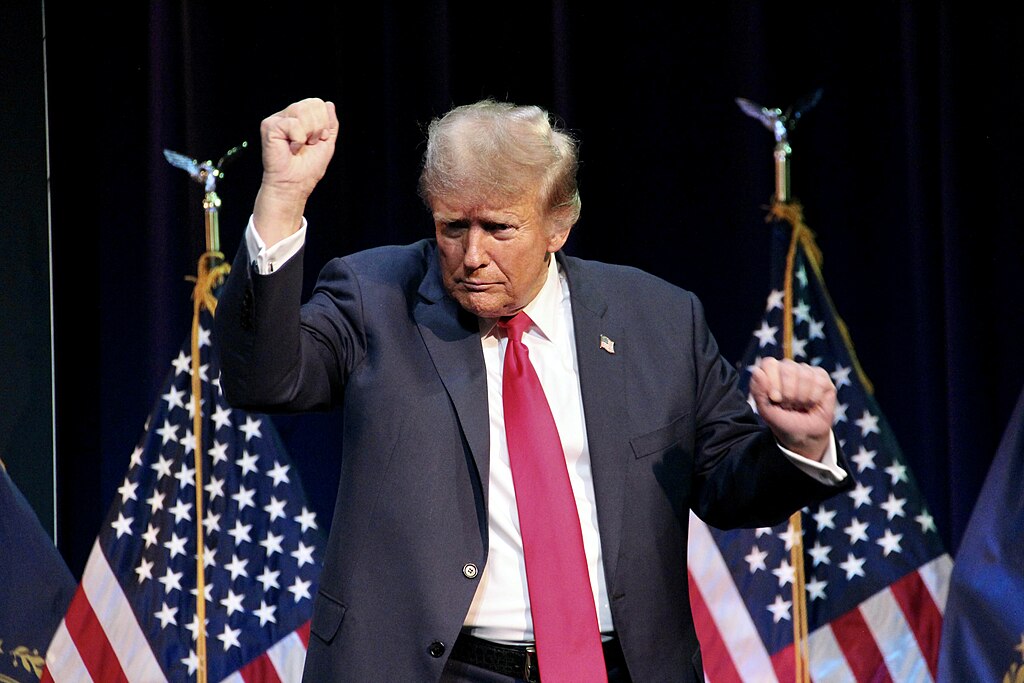
Donald Trump is reigniting his signature promise with an ambitious plan to expand the U.S.-Mexico border wall in 2025. His administration aims to construct hundreds of additional miles of barrier while implementing advanced security measures, a move that has drawn sharp criticism from opponents and fervent support from his base.
Ambitious Construction Goals and Advanced Technology
Trump’s proposed expansion focuses on completing unfinished sections of the border wall while extending it into previously untouched areas. The administration has earmarked billions of dollars for the project, with funding expected to come from a combination of congressional appropriations and reallocated federal resources.
In addition to physical barriers, Trump’s plan includes deploying cutting-edge technology such as surveillance drones, thermal imaging cameras, and artificial intelligence to detect and deter illegal crossings. Administration officials argue that integrating technology with the wall will create a “virtual shield” against unauthorized entry.
Supporters of the plan view it as a necessary step toward national security. “The border wall is about more than politics—it’s about protecting Americans,” said policy analyst James Carter. However, critics have raised concerns about the environmental and humanitarian impacts of the project, with some calling it an expensive and ineffective solution to a complex problem.
Legal Hurdles and Land Acquisition Challenges
Trump’s border wall expansion faces significant legal and logistical obstacles. Acquiring private land for construction in border regions is expected to result in lengthy court battles. Furthermore, environmental activists have vowed to fight the administration over the potential destruction of wildlife habitats and natural resources.
Despite these challenges, Trump has pledged to fast-track construction through executive actions and regulatory waivers. “We won’t let bureaucratic red tape stand in the way of securing our borders,” said a senior administration official.
Opponents argue that these measures undermine legal protections and due process. “This isn’t just about a wall—it’s about the erosion of our democratic principles,” said Maria Lopez, an immigration rights advocate.
Netizens React to Trump’s Border Wall Plans
Trump’s renewed push for a border wall has set social media ablaze, with opinions sharply divided. User @BuildTheWallNow tweeted, “Trump is delivering on his promise! A strong wall means a safer America. Let’s get it done!” Conversely, @NoMoreWalls argued, “The wall is a waste of money and won’t solve the root causes of immigration. We need real reform.”
Others weighed in on the environmental impact. “This project will destroy fragile ecosystems along the border. We need to protect, not pave over,” wrote @EcoWarrior2025. Meanwhile, @SecurityFirst countered, “National security should always come first. Protecting our borders is worth the investment.”
Debates over the wall’s effectiveness also surfaced. “Technology and manpower work better than a wall. This is 2025, not the Middle Ages,” commented @PolicyRealist. On the other hand, @BorderStrong wrote, “A physical barrier sends a clear message: our borders are closed to illegal crossings.”
The Path Ahead
As Trump moves forward with his border wall expansion, the nation remains deeply divided. Supporters view it as a critical step toward national security, while opponents see it as a misguided and costly endeavor. Legal battles and public protests are likely to shape the project’s trajectory in the months ahead.







