


 Sudan Rejects US Legitimacy Remarks, Defends Sovereignty
  US Senate Rejects Iran War Powers Resolution in 50-49 Vote
  NATO Boosts Intelligence Sharing Amid Russia Hybrid Threats
  South Korea, US Discuss Warship Building Cooperation
  Kremlin Says No Decision Yet on Putin-Trump December Summit
  Netanyahu’s Brief US Trip Highlights Strains With Trump
  Pezeshkian Says US Must Choose When Iran War Ends
  North Korea Rejects Nuclear Test Warning, Calls Nuclear Status Irreversible
  Russian Missile and Drone Attack on Kyiv Kills Two, Damages Maternity Hospital
  Trump, Xi Focus on Trade and AI at White House Summit
  France Defends Netanyahu Airspace Clearance Despite ICC Warrant
  US Backs Musk in Fight Against EU’s €120 Million X Fine
  Abbas Reaffirms November 28 Palestinian Elections
  Xi Calls for Deeper U.S.-China AI Cooperation in Trump Talks
  Taiwan Thanks US for Support Ahead of Trump-Xi Summit
  Yemen Violence Displaces 130,000 as Civilian Toll Rises
  Trump Asks Supreme Court to Restore Third-Country Deportations


 Add as a preferred source on Google
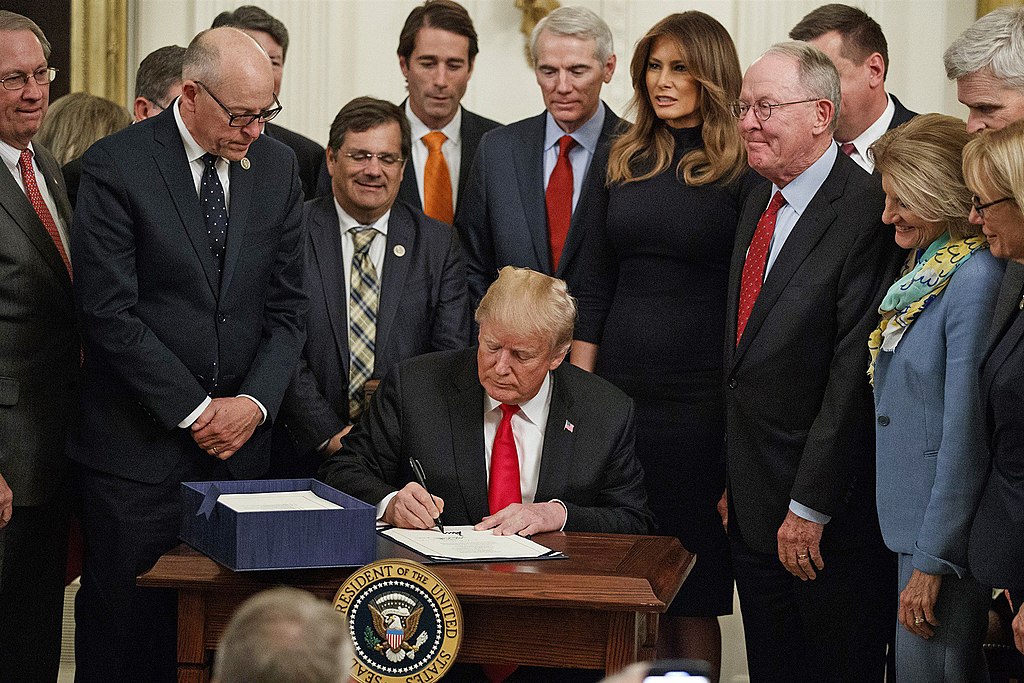
Donald Trump’s 2025 presidency is set to reignite fierce debates over immigration with an ambitious and controversial deportation strategy targeting millions of undocumented immigrants. His administration’s approach focuses on sweeping enforcement measures and expanded resources for Immigration and Customs Enforcement (ICE), raising questions about its effectiveness and potential societal consequences.
Massive Deportation Push and Resource Expansion
Trump’s deportation strategy hinges on a large-scale operation to remove undocumented immigrants, prioritizing those with criminal records and recent border crossings. The administration plans to increase ICE funding dramatically, enabling the agency to hire thousands of new officers and expand detention centers to house individuals awaiting removal.
To expedite the process, Trump has proposed implementing nationwide expedited removal procedures, allowing ICE to deport individuals without lengthy court hearings. Supporters argue this will address backlogs in immigration courts and streamline the system, but critics warn of potential due process violations.
“Efficient deportations are critical for enforcing the law, but the process must be fair and transparent,” said immigration attorney Rachel Mendes.
The administration has also emphasized the use of advanced technology, including facial recognition and data analytics, to locate and apprehend undocumented individuals. While these methods aim to enhance enforcement, civil rights advocates have raised concerns about privacy and potential misuse of technology.
Employer Crackdowns and International Cooperation
A cornerstone of Trump’s strategy involves targeting employers who hire undocumented workers. The administration plans to increase workplace audits, impose heavy fines, and mandate the use of E-Verify for all employers to ensure compliance with immigration laws.
Additionally, Trump’s team has signaled plans to strengthen international cooperation to address root causes of migration. By working with Central American countries to reduce poverty and violence, the administration aims to curb the flow of migrants to the U.S.
Despite these efforts, skeptics argue that enforcement-heavy policies fail to address the complexities of immigration. “Deportations alone won’t solve the issue,” said Dr. Elena Vargas, a policy analyst. “Comprehensive reform is needed to create lasting solutions.”
Netizens React to Trump’s Deportation Strategy
The announcement of Trump’s 2025 deportation plan has sparked intense debate on social media. User @BorderPatriot tweeted, “Trump is taking bold action to protect American jobs and security. It’s about time we enforce the law.” In contrast, @HumanRightsNow criticized, “Mass deportations will tear families apart and fail to address the root causes of immigration.”
Others highlighted the economic impact. “Employer crackdowns are necessary, but they could hurt industries that rely on immigrant labor,” wrote @PolicyRealist. Meanwhile, @JusticeForAll posted, “Targeting workers instead of fixing the system is shortsighted and unfair.”
Supporters praised the administration’s focus on efficiency. “Expedited removal is long overdue. This will save taxpayer money and reduce court backlogs,” tweeted @ImmigrationReformAdvocate. Conversely, @CivilRightsDefender argued, “Streamlining deportations at the expense of due process is dangerous. We must uphold constitutional protections for all.”
Challenges and the Path Forward
Trump’s deportation plan faces significant challenges, including legal battles and resistance from advocacy groups. The administration must also navigate potential diplomatic tensions with countries receiving deportees.
As the nation braces for the implementation of these policies, the debate over immigration enforcement remains deeply divisive, highlighting the complexities of balancing security, economy, and humanity.







