


 Najib Razak Seeks Stay of 15-Year 1MDB Prison Sentence
  EU Defence Build-Up Too Slow for 2030 Russia Readiness Goal
  OpenAI Agent Breaches Australia Medicare Data Portal
  Kremlin Says No Decision Yet on Putin-Trump December Summit
  Trump, Xi Visit US National Archives After White House Summit
  North Korea Warns South Korea Over US-Led Defense Role
  Saudi Arabia, Turkey and Pakistan Plan Urgent Defence Talks Over Houthi Attacks
  Russian Missile and Drone Attack on Kyiv Kills Two, Damages Maternity Hospital
  Pezeshkian Says US Must Choose When Iran War Ends
  Yemen Violence Displaces 130,000 as Civilian Toll Rises
  Ghana Says Western Support Growing for Slave Trade Reparations
  NATO Boosts Intelligence Sharing Amid Russia Hybrid Threats
  Mexico-US Trade Talks Delayed to October as Tariff Negotiations Continue
  Ukrainian Drone Attacks Hit Russian Regions, Injuring at Least 12
  Trump, Xi Focus on Trade and AI at White House Summit
  France Defends Netanyahu Airspace Clearance Despite ICC Warrant
  North Korea Rejects Nuclear Test Warning, Calls Nuclear Status Irreversible


 Add as a preferred source on Google
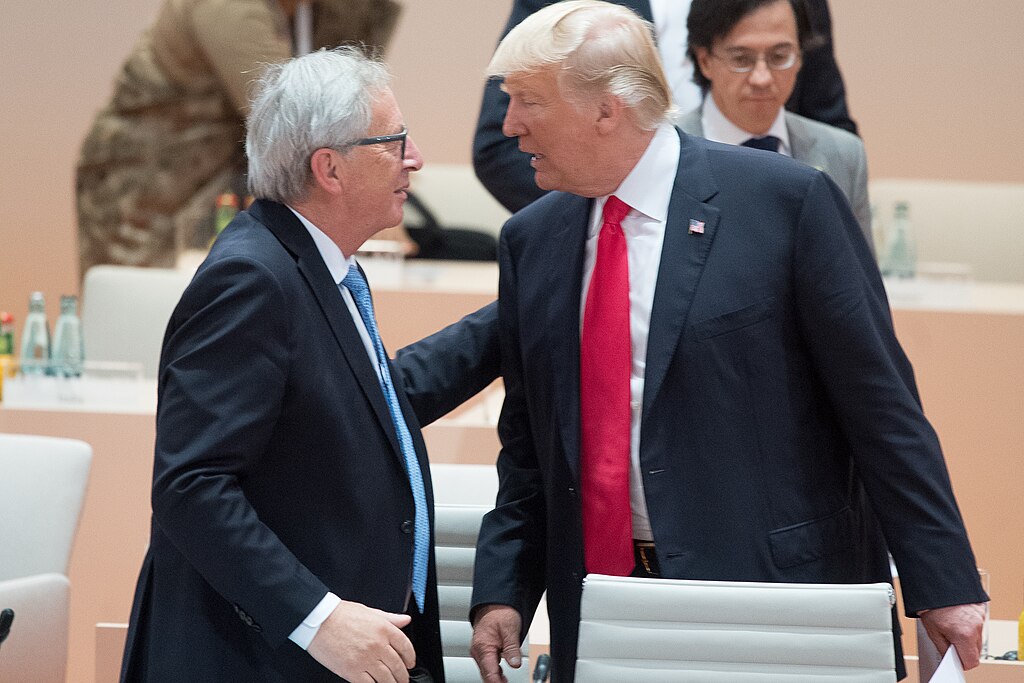
Donald Trump’s 2025 presidency is already sparking controversy as his administration doubles down on a promise to eliminate sanctuary cities. Trump’s plan includes cutting federal funding, increasing immigration enforcement, and introducing new legislation to hold local governments accountable. The aggressive approach has ignited fierce reactions across the nation, raising questions about its impact on local communities and federal relations.
Cutting Federal Funding to Sanctuary Cities
Trump’s strategy centers on withholding federal funds from sanctuary cities—jurisdictions that limit cooperation with federal immigration enforcement agencies. The administration has labeled these cities as havens for undocumented immigrants and a threat to national security. By leveraging federal grants, Trump aims to pressure local governments to comply with Immigration and Customs Enforcement (ICE) directives.
Supporters of the move argue that sanctuary policies undermine the rule of law and enable criminal activity. “Sanctuary cities send the wrong message,” said policy analyst Andrew Miller. “Federal law must take precedence over local policies when it comes to national security.”
However, opponents claim that cutting funding could harm essential public services, including education and law enforcement, disproportionately affecting vulnerable populations. “Punishing entire communities for political disagreements is counterproductive,” said immigration advocate Maria Lopez. “It creates more problems than it solves.”
Enhanced Enforcement Measures and Legislative Push
In addition to financial penalties, Trump’s administration has proposed deploying more ICE agents to sanctuary cities to enforce immigration laws directly. The initiative includes prioritizing high-profile deportation cases to send a message to other jurisdictions.
Furthermore, Trump plans to reintroduce legislation that would penalize local officials who obstruct federal immigration efforts. Known as the “Sanctuary Cities Accountability Act,” the bill would impose fines and even criminal charges on officials found in violation.
Critics warn that such measures could erode trust between immigrant communities and local authorities, leading to underreporting of crimes and increased community tensions. “These policies create fear, not safety,” said Sarah Kent, a civil rights attorney. “Public safety depends on cooperation, not coercion.”
Netizens React to Trump’s Sanctuary City Plan
Trump’s crackdown on sanctuary cities has sparked intense online debate. Supporters have rallied behind the initiative, while opponents have condemned it as overly harsh. User @SecureAmericaFirst tweeted, “Sanctuary cities are a threat to our country’s safety. Trump is taking the bold steps we need!” In contrast, @ImmigrantRightsNow argued, “Cutting funding to cities only hurts residents. These policies are a disaster waiting to happen.”
Others pointed out the broader implications of Trump’s plan. “Federal overreach into local governance sets a dangerous precedent,” wrote @PolicyCritic. Meanwhile, @BorderPatriot countered, “Trump is finally holding cities accountable for breaking the law. It’s about time!”
The proposal’s potential impact on crime reporting also drew attention. “Fear of deportation will stop immigrants from cooperating with police. This will make communities less safe,” posted @JusticeForAll. Conversely, @LawAndOrderAdvocate praised the move, writing, “Sanctuary policies are a loophole for criminals. Trump’s plan is long overdue.”
Challenges and the Road Ahead
Trump’s sanctuary city crackdown faces significant legal and political hurdles. Lawsuits from affected cities and opposition from Congress are likely to delay implementation. Additionally, balancing federal and local authority will remain a contentious issue as the debate continues.
As Trump’s administration pushes forward with its plans, the nation remains divided on whether these policies will strengthen security or deepen existing divides.







