


 Oil Prices Jump 3% as Houthi Attack Revives Supply Fears
  US Stock Futures Fall as Treasury Yields Surge Ahead of Trump-Xi Summit
  US 10-Year Treasury Yield at 6% Emerges as New Market Risk Threshold
  Russian Envoy Dmitriev Heads to US for Ukraine Talks
  European Stocks Fall as Bond Yields and Geopolitical Risks Weigh
  Asian Stocks Fall as Surging Bond Yields Rattle Markets
  Mexico-US Trade Talks Delayed to October as Tariff Negotiations Continue
  Trump, Xi Focus on Trade and AI at White House Summit
  Oil Prices Surge as U.S.-Iran Diplomacy Hopes Fade
  South Korea, US Discuss Warship Building Cooperation
  Japan Private-Sector Growth Slows as Domestic Demand Weakens
  Wall Street Ends Flat as Oil, Treasury Yields and Fed Jitters Rattle Markets
  Gold Holds Near $4,275 as Rising Treasury Yields Fuel Fed Rate Hike Bets
  Oil Prices Ease as Iran Tensions Clash With Diplomacy Hopes
  U.S. Dollar Hits Two-Month High as Oil, Treasury Yields Surge
  Wall Street Falls as Treasury Yields Surge, Oil Rebounds on Iran Tensions
  Soybean Futures Slip as Traders Await Trump-Xi Trade Signals


 Add as a preferred source on Google
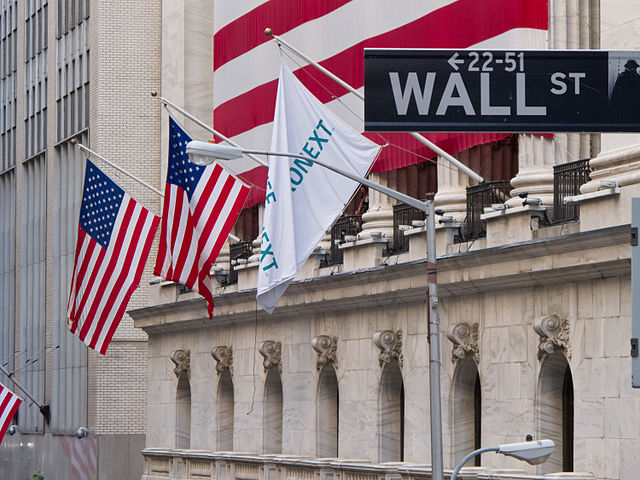
U.S. stock markets ended mostly lower on Thursday as investors reacted cautiously to a fresh round of corporate earnings and growing concerns over whether massive artificial intelligence investments will generate meaningful returns for mega-cap technology companies. While the major indexes recovered some of their intraday losses, weakness in the technology sector ultimately weighed on overall market performance.
The S&P 500 and the Nasdaq Composite both closed in the red, pressured by sharp declines in leading software and cloud stocks. Microsoft emerged as the biggest drag on the S&P 500, with shares plunging 10% after its cloud revenue growth failed to meet expectations. The results intensified investor worries that heavy spending tied to its OpenAI partnership may not be paying off quickly enough. Broader concerns about the profitability of AI investments rippled across the sector, sending SAP’s U.S.-listed shares down 15% after a cautious cloud outlook and pushing ServiceNow nearly 10% lower following its earnings report.
Market sentiment was further dampened by macroeconomic and geopolitical uncertainties. Investors are increasingly defensive amid questions about future Federal Reserve leadership, the timing and scale of interest rate cuts, potential political tensions involving Iran and Greenland, and the risk of a U.S. government shutdown. These factors have contributed to a “risk-off” mood, particularly for growth-oriented technology stocks.
The Dow Jones Industrial Average bucked the broader trend, inching up 0.11% to close at 49,071.56, supported by gains in industrial and financial stocks. The S&P 500 slipped 0.13% to 6,969.01, while the Nasdaq Composite fell 0.72% to 23,685.12. Technology was the worst-performing sector, declining 1.9%.
Not all mega-cap stocks struggled. Meta Platforms surged more than 10% after issuing a strong revenue forecast, despite announcing a sharp increase in capital expenditures. Apple shares were volatile in late trading after beating revenue estimates, helped by a rebound in China demand. Elsewhere, energy stocks rose alongside higher oil prices, while companies such as IBM, Caterpillar, Mastercard, and Lockheed Martin posted solid gains following upbeat earnings reports.
Overall trading volume was well above average, reflecting heightened investor activity as markets digest earnings, AI spending trends, and broader economic risks.







