


 Canada Unveils Bill to Fast-Track Major Resource Projects
  Lula and Flavio Bolsonaro Tied in Brazil Runoff Poll
  US, Denmark and Greenland Set to Sign Arctic Security Deal
  UK, Mauritius Seek Diego Garcia Base Deal
  US, Japan and South Korea Back Taiwan Ahead of Trump-Xi Summit
  Trump Administration Prepares Sanctions Against Entire ICC
  Lula Meets Mamdani in New York as Elections Approach
  Paramount-Warner Bros $110 Billion Deal Draws Antitrust Backlash
  Trump Board of Peace Unveils $2.45 Billion Gaza Recovery Plan
  Trump to Press Xi on Release of US Nuclear Expert Held in China
  Burnham Eyes UK Leadership Role in AI Ahead of Trump Meeting
  Carney Condemns Belleville Synagogue Shooting That Wounded Police Officer
  China Tightens Fentanyl Rules Ahead of Trump-Xi Summit
  Trump Meets Venezuela’s Delcy Rodriguez at UN Assembly
  CNN, MS NOW and Politico Sue Trump Over White House Media Ban
  US Plans Two New Military Bases in Greenland Under Arctic Deal
  Trump Scales Back Endangered Species Act Protections


 Add as a preferred source on Google
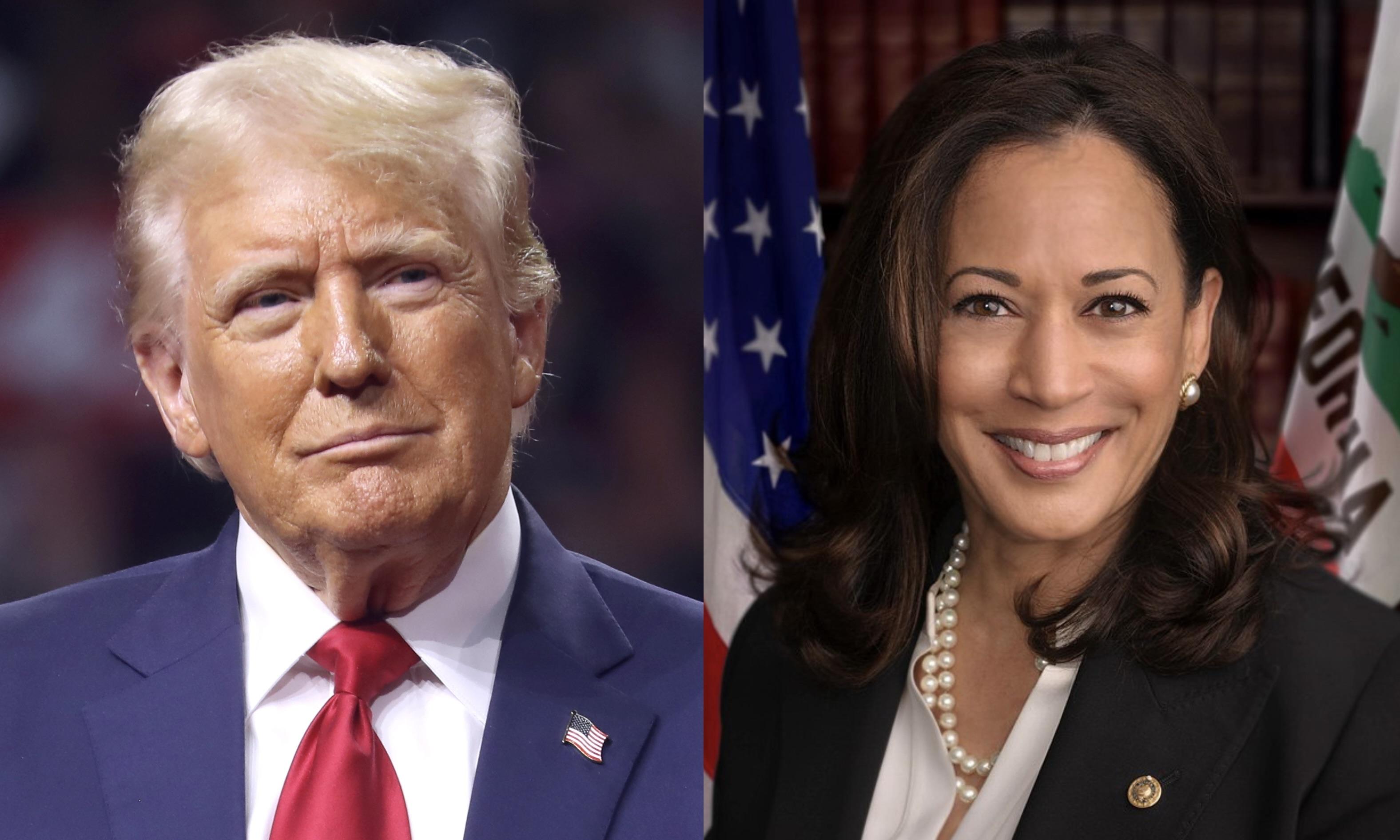
Virginia has announced plans to appeal to the U.S. Supreme Court following a federal appeals court decision that upholds a halt on the state’s efforts to remove suspected non-citizens from its voter rolls. This latest development comes after months of heated legal battles over the state’s voter registration list, with Virginia’s officials contending that their attempts to maintain the accuracy of voter records have been unfairly obstructed by the courts.
The controversy centers around Virginia’s initiative to audit and update its voter rolls, specifically targeting potential non-citizens listed as registered voters. State officials argued that the effort was a necessary measure to safeguard the integrity of elections by preventing individuals without U.S. citizenship from influencing the state’s outcomes. However, the federal appeals court saw it differently, ruling that such a purge could lead to disenfranchisement of legitimate voters.
“Our duty is to ensure that Virginia’s elections are both secure and fair,” said Virginia Attorney General Jason Miyares, who is leading the charge in favor of the purge. “While we respect the court’s decision, we firmly believe the Supreme Court should have the final say. This is about protecting the rights of every citizen while preventing unlawful interference in our electoral process.”
The state’s appeal to the Supreme Court marks an escalation in the ongoing tug-of-war over voter registration laws nationwide. With Virginia at the forefront, the case could have widespread implications, setting a precedent for other states that are also attempting to review their voter registration lists. Virginia’s initial purge plan included cross-referencing data from various federal and state agencies to identify individuals who may not hold citizenship, a method that critics argue is flawed and could mistakenly purge eligible voters.
Opponents of the purge, including several voting rights advocacy groups, have expressed concern that Virginia’s approach could disproportionately impact minority communities. They argue that the risk of mistakenly removing citizens from the rolls far outweighs any potential benefit of catching non-citizens. “There’s no evidence to support that this is a widespread issue,” said Diana Lipscomb of the Virginia Voter Protection Network. “We cannot compromise the rights of voters for the sake of an unproven problem.”
The federal appeals court’s ruling emphasized similar concerns, stating that the methods proposed by Virginia could lead to “irreparable harm” to eligible voters. The court’s opinion cited concerns over data reliability and potential administrative errors that could result in the removal of legitimate citizens from the rolls.
With the 2024 election cycle rapidly approaching, both proponents and critics of Virginia’s push to purge voter rolls are watching closely. The Supreme Court’s response to Virginia’s appeal could shape the rules surrounding voter registration practices across the nation, with significant implications for the balance of access and security in U.S. elections.
As Miyares prepares to take the case to the nation’s highest court, supporters argue that Virginia’s efforts are a necessary step in upholding election integrity. “If the Supreme Court values secure elections, it will allow Virginia to ensure our rolls reflect true, eligible voters,” said an official familiar with the case. The case now awaits the Supreme Court’s review, with Virginia officials hopeful that the court will reverse the lower court’s decision and allow them to proceed with their voter purge.







