


 Venezuela Promises Elections as Delcy Rodriguez Pledges Democratic Transition
  Netanyahu Takes Aim at Mamdani as Israel Election Nears
  Judge Orders Trump to Restore White House Access for CNN, MS NOW and Politico
  US Invites Putin to Miami G20, Opening Door to Trump Summit
  Taiwan Vows to Advance US Arms Sales Ahead of Trump-Xi Meeting
  Russian Missile and Drone Attack on Kyiv Kills Two, Damages Maternity Hospital
  China Tightens Fentanyl Rules Ahead of Trump-Xi Summit
  Trump Board of Peace Unveils $2.45 Billion Gaza Recovery Plan
  Trump Administration Plans Faster FDA Reviews for Smoke-Free Nicotine Products
  Sudan Rejects US Legitimacy Remarks, Defends Sovereignty
  Macron Challenges Trump’s Gaza Peace Claims at UN
  Trump to Press Xi on Release of US Nuclear Expert Held in China
  Lula and Flavio Bolsonaro Tied in Brazil Runoff Poll
  Russian Strikes Kill Eight Across Ukraine as Energy Sites Hit
  Taiwan Thanks US for Support Ahead of Trump-Xi Summit
  Europe Warns Russia Is Escalating Hybrid Attacks Across NATO
  Ghana Says Western Support Growing for Slave Trade Reparations


 Add as a preferred source on Google
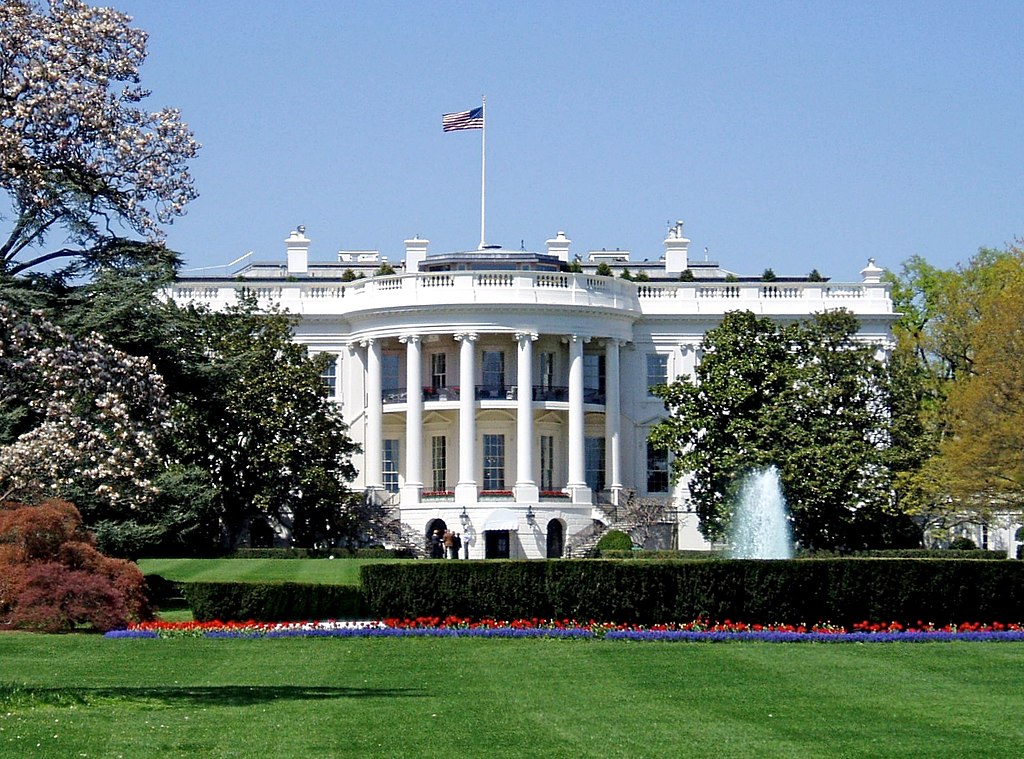
The White House has announced an unprecedented $50 billion loan package for Ukraine, marking one of the most significant financial commitments in U.S. history to aid a foreign nation in crisis. The loan, part of a broader strategy to support Ukraine's defense and economic stability, comes as the country continues to resist Russia’s ongoing invasion.
The announcement was met with mixed reactions, drawing both praise for bolstering a key ally and criticism over the financial burden placed on American taxpayers during challenging economic times. The Biden administration insists the package is a necessary investment in global security and democracy.
A Lifeline for Ukraine's War-Torn Economy
The $50 billion loan will be allocated across multiple sectors to ensure Ukraine’s survival and eventual recovery. A significant portion is earmarked for military support, including advanced weaponry, logistics, and training. Additionally, funds will target rebuilding critical infrastructure, such as roads, hospitals, and power plants, many of which have been destroyed by Russian attacks.
“This loan isn’t just about defense,” said a senior White House official. “It’s about ensuring Ukraine can sustain itself economically and emerge stronger post-conflict.”
The package also includes provisions for agricultural subsidies, aimed at preserving Ukraine’s role as a global breadbasket. This move is expected to stabilize food supply chains impacted by the war, which has disrupted exports of wheat, corn, and sunflower oil.
Mixed Reactions at Home and Abroad
While the White House has framed the loan as essential for defending democracy, critics have raised concerns about its long-term implications. Lawmakers on both sides of the aisle are questioning whether the U.S. should shoulder such a significant financial responsibility, particularly as Americans face inflation and rising living costs.
Online, the debate has been just as heated:
- @JusticeForAll: “$50B for Ukraine? What about our homeless veterans? Prioritize Americans first!”
- @GlobalUnityNow: “Proud to see the U.S. standing up for democracy. This is money well spent!”
- @DebtConscious: “Another loan we’ll never see repaid. How many more billions before enough is enough?”
- @UkraineStrong: “This funding could save lives and rebuild a nation. Stop being selfish, America!”
- @TaxpayerVoice: “Why are we the world’s piggy bank? Europe should step up!”
- @HumanRightsAdvocate: “If we abandon Ukraine, we abandon freedom. This is what leadership looks like.”
Meanwhile, European leaders have expressed gratitude for the U.S.’s continued leadership, but some have faced domestic pressures to increase their contributions to Ukraine’s defense and reconstruction.
The Road Ahead
The White House’s decision underscores the U.S.’s long-term commitment to Ukraine, but the question remains: at what cost? Critics argue the financial burden could strain domestic programs, while supporters claim the loan is a necessary step to curb Russian aggression and stabilize global security. Congress will soon deliberate on the package’s details, a process likely to ignite further partisan debates.







