


 Abbas Reaffirms November 28 Palestinian Elections
  South Korea, US Discuss Warship Building Cooperation
  RBI Uses $10 Billion Currency Swaps to Drain Excess Rupee Liquidity
  Japanese Bank Stocks Surge as Bond Yields Fuel Rate Hike Bets
  Japan Private-Sector Growth Slows as Domestic Demand Weakens
  Ghana Says Western Support Growing for Slave Trade Reparations
  Asian Stocks Fall as Surging Bond Yields Rattle Markets
  Pezeshkian Says US Must Choose When Iran War Ends
  China’s ‘Lipstick King’ Says AI Won’t Replace Livestream Hosts
  Wall Street Ends Flat as Oil, Treasury Yields and Fed Jitters Rattle Markets
  Mexico-US Trade Talks Delayed to October as Tariff Negotiations Continue
  Xi Calls for Deeper U.S.-China AI Cooperation in Trump Talks
  US Backs Musk in Fight Against EU’s €120 Million X Fine
  EU Defence Build-Up Too Slow for 2030 Russia Readiness Goal
  Australia Unemployment Hits Five-Year High Despite Strong Jobs Growth
  Kremlin Says No Decision Yet on Putin-Trump December Summit
  North Korea Warns South Korea Over US-Led Defense Role


 Add as a preferred source on Google
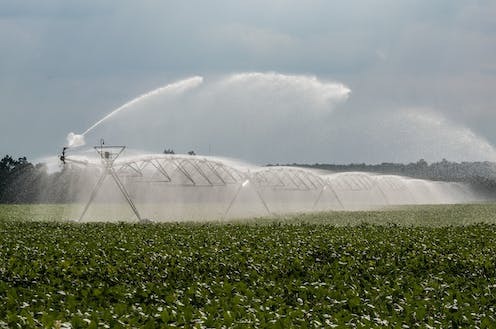
The U.S. Department of Agriculture (USDA) has released new details on a $12 billion farm aid program aimed at supporting American farmers struggling with low crop prices and ongoing trade disputes. While the initiative is expected to provide some financial relief ahead of the next planting season, many soybean growers and agricultural economists say the payments fall far short of covering actual farm losses.
Under the Farmer Bridge Assistance program, approximately $11 billion will be distributed as one-time payments to farmers based on per-acre rates. Producers who planted any of 19 eligible commodity crops will qualify for payments calculated using 2025 planted acres, cost-of-production data, and current market conditions. The USDA said payments are scheduled to be issued by February 28.
U.S. farmers faced a challenging year marked by record corn and soybean harvests amid a global grain surplus. Oversupply pushed crop prices lower, leading to billions of dollars in losses. Soybean farmers were hit especially hard as exports to China declined sharply, with the world’s largest soybean buyer shifting purchases to South American suppliers during prolonged trade tensions.
Payment rates vary significantly by crop. Rice farmers stand to receive the highest compensation at $132.89 per acre, followed by cotton at $117.35 and oats at $81.75 per acre. In comparison, corn growers will receive $44.36 per acre, wheat farmers $39.35, and soybean producers just $30.88 per acre. Sorghum growers are set to receive $48.11 per acre, a figure industry representatives say will provide modest but welcome relief.
Soybean industry leaders argue the assistance is insufficient. The American Soybean Association noted that trade-related losses have left many producers financially strained, raising concerns about farm solvency heading into the next season. Meanwhile, other eligible crops include peanuts, barley, canola, sunflower, lentils, peas, mustard, safflower, flax, chickpeas, and sesame.
President Donald Trump announced the aid package on December 8 in response to pressure from farm groups and lawmakers seeking to help producers cover rising input costs such as seeds and fertilizer. The remaining $1 billion is reserved for specialty crop and sugar farmers, though USDA officials have yet to clarify how or when those funds will be distributed.







