


 Europe Warns Russia Is Escalating Hybrid Attacks Across NATO
  South Korea, US Discuss Warship Building Cooperation
  Gaza Faces Evacuation Crisis as War-Damaged Buildings Risk Collapse
  US Backs Musk in Fight Against EU’s €120 Million X Fine
  Russian Envoy Dmitriev Heads to US for Ukraine Talks
  US Officials Split Over Response to Israeli West Bank Settlements
  North Korea Rejects Nuclear Test Warning, Calls Nuclear Status Irreversible
  Netanyahu Defends Israel at UN as Delegates Stage Walkout
  Mexico-US Trade Talks Delayed to October as Tariff Negotiations Continue
  Kremlin Says No Decision Yet on Putin-Trump December Summit
  Sudan Rejects US Legitimacy Remarks, Defends Sovereignty
  Trump Asks Supreme Court to Restore Third-Country Deportations
  Yemen Violence Displaces 130,000 as Civilian Toll Rises
  NATO Boosts Intelligence Sharing Amid Russia Hybrid Threats
  Trump Administration Plans Faster FDA Reviews for Smoke-Free Nicotine Products
  Trump, Xi Focus on Trade and AI at White House Summit
  France Defends Netanyahu Airspace Clearance Despite ICC Warrant


 Add as a preferred source on Google
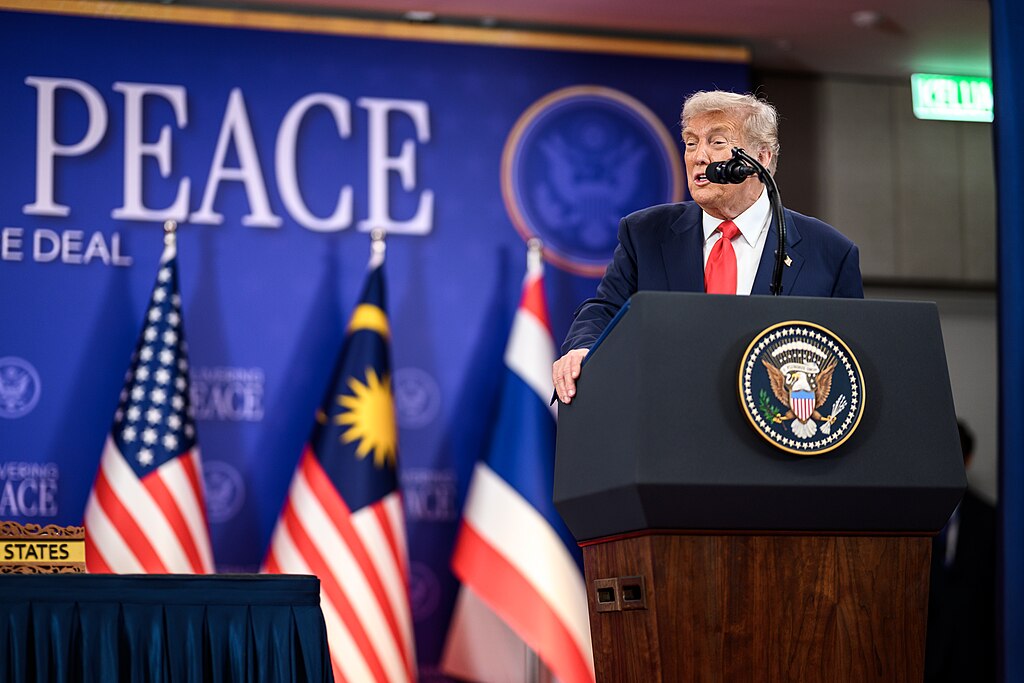
President Donald Trump signaled that he may consider pulling U.S. troops out of Italy and Spain, escalating tensions with key NATO allies. Speaking on Thursday, Trump responded “probably” when asked about the potential withdrawal, just one day after confirming that his administration was reviewing plans to reduce American military presence in Germany.
The remarks come as Trump intensifies criticism of NATO members over their limited involvement in recent military developments involving Iran. He has openly criticized allied nations for failing to deploy naval forces to help secure the Strait of Hormuz, a crucial global shipping route disrupted following a U.S.-Israeli conflict with Iran that began on February 28.
Trump has also raised the possibility of a broader shift in U.S. foreign policy, including reconsidering America’s role within NATO. According to a Reuters report, an internal Pentagon email outlined possible measures to penalize allies that did not support U.S. operations during the Iran conflict. Among the options discussed was suspending Spain from the alliance, highlighting growing friction between Washington and European partners.
Italy and Spain, both vocal critics of the Iran war, are now facing increased scrutiny. Trump questioned their contributions, stating that Italy “has not been of any help” while describing Spain as “absolutely horrible.” His administration previously threatened a full trade embargo against Spain after it refused to allow U.S. forces to use its military bases for Iran-related missions.
As of December 2025, the United States maintained more than 68,000 active-duty personnel across Europe, according to Defense Manpower Data Center figures. Germany hosts the largest share, with approximately 36,400 troops stationed there.
The potential reduction or withdrawal of U.S. forces from Europe could significantly reshape NATO dynamics and global security strategies, raising concerns about alliance unity and future military cooperation.







