


 Trump, Xi Focus on Trade and AI at White House Summit
  Russian Envoy Dmitriev Heads to US for Ukraine Talks
  Oil Prices Jump 3% as Houthi Attack Revives Supply Fears
  Mexico-US Trade Talks Delayed to October as Tariff Negotiations Continue
  Fed Unveils Stablecoin Rules Under GENIUS Act
  Asian Stocks Fall as Surging Bond Yields Rattle Markets
  European Stocks Fall as Bond Yields and Geopolitical Risks Weigh
  Dollar Holds Near Two-Month High as Yen Approaches 160
  US, China Extend Trade Truce to Jan. 10 Ahead of Trump-Xi Summit
  Soybean Futures Slip as Traders Await Trump-Xi Trade Signals
  RBI Uses $10 Billion Currency Swaps to Drain Excess Rupee Liquidity
  U.S. Treasury Yields Surge as 30-Year Hits 22-Year High
  Australia Unemployment Hits Five-Year High Despite Strong Jobs Growth
  Japan Private-Sector Growth Slows as Domestic Demand Weakens
  Asian Currencies Mixed as Dollar Holds Near Two-Month High
  South Korea, US Discuss Warship Building Cooperation
  Fed Unveils Stablecoin Rules Under GENIUS Act


 Add as a preferred source on Google
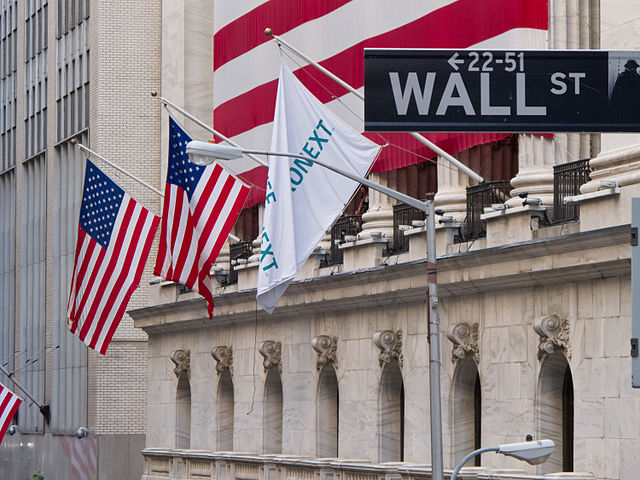
U.S. stock futures edged lower on Sunday evening as investors adopted a cautious stance ahead of a busy week filled with major corporate earnings and crucial economic data. The pullback follows weakness in technology stocks last week, sparked largely by Microsoft’s latest earnings report, which raised fresh questions about the timing and returns of heavy artificial intelligence investments.
S&P 500 futures dipped around 0.2% to 6,955.75 points, while Nasdaq 100 futures slid 0.3% to 25,607.75 points. Dow Jones futures were also modestly lower, down 0.1% at 48,984 points. The softer tone comes after U.S. equities finished last week in negative territory, with the Nasdaq Composite leading declines as investors reassessed optimistic assumptions around AI-driven growth.
Market sentiment weakened after Microsoft reported solid revenue growth but failed to fully convince investors that its massive spending on AI infrastructure will deliver meaningful profits in the near term. The results pressured broader technology shares and reignited concerns that big-ticket AI investments across the sector may take longer to pay off than previously expected. Adding to uncertainty, a recent Wall Street Journal report indicated that Nvidia’s proposed investment of up to $100 billion in OpenAI has stalled due to internal concerns, further weighing on AI-related stocks.
Attention now turns to earnings from other megacap technology companies that could shape near-term market direction. Alphabet, Google’s parent company, is set to report results on Tuesday, with investors closely watching advertising demand, cloud computing performance, and guidance on AI-related capital spending. Amazon will follow on Thursday, with focus on Amazon Web Services growth and profit margins in its core retail operations.
Beyond earnings, political and economic developments are also in focus. President Donald Trump’s nomination of Kevin Warsh as Federal Reserve chair has prompted investors to reassess the future path of interest rates and monetary policy. Later in the week, the U.S. January jobs report is expected to show steady employment growth and a stable unemployment rate, data that could further influence market expectations around rates and inflation.







