


 European Stocks Fall as Bond Yields and Geopolitical Risks Weigh
  China’s ‘Lipstick King’ Says AI Won’t Replace Livestream Hosts
  Asian Stocks Fall as Bond Yields Surge Ahead of Trump-Xi Summit
  U.S. Dollar Hits Two-Month High as Oil, Treasury Yields Surge
  Soybean Futures Slip as Traders Await Trump-Xi Trade Signals
  Asian Stocks Fall as Surging Bond Yields Rattle Markets
  Oil Prices Ease as Iran Tensions Clash With Diplomacy Hopes
  Japan Private-Sector Growth Slows as Domestic Demand Weakens
  US Stock Futures Fall as Treasury Yields Surge Ahead of Trump-Xi Summit
  Japanese Bank Stocks Surge as Bond Yields Fuel Rate Hike Bets
  Dollar Holds Near Two-Month High as Yen Approaches 160
  Fed Unveils Stablecoin Rules Under GENIUS Act
  Russian Envoy Dmitriev Heads to US for Ukraine Talks
  Oil Prices Jump 3% as Houthi Attack Revives Supply Fears
  Gold Prices Fall as Treasury Yields Rise on Fed Rate Hike Bets
  Trump, Xi Focus on Trade and AI at White House Summit
  Mexico-US Trade Talks Delayed to October as Tariff Negotiations Continue


 Add as a preferred source on Google
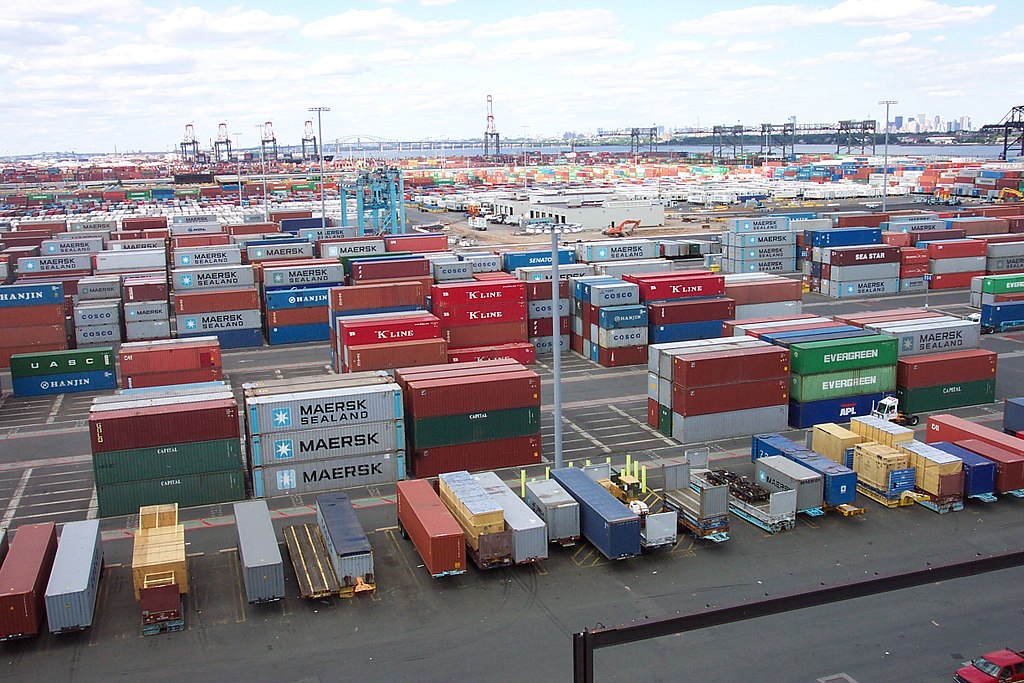
Canada recorded a sharp increase in its monthly international trade deficit in November as merchandise exports fell significantly, highlighting ongoing challenges tied to trade diversification and U.S. tariff uncertainty. According to Statistics Canada, the country posted a goods trade deficit of C$2.2 billion in November, a steep rise from an upwardly revised C$395 million deficit in October.
The widening trade gap was largely driven by a sharp decline in exports, particularly in key sectors such as metals, non-metallic mineral products, and automotive manufacturing. Exports of metals and non-metallic goods dropped 24.4% month over month, led by a substantial fall in shipments of unwrought gold. Major declines were seen in exports of unwrought gold to Britain, the United States, and Hong Kong, while overall export volumes slipped 0.9%.
Motor vehicle and auto parts exports also fell sharply, declining 11.6% in November, marking the largest monthly drop in this category in three years. These losses reflect the ongoing impact of U.S. tariffs on Canadian steel, aluminum, automotive products, and lumber—sectors that form a critical backbone of Canada’s export economy.
Although imports edged lower by just 0.1% to C$66.14 billion, reduced purchases of motor vehicles, parts, and energy products contributed to the slight decline. Imports from the United States dropped 5.4%, while exports to the U.S. fell a more modest 1.8%, allowing Canada’s merchandise trade surplus with its largest trading partner to rise to C$6.6 billion in November from C$5.2 billion in October.
Despite this improvement, exports to the U.S. accounted for just over 68% of Canada’s total shipments, down from 76% a year earlier, underscoring a gradual shift toward trade diversification. Imports from non-U.S. countries surged 7.8%, driven mainly by China and Germany, while exports to countries outside the U.S. fell 4.9%, pushing the non-U.S. trade deficit to C$8.8 billion.
Following the data release, the Canadian dollar strengthened, while two-year government bond yields edged lower. The November trade report was delayed due to a prolonged U.S. government shutdown that disrupted data collection.







