


 Gold Holds Near $4,275 as Rising Treasury Yields Fuel Fed Rate Hike Bets
  Oil Prices Jump 3% as Houthi Attack Revives Supply Fears
  Gold Prices Fall as Treasury Yields Rise on Fed Rate Hike Bets
  US Stock Futures Fall as Treasury Yields Surge Ahead of Trump-Xi Summit
  RBI Uses $10 Billion Currency Swaps to Drain Excess Rupee Liquidity
  Russian Envoy Dmitriev Heads to US for Ukraine Talks
  Australia Unemployment Hits Five-Year High Despite Strong Jobs Growth
  European Stocks Fall as Bond Yields and Geopolitical Risks Weigh
  Dollar Holds Near Two-Month High as Yen Approaches 160
  Soybean Futures Slip as Traders Await Trump-Xi Trade Signals
  Wall Street Falls as Treasury Yields Surge, Oil Rebounds on Iran Tensions
  Fed Unveils Stablecoin Rules Under GENIUS Act
  Asian Stocks Fall as Surging Bond Yields Rattle Markets
  U.S. 10-Year Treasury Yield Hits 2007 High as Fed Rate Hike Bets Rise
  U.S. Treasury Yields Surge as 30-Year Hits 22-Year High
  Oil Prices Surge as U.S.-Iran Diplomacy Hopes Fade
  Japanese Bank Stocks Surge as Bond Yields Fuel Rate Hike Bets


 Add as a preferred source on Google
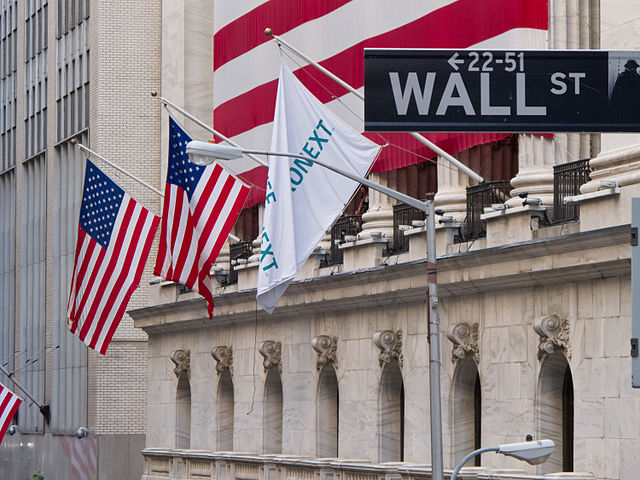
U.S. stock futures moved lower on Monday as renewed geopolitical tensions between the United States and Iran unsettled global markets and raised concerns about the future of a fragile ceasefire expected to expire later this week. As of early trading, Dow Jones futures dropped about 292 points, or 0.6%, while S&P 500 futures declined 0.6% and Nasdaq 100 futures slipped 0.5%, signaling a cautious start to the week on Wall Street.
The pullback follows a strong performance last week, when major U.S. stock indices climbed more than 1% and reached record highs. Investor sentiment had been boosted by reports that the Strait of Hormuz—a vital route for nearly 20% of global oil supply—had reopened after weeks of disruption. Optimism also grew around a potential extension of the U.S.-Iran ceasefire, suggesting the possibility of a longer-term resolution.
However, fresh developments have clouded that outlook. Former President Donald Trump stated that U.S. forces seized an Iranian-flagged cargo vessel accused of breaching sanctions, prompting Tehran to issue threats of retaliation. Iran has also hinted it may withdraw from upcoming negotiations, intensifying uncertainty. Conflicting reports regarding the operational status of the Strait of Hormuz have further added to market volatility, with some data indicating resumed shipping activity while Iranian officials claim renewed closures.
As a result, oil prices surged sharply, reversing last week’s losses. Brent crude rose over 5% to around $95 per barrel, while West Texas Intermediate (WTI) crude gained more than 6%, reflecting heightened supply concerns.
Investors are also closely watching a busy week of corporate earnings reports, including results from major companies such as American Express, Intel, Tesla, and UnitedHealth. Economic data, particularly U.S. business activity figures for April, will also play a key role in shaping market direction.
Market analysts note that ongoing geopolitical risks, combined with key economic indicators and earnings updates, could drive increased volatility across global financial markets in the days ahead.







