


 Ukraine Agrees to Protect Kazakhstan Oil Exports via Black Sea
  US Expects Iran-Oman Hormuz Shipping Deal Soon
  Russian Strikes Kill Six in Eastern and Northern Ukraine, Dozens Injured
  ICE to Complete Nationwide Body Camera Rollout by End of August
  Trump Faces Tough Choices as Iran War Drags On
  Trump Administration Plans $1 Billion Security Aid Package for Colombia
  Bezalel Smotrich Faces Election Battle as Israel’s Far-Right Vote Fractures
  Zelensky Urges Faster NATO Action on Air Defense Missiles
  Senate Majority Leader John Thune Moves to Advance Crypto Clarity Act
  U.S. Unseals Charges Against Five Alleged CJNG Leaders, Raises Reward for New Cartel Chief
  Trump Unveils $3 Billion U.S. Critical Minerals Push
  New Zealand MMP Electoral System Faces Fresh Referendum Debate
  Trump Orders Probe Into Pentagon Munitions Stockpile Leaks After Iran Conflict
  Russian Strikes on Ukraine Kill Six, Wound Dozens in Balakliia and Sumy
  Germany Warns of Daily Hybrid Warfare Threats
  Mark Carney Jokes About Teleprompter, Takes Swipe at Trump
  Taiwan President Lai Oversees Coastal Strike Drills in Han Kuang War Games


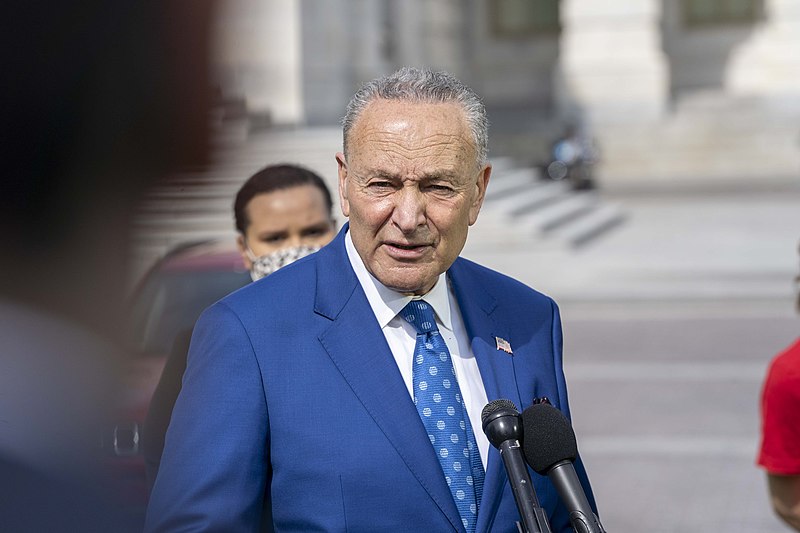
Senate Majority Leader Chuck Schumer said a committee is considering legislation next week that would repeal two authorizations for previous wars in Iraq. The legislation comes as Congress looks to reassert its role in deciding when to deploy troops to combat.
Schumer said on Wednesday that the Senate Foreign Relations Committee, chaired by Democratic Senator Bob Menendez, will take up the legislation to repeal the 1991 and 2002 Authorizations for the Use of Military Force. Schumer said this would clear the way for a possible full vote in the Senate before lawmakers leave for the April recess. A bipartisan group of lawmakers from the Senate and the House introduced the legislation in early February.
“We need to put the Iraq war squarely behind us once and for all, and doing that means we should extinguish the legal authority that initiated the war to begin with,” said Schumer.
Lawmakers in Congress have long argued that the legislative branch has ceded too much authority to the president over whether troops should be deployed into combat in passing, then failing to repeal open-ended war authorizations that presidents over the years have used to justify military action around the world.
The US Constitution cites that Congress, not the president, has the authority to declare war.
However, the chances of the legislation getting passed remain to be seen as members of Congress are also still divided over whether it is beneficial for national security to let the AUMFs remain, which would leave the situation to military commanders to decide how to fight US enemies or insisting that AUMFs pass before the old authorizations end.
On Thursday, a bipartisan group of 12 senators reintroduced the legislation that would make Daylight Savings Time permanent, almost a year after the chamber unanimously voted to end switching clocks. The Senate voted to end the biannual adjustment of clocks under Daylight Savings Time in the US, which was supported by advocates of brighter afternoons and added economic activity.
Despite the legislation’s passage in the Senate, the bill failed to pass the House as lawmakers could not agree on whether to keep the standard time or permanent daylight savings time, according to Democratic Rep. Frank Pallone.







