


 Polymarket Traders Bet on Trump AI Rename to ‘Super Intelligence’
  US Officials See China Taiwan Invasion Before 2028 as Less Likely
  New Zealand Election Raises Policy Uncertainty for Investors
  US Troops Set to Complete Iraq Withdrawal as Iran Influence Grows
  Trump, Tech Leaders Sign ‘Morally Binding’ AI Safety Accord
  Israel Tightens Pilot Security After Flydubai Incident
  CNN, Politico and MS NOW Seek Court Order Blocking Trump White House Ban
  Trump Praises Boeing 737 Max After Flydubai Crash Attempt
  California Leads Lawsuit Over Trump’s $810 Million Funding Cuts
  Trump Demands Powell Resign Over Fed Renovation Cost Overruns
  UN Condemns Myanmar Airstrike That Kills 50 in Rakhine
  TSA Removes Chairs for Airport ID Check Officers
  US Alcohol Ban Exposes Canada’s Internal Trade Barriers
  Pentagon Launches Autonomous Warfare Command
  Trump Eyes $54 Billion South Korean Investment in Alaska LNG
  Russia Warns NATO of Nuclear Response Over Kaliningrad
  UN Extends Haiti Security Force Mandate Ahead of Elections


 Add as a preferred source on Google
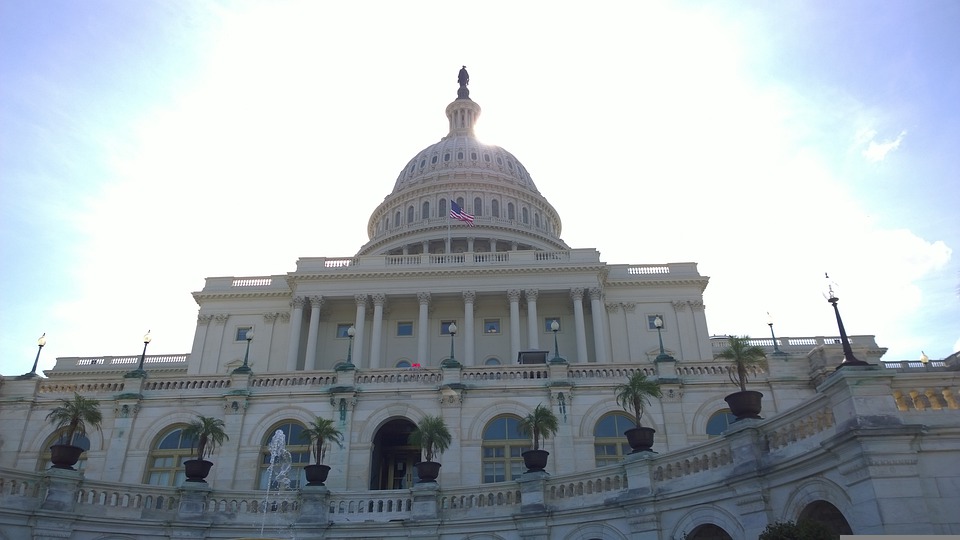
The United States Senate this week ratified an amendment to the Montreal Protocol that would phase out the use of greenhouse gases contributing to global warming. The chamber ratified the Kigali Amendment that would end the use of hydrofluorocarbons.
The US Senate ratified the Kigali Amendment to the 1987 Montreal Protocol Wednesday in a 69-27 vote. The amendment pledged to end the use of hydrofluorocarbons or HFCs commonly used in heating, ventilation, refrigeration, and air conditioning.
Ratification of such an amendment requires a two-thirds majority in the Senate, and over 20 Republicans joined the Democrats in voting for its ratification.
President Joe Biden praised the vote after calling for its ratification last month and said Washington “is back at the table leading the fight against climate change.”
“Ratifying the Kigali Amendment will allow us to lead the clean technology markets of the future, by innovating and manufacturing those technologies here in America,” said Biden in a statement. “Ratification will spur the growth of manufacturing jobs, strengthen US competitiveness, and advance the global effort to combat the climate crisis.”
The Montreal Agreement pushed to end the use of substances that would cause damage to the planet’s ozone layer and went through several amendments to implement strict environmental regulations.
The Kigali Amendment, named after the capital of Rwanda, where it was finalized, was adopted in 2016. At the time, President Barack Obama backed the measure in the last weeks of his presidency.
However, Obama’s immediate successor Donald Trump, who withdrew the US from the Paris Climate Agreement, did not submit the treaty to the Senate for approval.
Meanwhile, the Biden administration has imposed sanctions on Iran’s Morality Police over the alleged abuses and the violence against Iranian women and protesters.
The sanctions follow public outrage over the death of 22-year-old Mahsa Amini in the custody of the Morality Police last week. Amini was detained by the Morality Police on charges of “unsuitable attire.”
The Treasury Department issued the sanctions Thursday, including several leaders of Iranian security organizations that “routinely” used violence to silence peaceful protesters and members of civil society, including “political dissidents, women’s rights activists, and members of the Iranian Baha’i Community.”







