


 Honduras Court Drops Charges Against Ex-President Juan Orlando Hernandez
  Najib Razak Seeks Stay of 15-Year 1MDB Prison Sentence
  Paramount Skydance Faces $30 Million Film Penalty in Warner Bros. Deal
  Pezeshkian Says US Must Choose When Iran War Ends
  France Defends Netanyahu Airspace Clearance Despite ICC Warrant
  North Korea Rejects Nuclear Test Warning, Calls Nuclear Status Irreversible
  Abbas Reaffirms November 28 Palestinian Elections
  Kremlin Says No Decision Yet on Putin-Trump December Summit
  Rodrigo Duterte Makes First Public Appearance at ICC in 18 Months
  LVMH-Hermès Dispute Deepens Over Secret 2002 Share Deal
  Judge Orders Trump to Restore White House Access for CNN, MS NOW and Politico
  Trump Asks Supreme Court to Restore Third-Country Deportations
  Ghana Says Western Support Growing for Slave Trade Reparations
  Mexico-US Trade Talks Delayed to October as Tariff Negotiations Continue
  Maduro Seeks Dismissal of US Drug Trafficking Charges
  DOJ Will Investigate AI-Related Crimes, Attorney General Blanche Says
  CNN, MS NOW and Politico Sue Trump Over White House Media Ban


 Add as a preferred source on Google
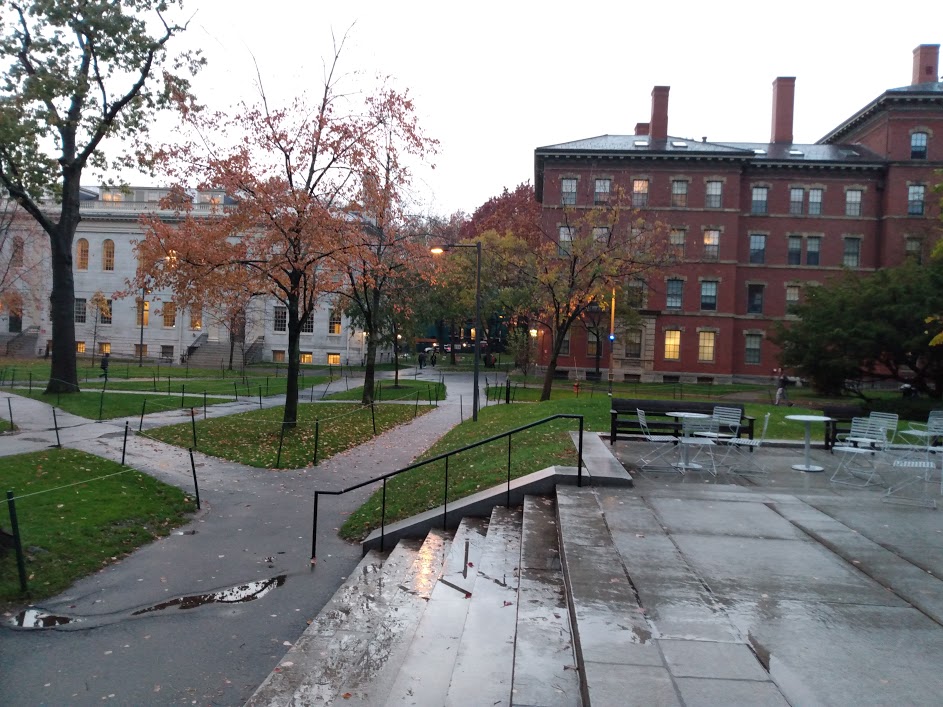
A U.S. federal judge has temporarily halted the Trump administration’s move to revoke Harvard University’s ability to enroll international students. The decision provides short-term relief to over 7,000 visa holders, as Harvard argued the policy was an unconstitutional retaliation against its academic independence.
Filed in Boston, Harvard’s lawsuit contended the government’s move violated the First Amendment and threatened the integrity of its academic programs, clinics, and research labs. The university emphasized the critical role of foreign students, who make up 27% of its student body, stating, “Without its international students, Harvard is not Harvard.”
This court battle is part of escalating tensions between elite universities and the Trump administration, which accuses institutions like Harvard of left-leaning bias. Trump’s team has proposed revoking Harvard’s tax-exempt status, increasing endowment taxes, and investigating potential civil rights violations. In contrast, Columbia University, under similar pressure, agreed to modify disciplinary processes and review Middle East-related courses after a $400 million funding cut.
Homeland Security Secretary Kristi Noem recently cited unproven claims of antisemitism and ties to the Chinese Communist Party in announcing the revocation of Harvard’s Student and Exchange Visitor Program certification. About 20% of Harvard’s foreign students are from China, prompting bipartisan concern over foreign influence on U.S. campuses.
Harvard President Alan Garber condemned the policy as a politically motivated attack on university autonomy. The judge scheduled further hearings for May 27 and 29. The case may still proceed to appeal.
The outcome could significantly impact Harvard’s finances, as international students often pay full tuition. Notable enrollees include Canadian Prime Minister Mark Carney’s daughter and Belgian Princess Elisabeth.
This legal clash underscores growing tensions over immigration, education policy, and institutional independence in the U.S. under Trump’s administration.







