


 Rodrigo Duterte Makes First Public Appearance at ICC in 18 Months
  Trump Sets High-Stakes UN Meetings With Zelenskiy, Gulf Leaders
  Denmark Says Greenland Sovereignty Protected in US Military Deal
  Russian Drone Attacks Kill Four in Kyiv Region, Including Three Children
  Carney Condemns Belleville Synagogue Shooting That Wounded Police Officer
  Paramount-Warner Bros $110 Billion Deal Draws Antitrust Backlash
  Michelle Bachelet Withdraws From UN Secretary-General Race
  CNN, MS NOW and Politico Sue Trump Over White House Media Ban
  Macron, Trump Discuss Ukraine-Russia Energy Strike Moratorium
  Judge Rejects Minnesota Bid to Force ICE Agent Extradition
  Judge Blocks Trump Rule Limiting Foreign Student Visas
  Diana’s Brother Backs Security for Harry and Meghan
  FDA Weighs Safety Standards for Psychedelic Therapies
  Mahmoud Khalil Sues Columbia Over Alleged Pro-Palestinian Harassment
  Nvidia-Groq AI Chip Deal Faces U.S. Antitrust Probe
  Amazon Shares Fall as FTC Plans Ad Pricing Lawsuit
  Trump, Iran Trade Threats as Middle East Tensions Escalate


 Add as a preferred source on Google
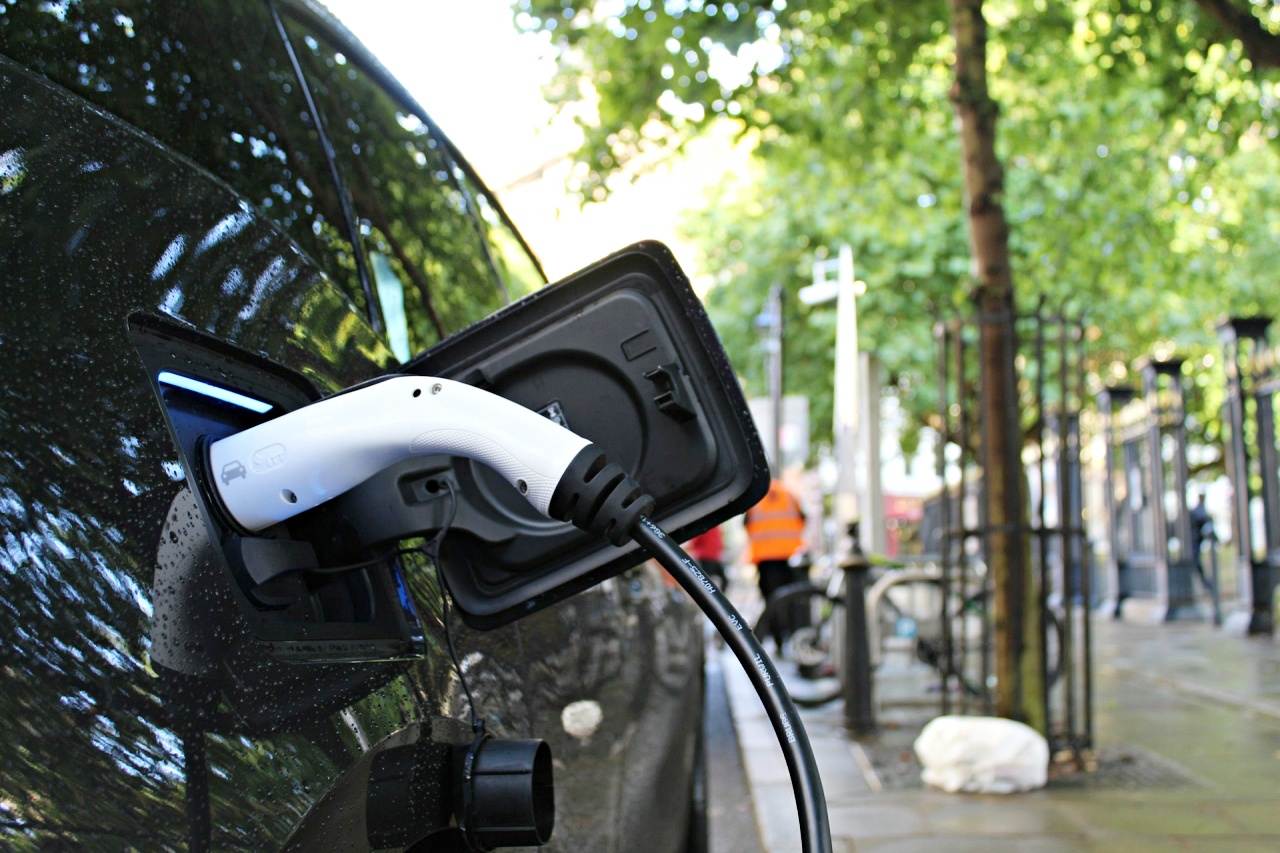
A federal judge on Friday ruled that the Trump administration unlawfully suspended congressionally approved funding for the expansion of electric vehicle charging infrastructure, delivering a major legal victory to 20 Democratic-led states that challenged the move. The decision reinforces the authority of Congress over federal spending and underscores the ongoing legal and political battles surrounding U.S. electric vehicle policy.
U.S. District Judge Tana Lin, based in Seattle, found that the U.S. Department of Transportation violated federal law in February when it abruptly paused the electric vehicle charger program. The program was created under the 2021 infrastructure law signed by former President Joe Biden and was designed to accelerate the nationwide rollout of EV charging stations, particularly along highways and in underserved communities.
According to the ruling, the Department of Transportation lacked the legal authority to suspend funding that Congress had already appropriated for the program. Judge Lin emphasized that executive agencies cannot unilaterally override congressional mandates, especially when the law clearly outlines how funds are to be distributed and used. The court noted that the sudden funding freeze created uncertainty for states that had already begun planning and investing in EV infrastructure projects.
The lawsuit was filed by a coalition of 20 states after the Trump administration moved to halt the program as part of a broader effort to roll back climate and clean energy initiatives. The states argued that the suspension would delay critical infrastructure projects, undermine climate goals, and harm economic development tied to clean energy investments. Judge Lin agreed that the states would suffer irreparable harm if the funding suspension were allowed to continue.
Electric vehicle charging infrastructure is widely seen as essential to increasing EV adoption, reducing greenhouse gas emissions, and supporting the transition to cleaner transportation. The ruling is expected to allow funding to resume, enabling states to move forward with stalled projects and long-term planning.
The decision marks a significant moment in the broader debate over federal climate policy, executive power, and the future of electric vehicles in the United States, and it may influence similar legal challenges related to infrastructure and environmental programs.







