


 Trump Administration Plans Deportation of Iranian Migrants to Central African Republic Under New Third-Country Deal
  Taiwan Launches Five-Day Combat Readiness Drill Amid Rising China Military Activity
  Cait Conley Wins Democratic Nomination, Sets Up Key House Battle Against Mike Lawler in New York
  U.S. Eases Iran Team Travel Restrictions Ahead of Seattle World Cup Match
  Trump Revises U.S. Tariffs on Copper, Aluminum, and Steel Imports Through 2027
  Peru Election Dispute Deepens as Roberto Sanchez Rejects Runoff Results
  Venezuela Deploys Troops to Crack Down on Illegal Gold Mining Amid Push for Foreign Investment
  U.S. Launches Trade Investigation Into Germany’s Pharmaceutical Cost-Cutting Plans
  US Appeals Court Allows Trump Military Enlistment Ban on Transgender Recruits, Protects Current Service Members
  SEC Tokenized Stock Approval Still Expected as Regulatory Framework Advances
  Bessent Says U.S. Must Strengthen Supply Chains and Economic Security
  US Delivers $13M Autonomous Maritime Drones to Philippines
  Rubio Faces Gulf Skepticism Over U.S.-Iran Peace Deal
  Russia Signals Frustration Over Unfulfilled U.S. Commitments After Alaska Summit
  Trump Forced Labour Tariff Plan Faces Criticism as Experts Question Effectiveness
  How Donald Trump has changed the way diplomacy is done


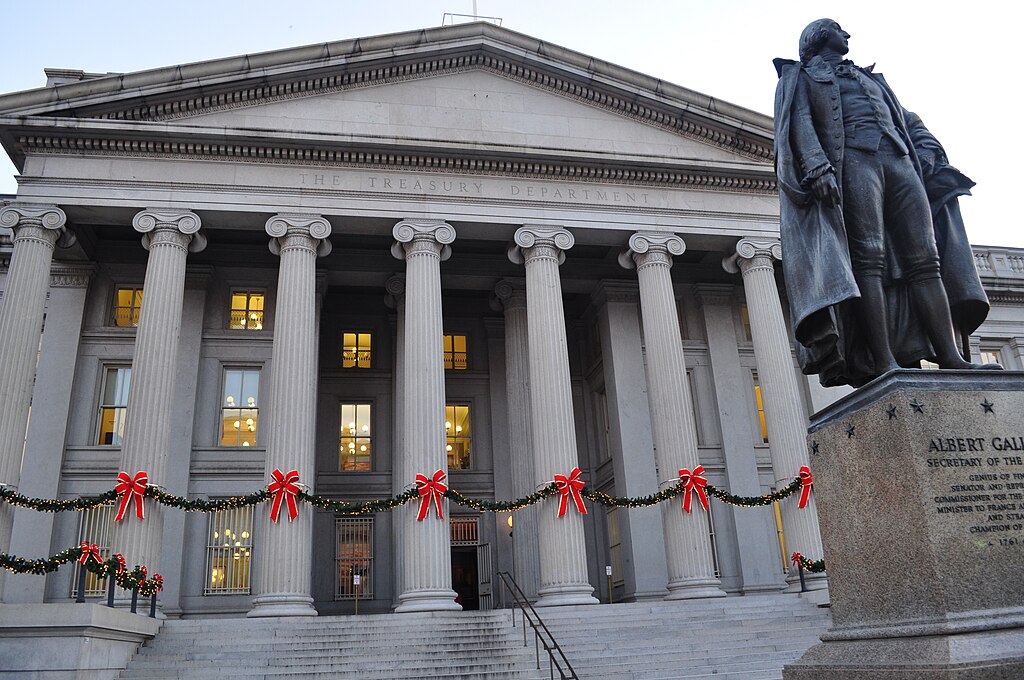
The U.S. Treasury Department has announced new sanctions on over 115 Iran-linked individuals, entities, and vessels, intensifying Washington’s “maximum pressure” campaign following June’s bombing of Tehran’s key nuclear sites. Officials described the action as the most significant Iran-related sanctions move since 2018 under President Donald Trump’s first term.
The measures primarily target the shipping empire of Mohammad Hossein Shamkhani, son of Ali Shamkhani, a senior adviser to Supreme Leader Ayatollah Ali Khamenei. According to Treasury, Shamkhani oversees a vast fleet of container ships and tankers used to sell Iranian and Russian oil worldwide, generating billions in revenue to support Iran’s regime.
In total, 15 shipping firms, 52 vessels, 12 individuals, and 53 entities across 17 countries—including Panama, Italy, and Hong Kong—were sanctioned for sanctions evasion activities. U.S. officials said the move will make it harder for Iran to export oil but is not expected to disrupt global markets. Iran’s oil exports have already fallen from 1.8 million to 1.2 million barrels per day this year.
Iran’s foreign ministry condemned the sanctions as “hostility” toward the Iranian people. The European Union sanctioned Shamkhani earlier in July over his role in Russia’s oil trade.
The announcement comes as U.S.-Iran diplomatic prospects remain bleak after recent airstrikes. Trump has warned of further attacks if Tehran attempts to revive bombed nuclear facilities, calling Iran’s signals “nasty.” While Washington remains open to dialogue, European and Iranian officials see little chance of renewed talks.
The sanctions underscore escalating tensions between Washington and Tehran, as the U.S. seeks to curb Iran’s oil trade and nuclear ambitions amid growing international scrutiny.







