


 Yemen Violence Displaces 130,000 as Civilian Toll Rises
  Saudi Arabia, Turkey and Pakistan Plan Urgent Defence Talks Over Houthi Attacks
  Trump, Xi Visit US National Archives After White House Summit
  North Korea Warns South Korea Over US-Led Defense Role
  US Supreme Court Revives Trump Administration Voter Citizenship Database
  Xi Calls for Deeper U.S.-China AI Cooperation in Trump Talks
  US Comfortable With Canada Trade Standoff as Import Bans Loom
  What ‘Taiwan Independence’ Means as Xi Presses Trump on US Policy
  Pezeshkian Says US Must Choose When Iran War Ends
  NATO Boosts Intelligence Sharing Amid Russia Hybrid Threats
  Trump Warns China Against Supporting Iran in Xi Talks
  North Korea Rejects Nuclear Test Warning, Calls Nuclear Status Irreversible
  Trump Asks Supreme Court to Restore Third-Country Deportations
  Pope Leo Warns UN, Multilateral Groups Face Crisis
  Abbas Reaffirms November 28 Palestinian Elections
  Ukrainian Drone Attacks Hit Russian Regions, Injuring at Least 12
  EU Agrees €6.6 Billion Military Aid Funding for Ukraine


 Add as a preferred source on Google
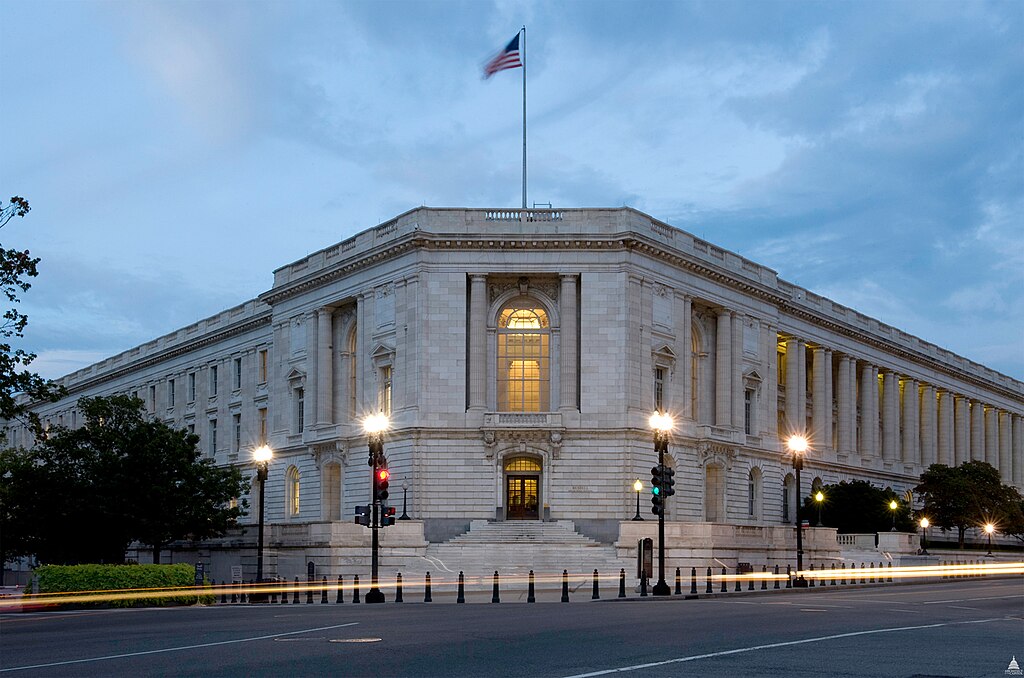
The risk of a U.S. government shutdown grew Friday as the Senate rejected a short-term spending bill aimed at keeping federal agencies funded beyond September 30. Lawmakers voted 44-48 against the stopgap measure, which would have extended current funding levels through November 21. The bill faced overwhelming opposition from Democrats, who pushed for more healthcare funding, particularly for Medicaid and Affordable Care Act subsidies.
Republicans argued that Democrats were raising the chances of a shutdown, with Senate Majority Leader John Thune warning that the final decision will be “an up or down vote” on whether to keep the government open. The bill had previously passed the House of Representatives by a narrow 217-212 vote, but Senate Democrats stood firm. Senate Democratic leader Chuck Schumer accused Republicans of deliberately steering toward a shutdown after House leaders announced they would not return until after October 1.
Only 43 Republicans and one Democrat, John Fetterman, voted in favor of the measure, far short of the 60 votes needed to advance. Two Republicans, Lisa Murkowski and Rand Paul, joined Democrats and independents in opposition, while eight GOP senators were absent. A separate Democratic-led effort to restore Medicaid funding failed 47-45.
The funding standoff covers roughly one-quarter of the $7 trillion federal budget, excluding mandatory programs like Social Security, Medicare, and payments on the $37.5 trillion national debt. Without action, federal workers could face unpaid furloughs and critical services could be disrupted.
The stopgap bill also included $88 million for security protections following the assassination of conservative activist Charlie Kirk. With senators set to return on September 29—just one day before the deadline—negotiations remain tense, leaving the possibility of a government shutdown looming large.







