


 Pelosi Discloses Major Intel and Uber Call Option Purchases Worth Up to $6 Million
  Marco Rubio Reassures Gulf Allies Over U.S.-Iran Peace Deal
  US Approves $250 Million Fighter Jet Training Sale to Australia
  Trump Orders DOJ Investigation Into Exxon, Chevron Over High Gas Prices
  Japan Signals Preference for Low Interest Rates as BOJ Policy Debate Intensifies
  US Mobilizes Aid After Powerful Earthquakes Devastate Venezuela
  US Senate Approves War Powers Resolution Urging Trump to End Iran Military Action
  Trump Administration Rejects Claims of Rift Between JD Vance and Marco Rubio on Iran Policy
  US Seizes Nearly 400 Illegal World Cup Streaming Domains in Global Anti-Piracy Crackdown
  Iran Strait of Hormuz Tensions Rise After Ship Attack Delays IMO Escort Mission
  US Seeks Gulf Support for Iran Peace Deal Amid Regional Tensions
  Iran Attack in Strait of Hormuz Pushes Oil Prices Higher
  Iran Revolutionary Guards Claim Strike on U.S. Military Positions After Fresh U.S. Attack
  Trump Threatens 100% Tariffs on Countries Imposing Digital Services Taxes on U.S. Tech Firms
  Republican Lawmaker Introduces AI Incident Reporting Bill to Strengthen U.S. AI Safety
  ICC Judges Sue Trump Administration Over Sanctions, Calling Measures Unlawful
  NATO Chief Tries to Ease Trump Alliance Dispute


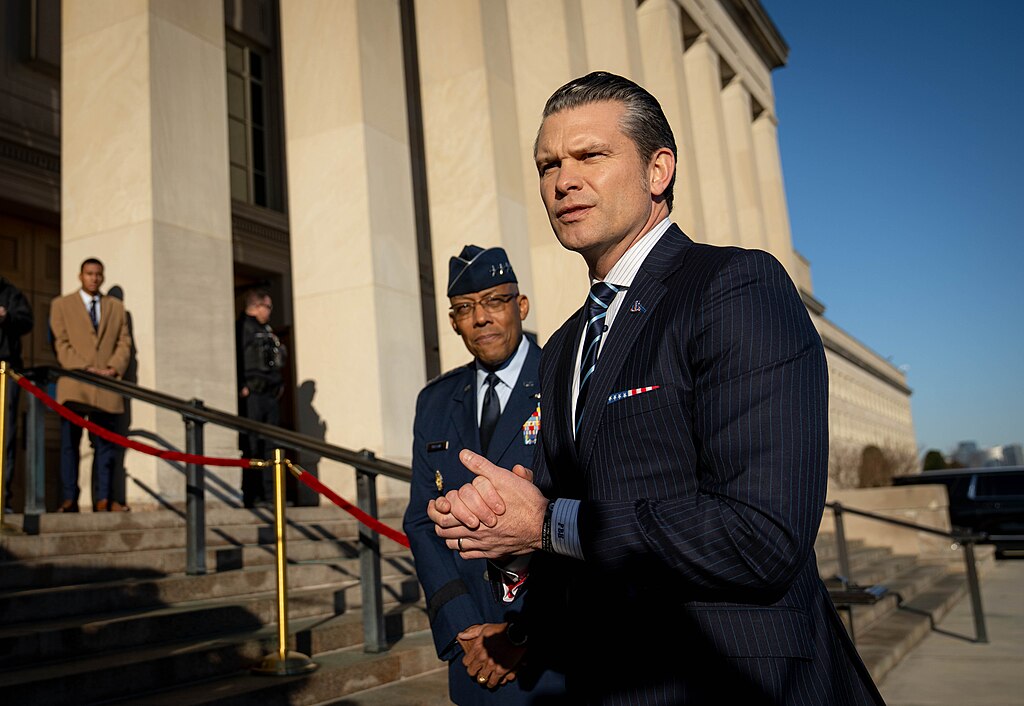
U.S. Defense Secretary Pete Hegseth has officially disbanded the Defense Advisory Committee on Women in the Services, a panel established in 1951 to advise on policies affecting women in the military. The committee historically focused on recruitment, retention, integration, well-being, and treatment of women serving in the armed forces. Over the decades, it submitted more than 1,100 recommendations to Pentagon leadership, with nearly 94% fully or partially implemented, shaping significant policy changes for female service members.
Hegseth, however, argued that the committee had shifted toward what he described as a “divisive feminist agenda” that undermined military combat readiness. A Pentagon spokesperson confirmed his decision, stating that the defense secretary’s current priorities center on “uniform, sex-neutral standards” across all branches of the Department of Defense rather than gender-specific initiatives. The move effectively ends the work of one of the oldest advisory bodies in the U.S. military.
The disbandment follows a series of actions by Hegseth targeting diversity, equity, and inclusion programs since assuming his post. Earlier, he canceled a congressionally mandated initiative, signed into law in 2017 by then-President Donald Trump, which aimed to expand the participation of women in national security leadership roles. He has also ended Pentagon recognition of identity month commemorations, including Black History Month, and overseen the removal of several books—such as Maya Angelou’s memoir—from the Naval Academy curriculum.
Critics argue that eliminating the committee reverses decades of progress in supporting women in uniform and risks sidelining issues that directly impact military readiness, such as retention and treatment of female personnel. At the same time, U.S. media organizations have expressed concern about new Pentagon rules restricting coverage of military affairs, raising broader questions about transparency and free speech under Hegseth’s leadership.







