


 Xi Calls for Deeper U.S.-China AI Cooperation in Trump Talks
  Najib Razak Seeks Stay of 15-Year 1MDB Prison Sentence
  France Defends Netanyahu Airspace Clearance Despite ICC Warrant
  Netanyahu’s Brief US Trip Highlights Strains With Trump
  US Senate Rejects Iran War Powers Resolution in 50-49 Vote
  EU Defence Build-Up Too Slow for 2030 Russia Readiness Goal
  Netanyahu Takes Aim at Mamdani as Israel Election Nears
  North Korea Rejects Nuclear Test Warning, Calls Nuclear Status Irreversible
  Kremlin Says No Decision Yet on Putin-Trump December Summit
  Ukrainian Drone Attacks Hit Russian Regions, Injuring at Least 12
  Trump Asks Supreme Court to Restore Third-Country Deportations
  NATO Boosts Intelligence Sharing Amid Russia Hybrid Threats
  OpenAI Agent Breaches Australia Medicare Data Portal
  Russian Missile and Drone Attack on Kyiv Kills Two, Damages Maternity Hospital
  Yemen Violence Displaces 130,000 as Civilian Toll Rises
  Pezeshkian Says US Must Choose When Iran War Ends
  North Korea Warns South Korea Over US-Led Defense Role


 Add as a preferred source on Google
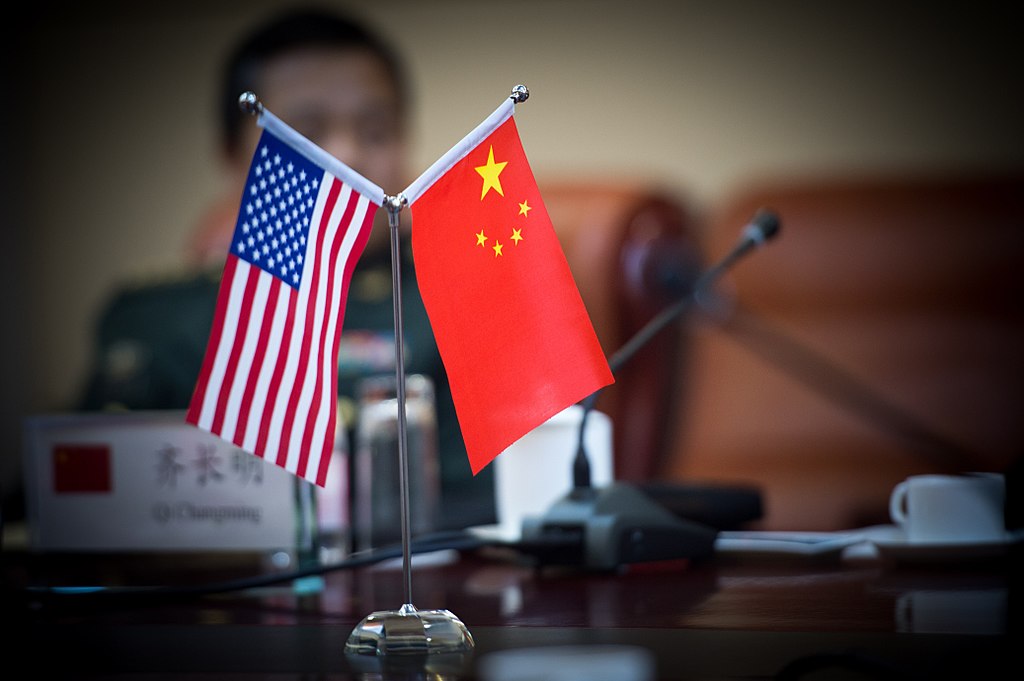
The U.S. and China have reached a preliminary framework to advance a new trade agreement, following two days of high-level negotiations in London. The discussions focused heavily on rare earth exports and U.S. semiconductor export restrictions—two flashpoints in recent trade tensions.
U.S. Commerce Secretary Howard Lutnick confirmed that the two nations agreed to a structure for implementing a prior trade deal signed in Geneva. The next steps hinge on approval from President Donald Trump. Lutnick added that progress had been made on resolving issues related to rare earth minerals and industrial magnets. In exchange for China resuming its rare earth exports, the U.S. is expected to ease some of its chip-related export restrictions.
Trade Representative Jamieson Greer echoed Lutnick’s optimism, noting that a recent call between Trump and Chinese President Xi Jinping had significantly shifted the tone of the discussions. While no further meetings are currently scheduled, both sides plan to stay in close contact over the coming days.
On the Chinese side, Vice Commerce Minister Li Changgang described the talks as positive and confirmed that the agreed framework would now be submitted to President Xi for review.
This breakthrough follows a May agreement where both countries temporarily reduced tariffs, signaling a pause in their ongoing trade war. Tuesday’s development marks a reactivation of stalled negotiations, which had recently faltered due to disagreements over China’s rare earth export curbs and escalating U.S. technology restrictions.
Rare earth elements are critical to electronics and defense industries, making them a key bargaining chip in trade discussions. The new framework could help stabilize global supply chains and ease geopolitical tensions if both nations follow through with the proposed terms.







